Iran-Israel12 January, 20262 min read
Trump Threatens Military Strikes On Iran, Says Meeting With Tehran Is ‘Being Set Up’
Trump said U.S. is considering "very strong" military options, including possible strikes on Iran Iranian leaders contacted the U.S., and a meeting is being arranged to negotiate
45 outlets told this the same way.
Outlets did split on U.S. Intercepts Iran Message Activating Sleeper Cells After U.S.-Israel Strike Kills Khamenei →
U.S.-Iran outreach and response
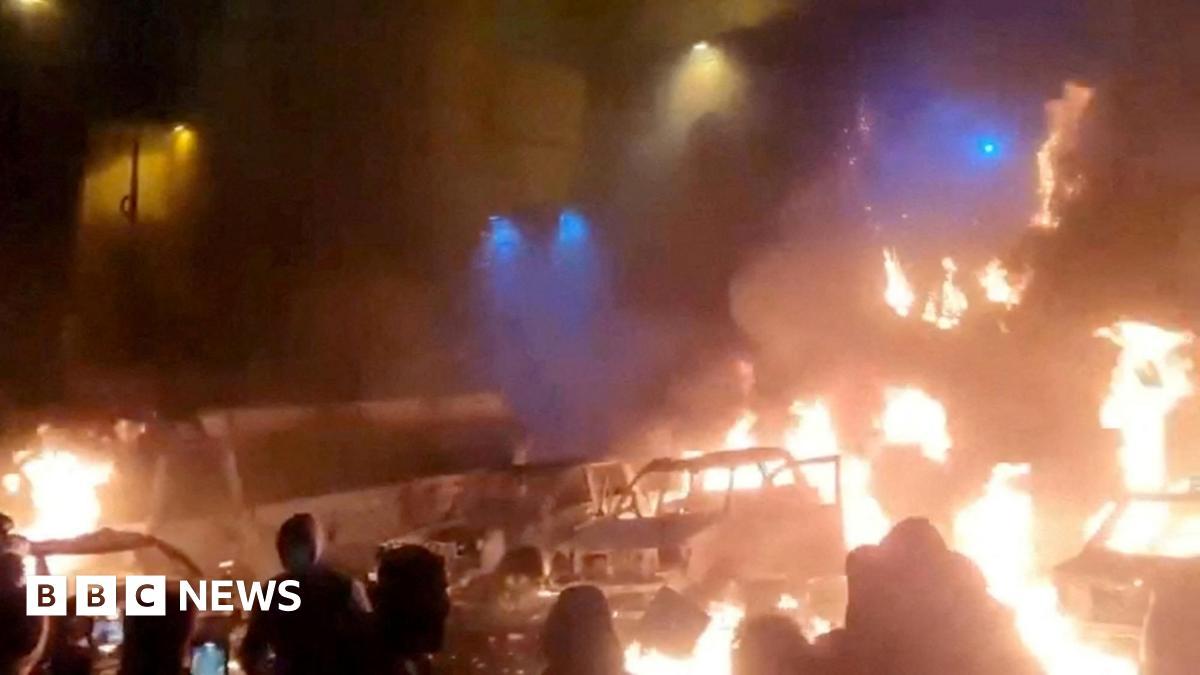
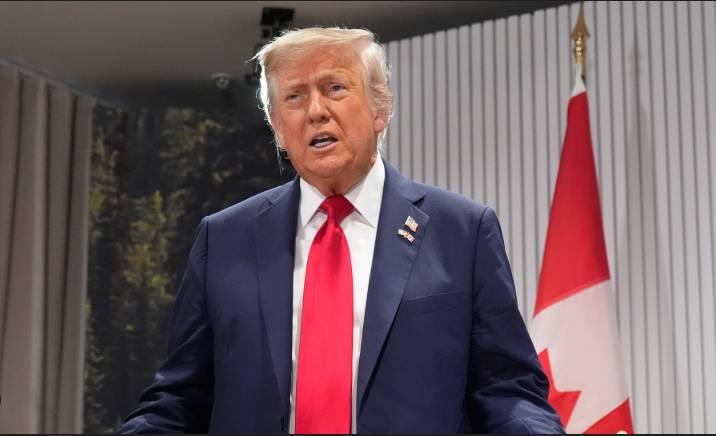
President Donald Trump said Iranian leaders had contacted the United States to negotiate and that a meeting was being set up. He warned Washington might act before any talks take place as the U.S. military reviews 'very strong' or 'some very strong' options to respond to Tehran’s violent crackdown on nationwide protests.
Multiple outlets reported Trump was receiving frequent briefings and described the outreach as a sign of Iranian weakness while he refused to specify precise targets or a red line. The comments came amid reports of lethal repression of demonstrations that began in late December and spread nationwide amid internet shutdowns and severe limits on independent verification.
U.S. options on Iran
U.S. media and several international outlets report that contingencies under consideration range beyond sanctions to covert cyberattacks and targeted strikes. Some reports specifically cite the Wall Street Journal and unnamed officials saying options could include bombings and other kinetic measures. Separately, multiple outlets noted the administration was discussing non-kinetic support for protesters, including efforts to restore internet access.
Trump said he would speak to Elon Musk about Starlink. Tehran had imposed wide communications blackouts.

Conflicting casualty reports
Casualty counts and human-rights reports vary widely across sources: U.S.-based HRANA and activist groups are quoted by multiple outlets reporting death tolls in the hundreds (figures such as 538, 544, or roughly 500), while Norway-based Iran Human Rights lists a lower confirmed toll (for example, at least 192), and the Hengaw group gives a much smaller confirmed figure in one account.
Nearly every source cautions that internet blackouts and restricted access make independent verification difficult.
Iranian response and escalation risk
Iran’s parliament speaker Mohammad Baqer Qalibaf warned that if Iran is attacked, Israel and all U.S. bases and ships would be legitimate targets. State media and officials organized pro-government rallies and portrayed demonstrators as terrorists or as agents of foreign enemies.
Several sources say Tehran dismissed U.S. threats and called for nationwide demonstrations denouncing perceived foreign interference. Those actions and rhetoric underscore the risk of escalation if the U.S. pursues strikes or cyber operations.

Global reactions to Iran unrest
Internationally, governments and analysts reacted with caution. U.N. and Western officials urged restraint and called for verification of casualty claims. U.S. political figures and some media urged firm pressure on Tehran.
“U.N. Secretary‑General António Guterres expressed shock and urged restraint.”
Reports say the White House planned senior meetings to weigh options. Officials were balancing the political risks of engaging Tehran, including arguments that diplomacy could be seen as legitimizing the regime. They weighed those risks against pressure measures that might directly hinder Iran’s ability to suppress dissent.