
Trump Threatens Tehran as JD Vance Meets Mohammad Bagher Qalibaf in Switzerland Talks
Key Takeaways
- Trump threatened to restart strikes on Iran, threatening Strait of Hormuz closure.
- Iranian negotiators suspended talks in protest over Trump's threats.
- Vance leads U.S. delegation; Bagher Qalibaf chairs Iran's delegation.
Talks in Switzerland
Direct U.S.-Iran talks on an interim deal to end the war began in Switzerland as Vice President JD Vance met Iran’s parliamentary speaker Mohammad Bagher Qalibaf and Foreign Minister Abbas Araghchi, with Pakistan and Qatar mediating.
“Talks between the US and Iran are under way in Switzerland, even as fissures emerge over President Donald Trump’s threats and Israel’s refusal to cease hostilities in Lebanon”
The talks opened in a tense atmosphere after President Donald Trump threatened to attack and told Iran’s president to watch what he says, while Iran’s lead negotiator Mohammad Bagher Qalibaf responded on X that “Our armed forces are prepared to respond to them in a different manner.”

Al Jazeera’s Osama Bin Javaid described the negotiations as “high drama in one of the world’s highest-stakes diplomatic exercises,” with the Lebanon issue framed as existential for Iran.
The U.S. and Iran also clashed over the Strait of Hormuz, with Iran’s Islamic Revolutionary Guard Corps saying Saturday it was closing the strait again in response to Israeli attacks in Lebanon, while the U.S. military said commercial vessels continued to operate.
The interim agreement signed last week immediately allows Tehran to sell its oil freely and paves the way for Iran to tap into billions of dollars in assets that are currently frozen, while the sides aim to reach technical details in a 60-day sprint.
Threats, walkout, and Lebanon
Trump’s threats from afar continued to shape the talks as he wrote on social media that “Iran must immediately stop their highly paid PROXIES in Lebanon from causing trouble,” and warned that “we’ll hit Iran very hard again, just like we did last week, only harder!!!”.
In response, Iran’s chief negotiator Mohammad Bagher Ghalibaf posted on X that “We do not take American threats into account at all,” and Iran’s delegation later left the negotiating site after the “publication of an insulting message by the U.S. President.”

The Guardian reported that Iranian negotiators left high-stakes talks with the U.S. in Switzerland in protest, while mediators Qatar and Pakistan continued negotiations in the background.
Al Jazeera said the biggest impediment to the process remains Israel, because the Lebanon issue is “existential for Iran,” as fissures emerged over Trump’s threats and Israel’s refusal to cease hostilities in Lebanon.
The talks were also tested by Israel’s stance in the Lebanon security zone, with Netanyahu vowing to keep forces in southern Lebanon “for as long as necessary to protect our people,” even as Hezbollah refused to halt attacks unless Israel commits to withdrawing.
What’s at stake next
Negotiators framed the next steps around technical details that hold “massive implications for the world economy and global security,” including how to keep the Strait of Hormuz open and how to address Iran’s nuclear program amid U.S. concerns it may be used for military purposes.
“What's at stake for Trump in U”
Vance said the question before the talks was “how much more can we accomplish together? Can we turn over a new leaf?” while Iran’s Foreign Ministry spokesperson Esmail Baghaei told Iran’s state news agency that Iran’s main focus during negotiations on Sunday will be the ongoing war between Israel and Lebanon.
The Guardian reported that before leaving the face-to-face talks, Iran reached a draft agreement over how the U.S. will issue a waiver lifting sanctions on Iranian oil exports, and Iranian officials claimed the waivers would be issued soon.
WHEC reported that negotiators expected to work through the night as they clarified what Iran meant by some of its recent statements about the Strait of Hormuz, and discussed “mechanisms” to ensure the strait remains open and that a ceasefire in southern Lebanon is enforced.
The stakes also extend to the region’s security posture, with Netanyahu telling reporters that Israel would maintain security zones in Gaza, Syria and Lebanon “for as long as necessary,” while the U.S. said it disputed Iran’s claim that it closed the strait and that shipping traffic continued Sunday.
More on Iran
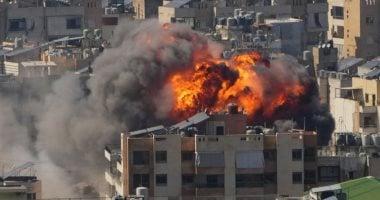
U.S. Strikes Iran After Trump Says Ceasefire Is Over, Iran Hits U.S. Allies
22 sources compared
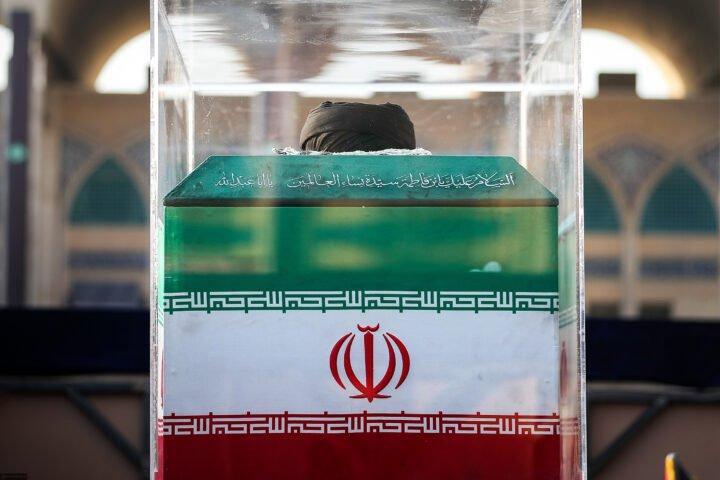
Israeli-American Attack Killed Ayatollah Ali Khamenei as His Body Was Buried in Mashhad
23 sources compared
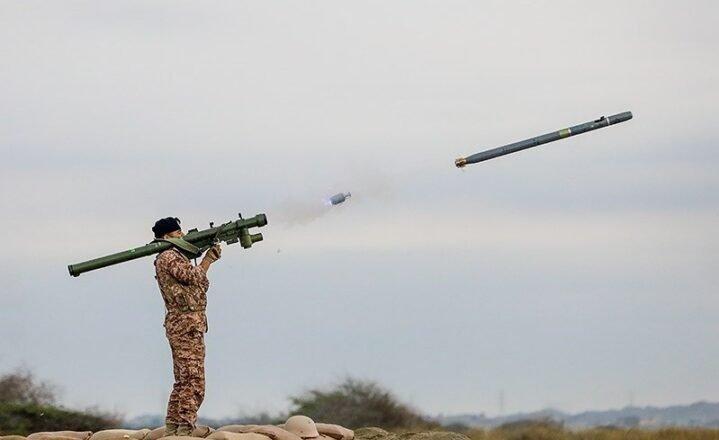
United States Strikes Hit Bushehr as Iran Says 14 Killed in Past Two Days
17 sources compared

Iran Launches More Strikes After US Attacks Hit Southern Iran, US Central Command Says
36 sources compared