USA14 January, 20262 min read
Trump Threatens To Annex Greenland, Urges NATO To Help Seize Island
This article is an automated aggregation of coverage from news outlets. Our editorials offer in-depth analysis curated by the NewsCord team.
Trump urged NATO to help the U.S. acquire Greenland, calling non-ownership 'unacceptable'. Denmark deployed advance troops and equipment to Greenland to prepare for larger military presence.

8 outlets told this the same way.
Greenland acquisition plans
President Trump has repeatedly signalled he wants to acquire Greenland. He said he would prefer to buy the strategically important, resource-rich island but has not ruled out military action if necessary. Reports say he told aides the United States may seize Greenland and ordered military planners to draw up invasion options.
“President Trump has signalled he wants to acquire Greenland, saying he would prefer to buy the strategically important, resource-rich island but has not ruled out military action if necessary.”
He warned the U.S. would act "whether they like it or not" and said "we can do this the easy way or the hard way." Coverage frames the idea as rapid planning and high-level rhetoric rather than a conventional diplomatic purchase.

Denmark and Greenland response
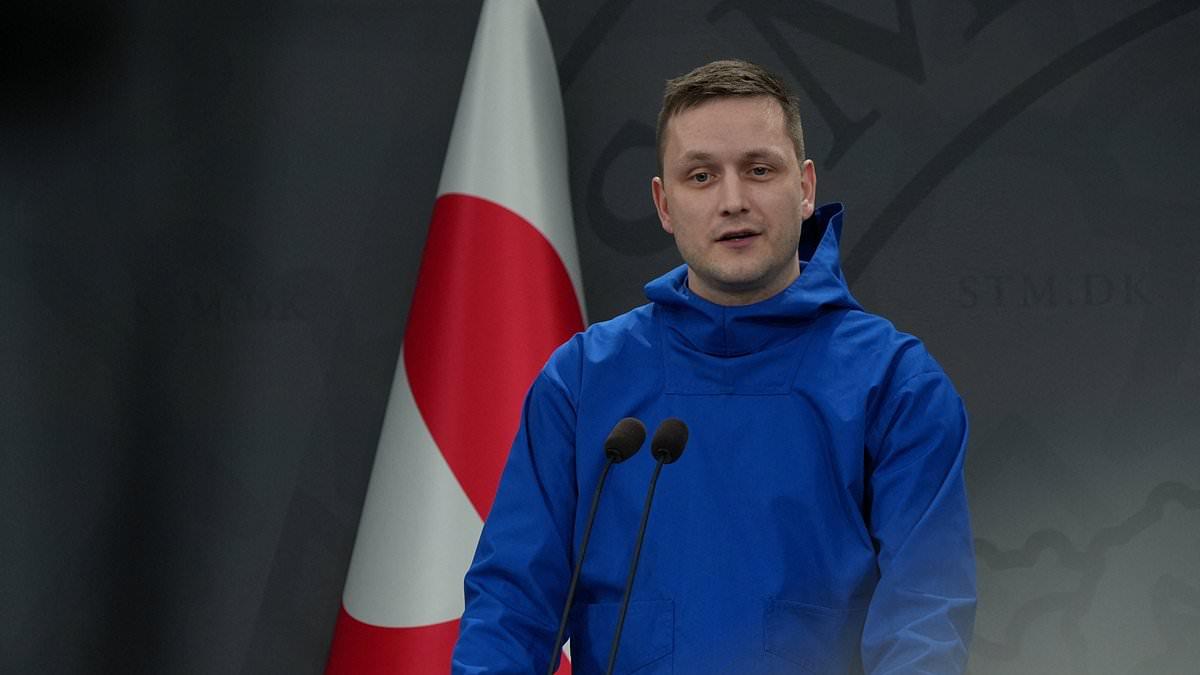
Denmark and Greenland pushed back strongly. Officials in Greenland and Copenhagen insisted the island is 'not for sale,' with Greenlandic and Danish ministers rejecting US ownership or governance and describing external pressure as unacceptable.
Denmark has sought meetings at the White House to clear up what it calls misunderstandings over defence, China and Russia in the Arctic. Coverage emphasizes the official diplomatic rebuttal and plans for talks rather than any immediate transfer of sovereignty.
Denmark, NATO and Arctic
Military logistics and NATO implications featured heavily. Reports say Denmark moved troops and equipment and that its defence command trains routinely for Arctic deployments. Analysts and officials warned an invasion or coercive move would likely destroy NATO cohesion and put close allies at odds with Washington.
“Danish media and the Mail on Sunday report that Denmark has moved advanced troops and equipment to Greenland and is preparing logistics for a larger force; Defence Minister Troels Lund Poulsen acknowledged an increased and more permanent Danish presence in the territory...”
Some coverage notes U.S. advisors caution against military action. Denmark has signalled plans to increase a more permanent Arctic presence and coordinate with allies.
Media coverage of Greenland purchase
Feasibility and motives drew divergent attention. NBC News reported scholars and former officials estimate the U.S. could pay up to $700 billion to acquire Greenland, a figure that frames the purchase as expensive and impractical.
Tabloids emphasize alleged motives like access to oil, gas, uranium and other minerals and highlight geopolitical speculation about Russian or Chinese interest. The coverage collectively portrays a clash between practicality (cost and logistics) and perceived strategic resource incentives.

Greenland diplomatic response
Local opinion and diplomatic follow-up are central to the story's next phase. Most residents oppose becoming a U.S. state or falling under U.S. control. Greenland's minister for business and mineral resources said the island 'is not for sale.'
“Locals and officials, including Greenland’s minister for business and mineral resources Naaja Nathanielsen, insist the island ‘is not for sale’ and urge Washington to listen to Greenlanders.”
Denmark has sought meetings with U.S. officials, including a White House session to clear up misunderstandings after an unannounced U.S. visit. These steps indicate the dispute will proceed through diplomacy and public rebuke rather than immediate annexation.
