Iran-Israel30 December, 20252 min read
Trump Threatens To Back Major Military Strikes On Iran If Tehran Rebuilds Nuclear Or Missile Programs
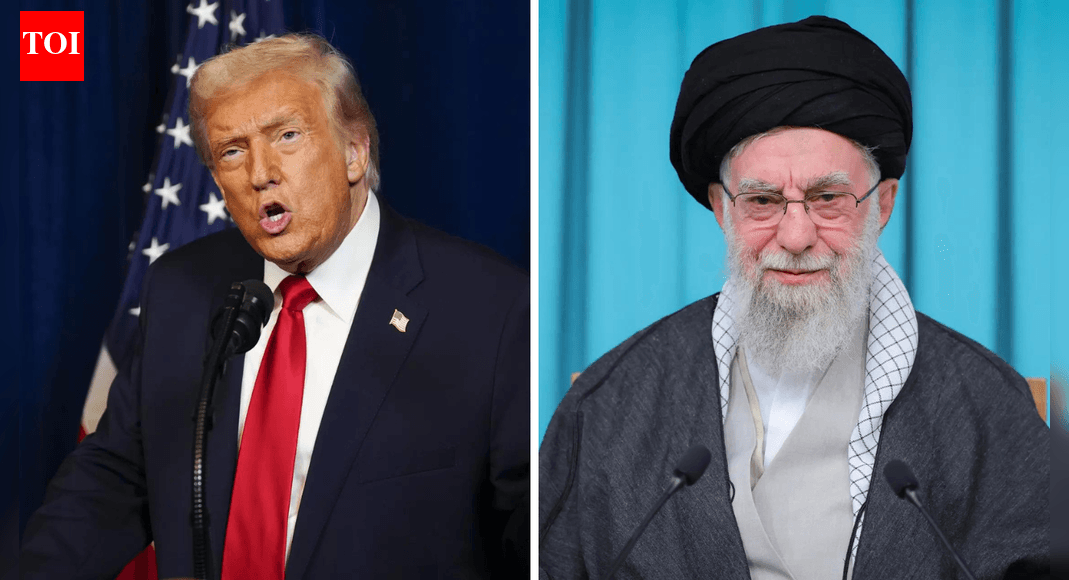
Trump threatened major military strikes if Iran rebuilds nuclear or ballistic missile programs Trump demanded Hamas disarm within a very short period or face severe consequences
16 outlets told this the same way.
Outlets did split on U.S. Intercepts Iran Message Activating Sleeper Cells After U.S.-Israel Strike Kills Khamenei →
U.S. threats and diplomacy
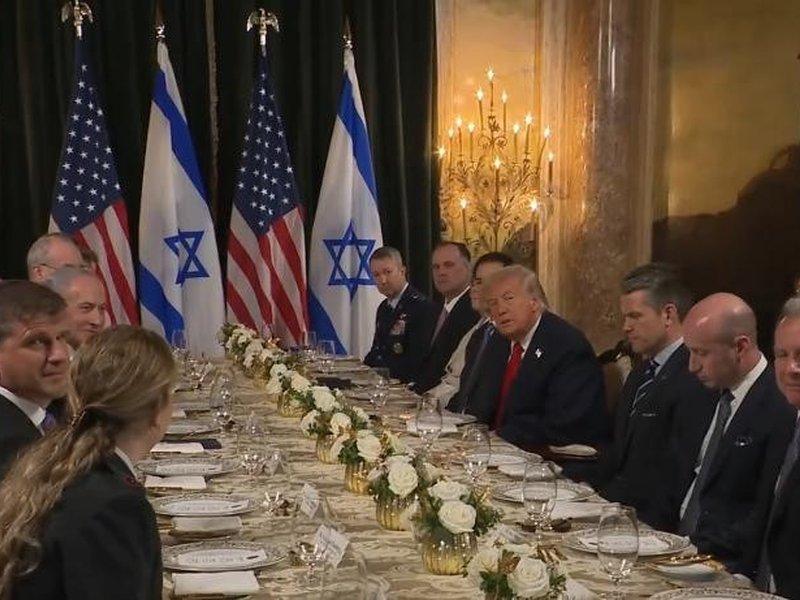
President Donald Trump told Israeli Prime Minister Benjamin Netanyahu at Mar-a-Lago that Washington could back or even participate in fresh, major strikes on Iran if Tehran begins to rebuild its ballistic-missile or nuclear programs. He repeatedly warned that the U.S. would act to "eradicate that buildup" and said it would "knock" or "knock the hell" out of Iran should rearmament occur.
“President Trump said the plan was possible because ‘we made the plan possible by taking out Iran,’ and warned that any renewed Iranian activity would be met swiftly — ‘we're going to have no choice but very quickly to eradicate that buildup.’”
The remarks followed references to large U.S. strikes in June that officials say damaged Iranian sites. Trump also raised the possibility of renewed nuclear talks with Tehran while discussing regional security.

Gaza ceasefire and security
Trump tied Iran warnings to broader discussions about the Gaza ceasefire and regional security, pressing to move the truce into a second phase that would include international peacekeepers. He insisted Hamas must disarm or face severe consequences, using phrases such as 'there will be hell to pay,' and stressed that Israel's security needs must be addressed before additional steps. Reports note sharp gaps remain between Israeli and Hamas positions on disarmament and on implementing the complex steps of the ceasefire.
Reporting on Iran strikes
Multiple outlets reiterate U.S. claims that strikes earlier in the year hit Iranian nuclear-related sites. They diverge on the strikes' provenance, their impact, and the evidence for any new Iranian rearmament.
“The article notes the U.S. struck three Iranian nuclear sites earlier this year with bunker‑busting munitions and cruise missiles — called an ‘obliteration’ by Trump — though the actual impact on Iran’s program is unclear.”
Several sources cite June strikes that damaged three Iranian sites and report U.S. officials' concerns that Iran may be rebuilding missile production. Other reports record Tehran's denials, calls of a 'psychological operation,' and warnings of retaliation if attacked again.
Mar-a-Lago talks overview
The Mar-a-Lago talks also addressed wider regional issues, including Turkey as a possible peacekeeping contributor and concerns about Syria and Hezbollah.
The meeting included public gestures, such as Netanyahu saying he would award Mr. Trump Israel’s highest civilian honor.
Media outlets differed on whether domestic political calculations and timing, including election considerations, shaped U.S. posture.
Analysts cautioned that renewed strikes could widen the conflict.
Trump and Netanyahu described the meeting as productive and said it focused on consolidating the ceasefire and planning reconstruction.
Risks of strikes on Iran
Observers quoted across the coverage warned that any U.S. backing for new strikes on Iran could carry substantial risk of escalation. Analysts and regional officials told outlets that preventing Iran from reconstituting missile and nuclear infrastructure is a shared Israeli-U.S. goal. Tehran’s officials vowed immediate retaliation if attacked and called U.S. claims a psychological operation, leaving the actual threat level and the factual basis for new strikes contested in the reporting.
“U.S. officials are increasingly hearing Israeli concerns that Iran is rebuilding and expanding its ballistic‑missile production after strikes last summer.”