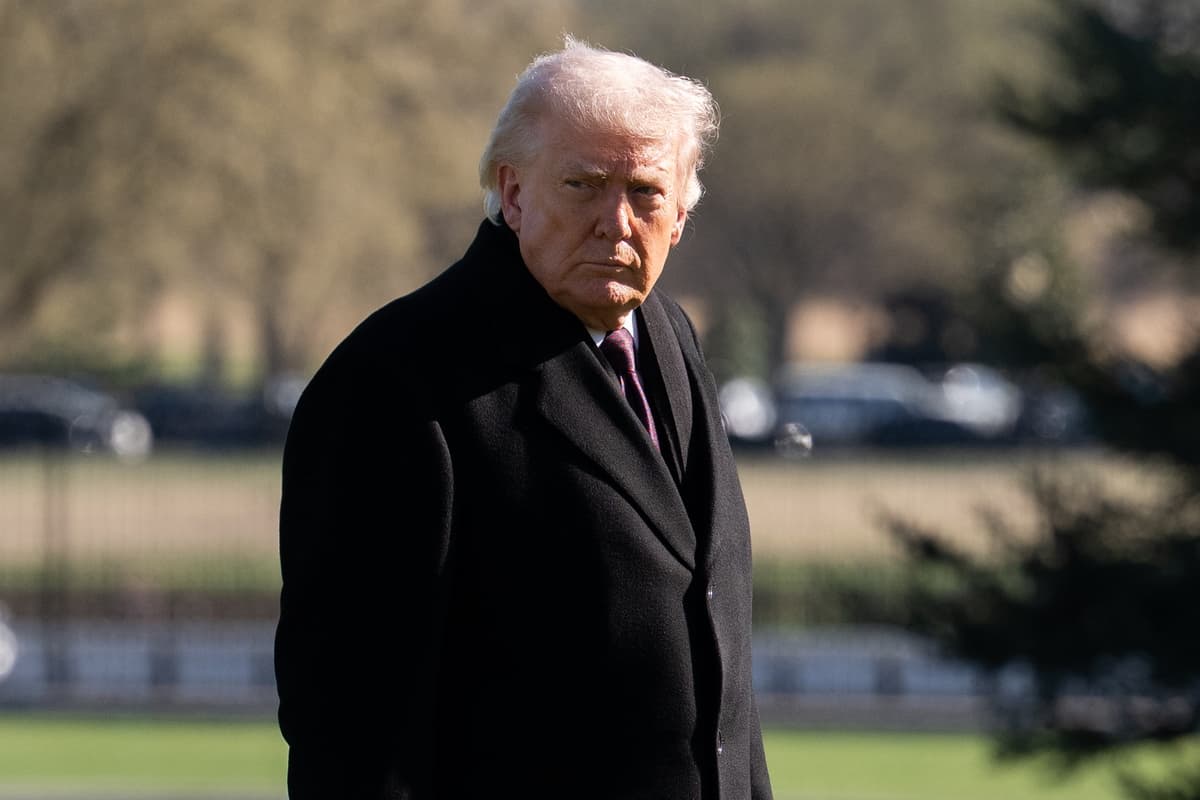
Trump threatens to blow up the world's largest gas field if Iran attacks Qatar again
Key Takeaways
- Trump warned U.S. would blow up South Pars gas field if Iran attacks Qatar again.
- Trump said Israel attacked Pars gas field without US or Qatari involvement.
- Iran retaliated by striking Qatar's LNG facilities after Israel's Pars attack.
Trump's Escalation Threat
President Donald Trump issued an unprecedented threat to destroy Iran's South Pars natural gas field if Tehran attacks Qatar again, escalating tensions in the Middle East conflict.
“Washington warns Tehran”
In a post on Truth Social Wednesday night, Trump pledged that 'Israel will make no more attacks' on the strategically vital gas field, but warned that 'if Iran attacked Qatar again, the United States would retaliate and "massively blow up the entirety" of the field.'

Trump attempted to distance his administration from the Israeli strike, claiming 'the United States knew nothing about this particular attack' and that Qatar 'was in no way, shape, or form, involved with it.'
However, this assertion contradicted reports from a person familiar with the matter who stated that while the US did not take part in the strike, it had been informed about Israel's plans.
Iranian missiles hit Qatar's Ras Laffan Industrial City in retaliation for the Israeli attack on the shared South Pars field, which Trump described as Israel 'violently lashing out at a major facility known as South Pars Gas Field in Iran.'
Energy Market Impact
The escalating conflict sent shockwaves through global energy markets, with oil prices surging another 5% to over $108 a barrel as the region's critical energy infrastructure faced unprecedented attacks.
Qatar's state-owned energy firm QatarEnergy reported that Iranian missile strikes caused 'extensive damage' to its liquefied natural gas (LNG) facilities, describing the attacks as having caused 'sizeable fires and extensive further damage.'

The attacks targeted Ras Laffan Industrial City, home to the world's largest LNG export facility, with Qatar confirming that firefighters were working to contain the blazes and no injuries had been reported.
The energy sector became a primary battlefield in the conflict, with Iran making the Strait of Hormuz shipping channel, through which one-fifth of the world's oil travels, nearly impassable.
The targeting of energy infrastructure dramatically increased tensions, as analysts warned that unlike oil storage depots that can be replenished relatively quickly, liquefied natural gas production facilities cannot be as easily repaired, especially against a backdrop of war.
Diplomatic Fallout
The attacks triggered a fierce diplomatic backlash across the Gulf region, with multiple Arab states condemning Iran's strikes on civilian energy infrastructure as a dangerous escalation that threatened to draw them directly into the conflict.
““A good deal of key decision makers were not allowed to come and express their opinion to the president,” Kent told Carlson”
Saudi Arabia's top diplomat expressed that assaults on the kingdom meant 'what little trust there was before has completely been shattered,' while the kingdom's foreign ministry announced it 'reserved the right to take military action' against Tehran if necessary.
Qatar moved to expel Iranian officials, ordering some Iranian Embassy staff to leave the country within 24 hours and condemning Iran's attacks as 'blatant violations of international law and a serious threat to global energy security.'
The United Arab Emirates similarly denounced Iranian attacks targeting its Habshan gas facility and Bab field as a 'dangerous escalation,' while Bahrain sounded missile sirens early Thursday over an incoming Iranian attack.
An Arab summit of Gulf countries and others ended with a unified call for Iran to halt attacks on its neighbors, with participants emphasizing that 'these attacks cannot be justified under any pretext or in any way.'
Strategic Significance
The South Pars gas field, shared between Iran and Qatar and known as the world's largest natural gas reserve, emerged as a critical flashpoint in the escalating conflict, with Iran warning of 'uncontrollable consequences' that 'could engulf the entire world.'
Iranian President Masoud Pezeshkian responded to the Israeli strike with stark warnings about the potential global impact, while Iran's Islamic Revolutionary Guard Corps accused the US and Israel of targeting its oil and gas facilities.
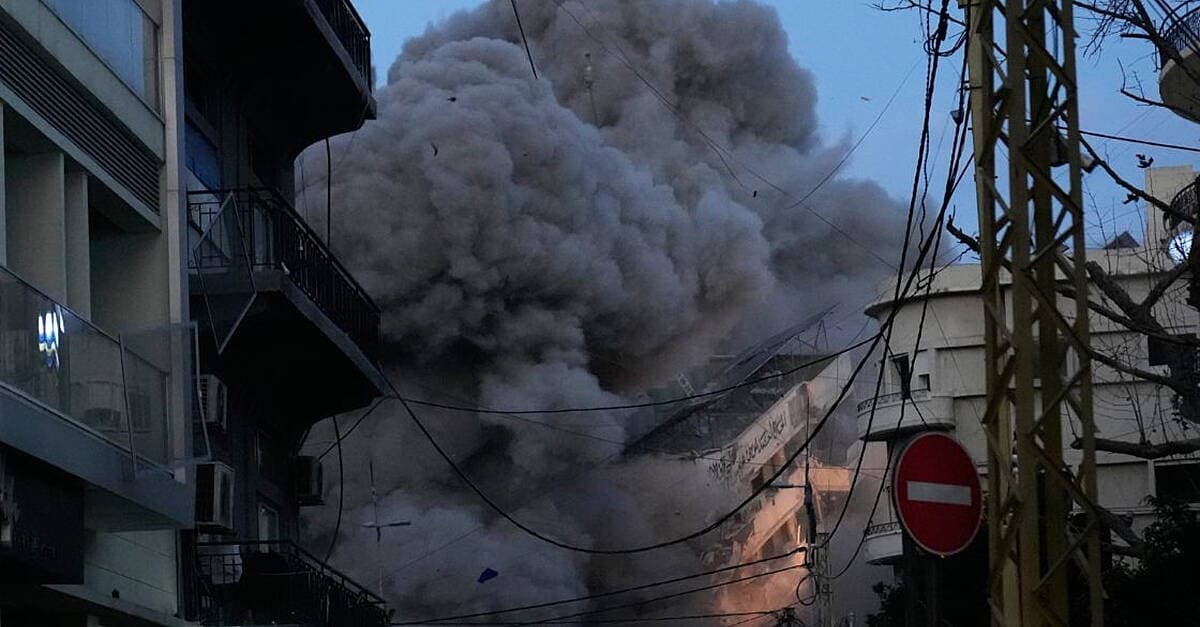
The strategic significance of the field cannot be overstated, as it provides 70% of Iranian gas and underpins a significant share of global energy supply.
Trump's threat represented a dangerous escalation, as he vowed the US would 'massively blow up the entirety of the South Pars Gas Field at an amount of strength and power that Iran has never seen or witnessed before' if Qatar's LNG facilities were attacked again.
The conflict's expansion to energy infrastructure marked a significant departure from previous engagements, raising concerns about the broader implications for global energy security and the potential for even wider regional destabilization.
More on Iran

Israel strikes Iran's Pars gas field as Tehran vows revenge
14 sources compared
Trump threatens to blow up South Pars gas field if Iran attacks Qatar again
10 sources compared
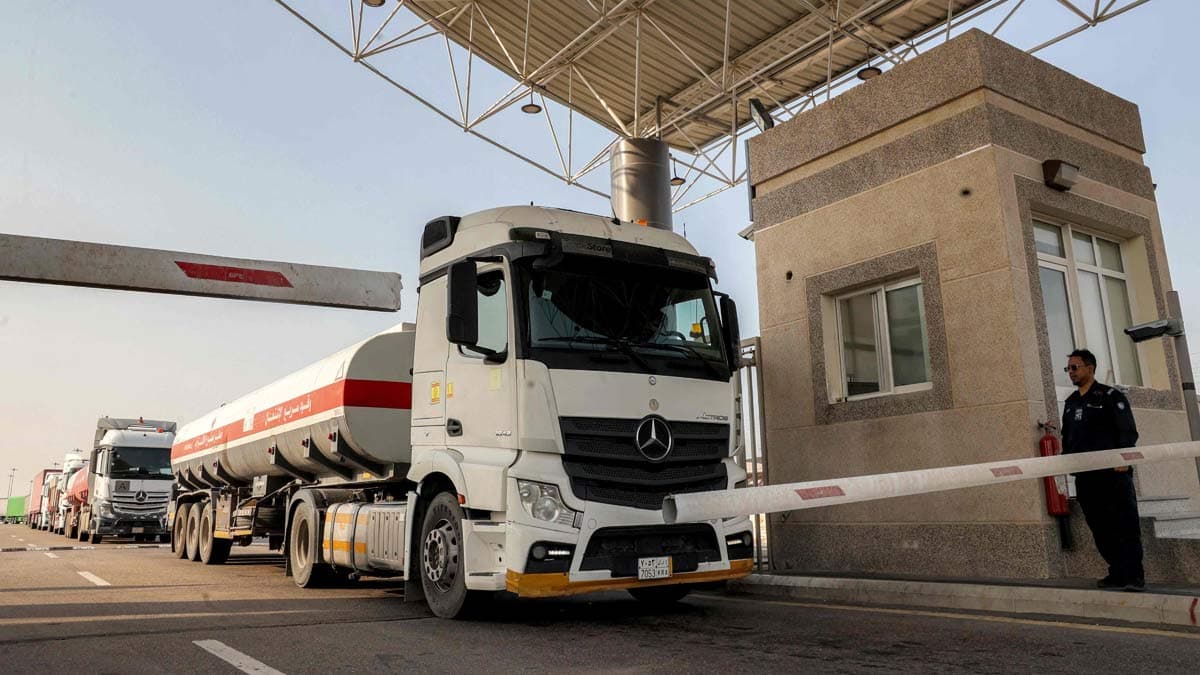
UAE Halts Habshan Gas Facility Operations After Debris From Intercepted Missiles
10 sources compared

Iran Threatens Gulf Energy Facilities After Israel Strikes South Pars Gas Field
11 sources compared