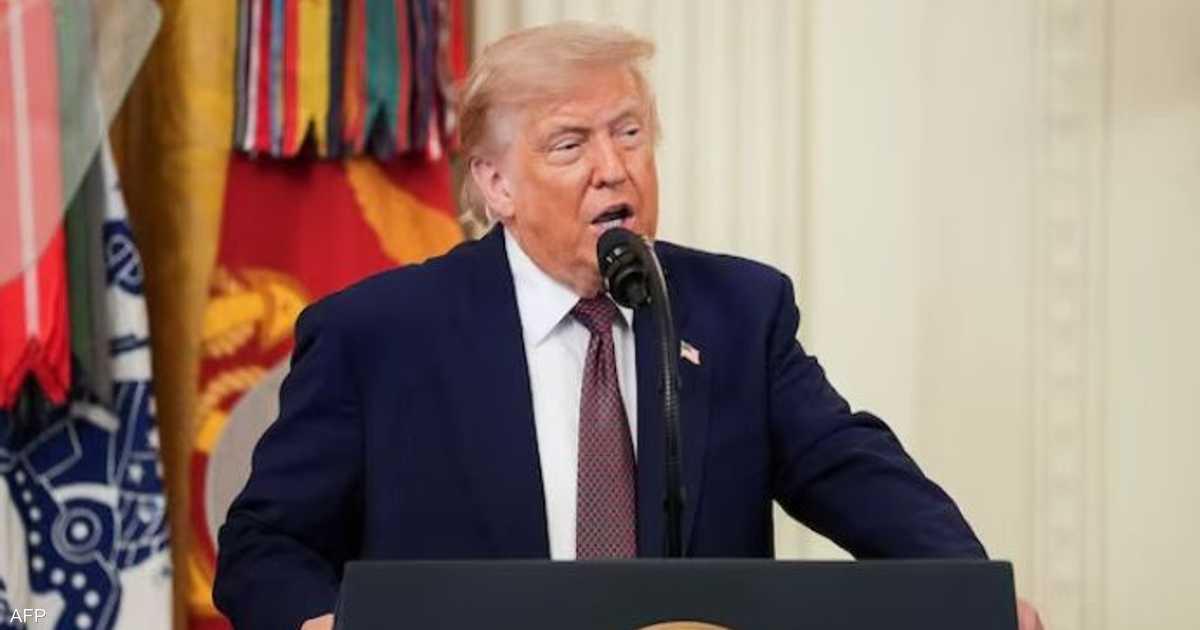
Trump Threatens To Halt Talks With Iran Over U.N. Nuclear Inspections Dispute
Key Takeaways
- Trump threatens to halt talks if Iran rejects U.N. nuclear inspections.
- Iran denies agreeing to allow U.N. nuclear inspections; dispute over access continues.
- Talks are about a preliminary framework toward a final peace deal with inspections.
Inspections Dispute Escalates
The U.S. and Iran were in a dispute Tuesday over whether Tehran had agreed to allow U.N. inspections of its nuclear sites as officials negotiated over how to permanently end the war, with Iran’s foreign ministry spokesperson Esmail Baghaei telling reporters in Tehran that U.N. inspectors were not scheduled to examine nuclear sites bombed by the U.S. last year.
President Donald Trump told reporters Tuesday that if Iran had not agreed to inspections, he would cut off talks with Tehran immediately, while adding there was no rush for those inspections to begin.

NBC News reported that the International Atomic Energy Agency has not responded to requests for comment over its possible role, and that it has been in and out of Iran since Israel’s 12-day war in 2025 but has not been granted access to bombed enrichment sites targeted by the U.S.
In parallel, the BBC reported that Iran denied a claim by Vice-President JD Vance that it will allow nuclear inspectors back into the country after the first round of talks in Switzerland, with Iran’s foreign ministry spokesman Esmaeil Baqaei saying Tehran had made "no new commitments" on nuclear inspections.
The BBC also said Trump posted on social media that Iran had "fully and completely agreed" to inspections, keeping the two sides’ accounts in direct conflict as talks continued.
Sanctions Relief, Assets, Timing
The Trump administration temporarily lifted oil sanctions against Iran on Monday for 60 days, a reversal that the New York Times said could provide Iran with an economic boon after years of having to sell at a discount to buyers who risked running afoul of the United States.
The New York Times reported that Vice President JD Vance asserted that Tehran had agreed to invite U.N. inspectors back to Iran’s nuclear sites, but that Esmail Baghaei told Iranian state media that Iran had made "no new commitments" regarding nuclear inspections.

The New York Times said the 60-day suspension would allow Iran to increase oil exports and to charge market prices, and it would give the country greater access to American currency by permitting it to transact in U.S. dollars and sell to American importers.
In a separate dispute over the same nuclear issue, the Hill reported that Baghaei told Fars News Agency there are no plans to allow inspectors into Iran and that no meeting has been scheduled with IAEA Director-General Rafael Grossi.
The Hill also quoted Vance saying, "we're going to see what they actually let the inspectors do once they're in the country," as the U.S. and Iran continued to negotiate a 60-day timeline for the future of the Iranian nuclear program.
Strait of Hormuz and Next Steps
As the nuclear-inspections dispute continued, a separate plan emerged to break the shipping bottleneck through the Strait of Hormuz, with the International Maritime Organization saying a plan was underway to evacuate 11,000 crew members stranded on ships.
NBC News reported that the plan is being done in cooperation with Iran, Oman, all other coastal states in the region, the United States and the maritime industry, and that Arsenio Dominguez said, "We have secured the necessary safety guarantees and have thoroughly verified the conditions for safe navigation to support these operations."
The BBC said the 60-day sanctions waiver issued by the U.S. Treasury on Monday dismantles central pillars of Washington’s long-running embargo and includes an emergency licence authorising the production, sale and delivery of Iranian crude and petrochemicals until 21 August.
The BBC also reported that mediators Qatar and Pakistan said in a joint statement that after the first round of talks in the Swiss resort of Bürgenstock, the U.S. and Iran agreed to "a roadmap towards reaching a final deal within 60 days".
With the ceasefire already tested, NBC News said Iran said it closed the strait again over fighting between Israel and the Iranian-backed militia Hezbollah in Lebanon, while the U.S. said negotiators discussed "mechanisms" to ensure that the strait remains open.
More on Iran

Iran Central Bank Governor Abdolnaser Hemmati Rejects Trump Claim Funds Must Buy US Goods
12 sources compared
US-Iran Agreement Restarts Strait of Hormuz Shipping, Kpler Shows 172 Vessels Crossing
13 sources compared

Naftali Bennett Says Israel Smuggled Starlink Receptors Into Iran To Aid Anti-Government Protesters
12 sources compared

Trump Accuses Tehran of False Statements as Pakistani PM Sharif Rejects Missile Talks
32 sources compared