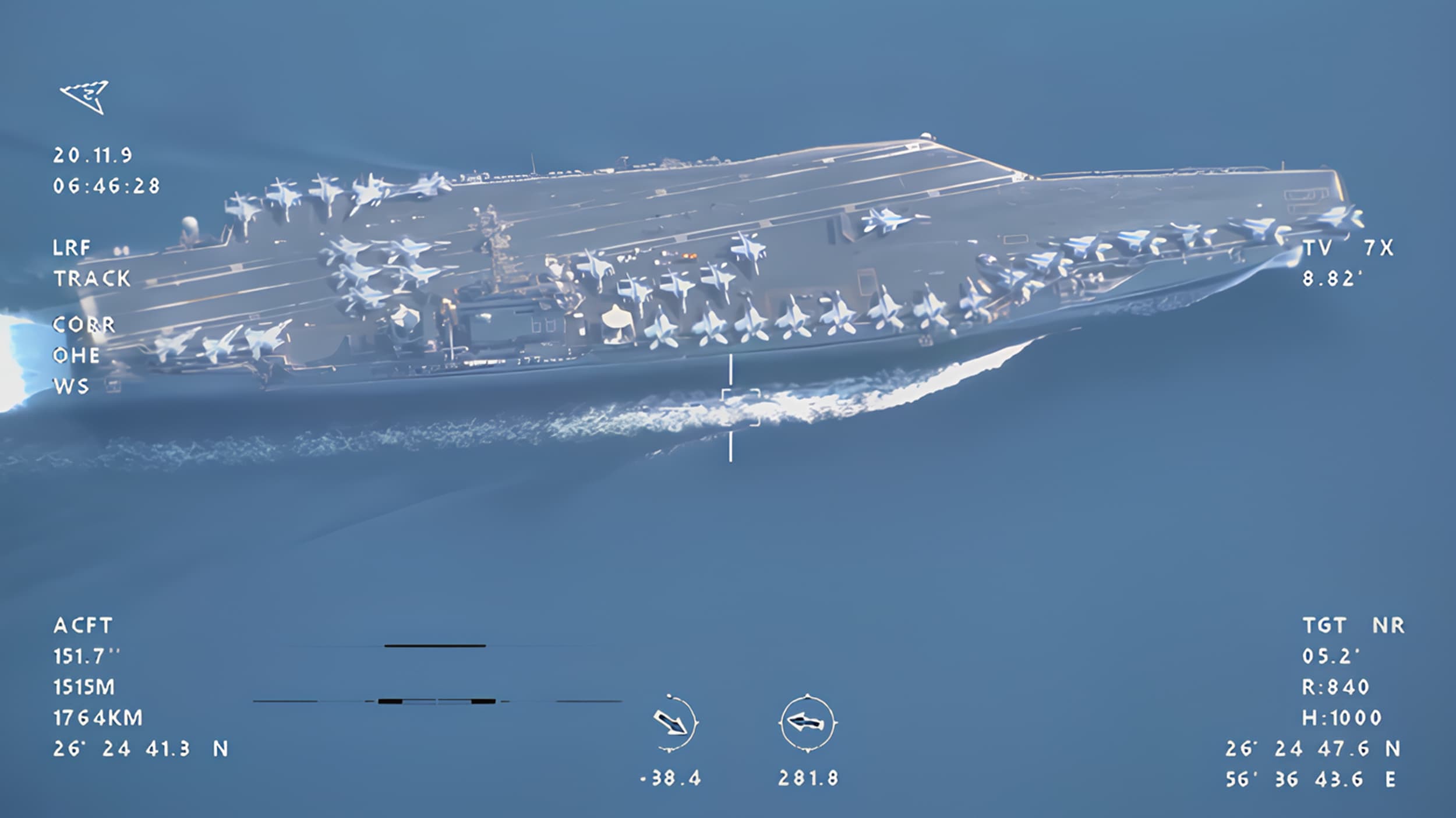
Trump threatens to intervene as Iran protests intensify
Key Takeaways
- Trump threatened intervention in Iran amid ongoing nationwide protests.
- Iran protests persist with clashes against security forces and international concern.
- Trump ties Iran turmoil to Strait of Hormuz, delaying Xi summit.
Intervention Threats
President Donald Trump issued direct threats of military intervention in Iran amid escalating protests over economic conditions.
Trump declared that if Iran 'violently kills peaceful protesters, which is their custom, the United States of America will come to their rescue.'
Trump's provocative 'locked and loaded and ready to go' statement prompted an immediate diplomatic response from Iran.
Iran's UN ambassador Amir Saeed Iravani wrote to the UN secretary-general and Security Council to condemn what he described as 'unlawful threats' and 'reckless and provocative statements.'
Iranian authorities characterized Trump's interventionist stance as a 'serious violation' of the UN Charter and international law.
Supreme National Security Council Secretary Ali Larijani countered that US interference 'is equivalent to chaos across the entire region and the destruction of American interests.'
The exchange represents a significant escalation in tensions between the two nations as Iran faces internal unrest.
Protest Crisis
Iran has been gripped by widespread protests triggered by severe economic crisis.
Demonstrations spread across multiple cities including Qom, Marvdasht, Yasuj, Mashhad, Hamedan, and Tehran neighborhoods following shopkeeper strikes over high prices.

The unrest has resulted in significant casualties, with at least nine people killed and 44 arrested.
Another death was reportedly caused by a grenade explosion in what authorities described as an attempt to incite unrest.
President Masoud Pezeshkian adopted an unusually conciliatory tone, admitting the government was 'at fault' for the situation.
His efforts to address the protests appear limited as security forces continued to use lethal force against demonstrators.
Iran's economic woes stem from multiple factors including years of severe drought, a collapsing currency, and high inflation rates.
Media War
The Trump administration has launched an aggressive campaign against media coverage of the Iran situation.
“Iran’s United Nations ambassador Amir Saeed Iravani has written to the UN secretary-general and the president of the UN Security Council (UNSC), urging them to condemn “unlawful threats” towards Tehran from United States President Donald Trump amid ongoing protests in the country”
President Donald Trump attacked news organizations for what he called 'fake news' about the war.
Federal Communications Commission Chairman Brendan Carr threatened to revoke broadcast licenses over coverage deemed not in 'the public interest.'
Trump specifically criticized The New York Times and The Wall Street Journal for reporting that Iranian strikes had destroyed tanker aircraft at a Saudi base.
Trump insisted the planes were not destroyed and most were already back in service.
Carr amplified Trump's concerns, warning that 'broadcasters that are running hoaxes and news distortions - also known as the fake news - have a chance now to correct course before their license renewals come up.'
The administration's media crackdown has drawn bipartisan condemnation, with Senate Minority Leader Chuck Schumer calling the threats 'vindictive, fascist stuff'.
Global Impact
The escalating tensions between the US and Iran have had significant international repercussions.
Trump's planned summit with Chinese President Xi Jinping faces potential delay due to the ongoing conflict in Iran.

Treasury Secretary Scott Bessent indicated that the commander-in-chief's 'number one priority right now to ensure the continued success of this operation' could force a postponement.
Trump has pressured multiple countries including China to deploy warships to reopen the Strait of Hormuz.
Iran has effectively closed the strait in retaliation for the US-Israeli war.
Trump argued that nations heavily dependent on Middle Eastern crude have a responsibility to protect the critical waterway.
Roughly one-fifth of the world's traded oil normally flows through the strait.
Despite geopolitical tensions, US and Chinese negotiators held 'constructive' talks in Paris focused on trade issues.
More on Iran

Israel strikes Iran's Pars gas field as Tehran vows revenge
14 sources compared
Trump threatens to blow up South Pars gas field if Iran attacks Qatar again
10 sources compared
UAE Halts Habshan Gas Facility Operations After Debris From Intercepted Missiles
10 sources compared

Iran Threatens Gulf Energy Facilities After Israel Strikes South Pars Gas Field
11 sources compared