South America06 January, 20263 min read
Trump Threatens to Invade Colombia
Donald Trump threatened possible military action against Colombia and denounced President Gustavo Petro President Gustavo Petro vowed to 'take up arms' to defend Colombia against US aggression

28 outlets told this the same way.
Outlets did split on Alexandre de Moraes Orders Eduardo Bolsonaro Arrest, Cancels Passport, Enforces Four-Year Sentence →
Venezuela raid fallout
A recent escalation began after a U.S. operation in Venezuela described by multiple outlets as a surprise strike or raid that led to the detention of Nicolás Maduro and provoked sharp cross‑regional reactions and threats from former U.S. President Donald Trump toward Colombia.
“Relations between the US and key allies have been strained: Colombia and the United States have clashed repeatedly since the start of Mr Trump’s second term over issues such as tariffs and migration.”
The Telegraph reports strained relations and 'surprise strikes in Venezuela that Caracas says killed about 80 people,' noting global protests and some governments rejecting the operation as a breach of international law.

The Daily Mail frames the episode as part of an 'aggressive new era of U.S. expansionism' and reports that U.S. Special Forces have captured President Nicolás Maduro and his wife in a raid.
The Guardian quotes Trump calling Colombia 'very sick' and saying intervention 'sounds good to me,' linking those remarks to the Caracas operation.
Together, these accounts establish the immediate background that the Venezuela action triggered Trump to publicly threaten similar measures in other countries, including Colombia.
Petro's defiant response
Colombian President Gustavo Petro responded with defiance, publicly warning he would "take up arms" to defend sovereignty and condemning any similar intervention as "naked imperialism."
Multiple sources report Petro's direct messages on X and public statements: NewsX cites his post — "Come get me. I'm waiting for you here" — and his willingness to break a prior pledge not to use a weapon; Muscat Daily says he called U.S. intervention "naked imperialism" and warned U.S. forces would face armed resistance; Global Village Space records Petro saying he "knows about war and clandestinity" and will resist.
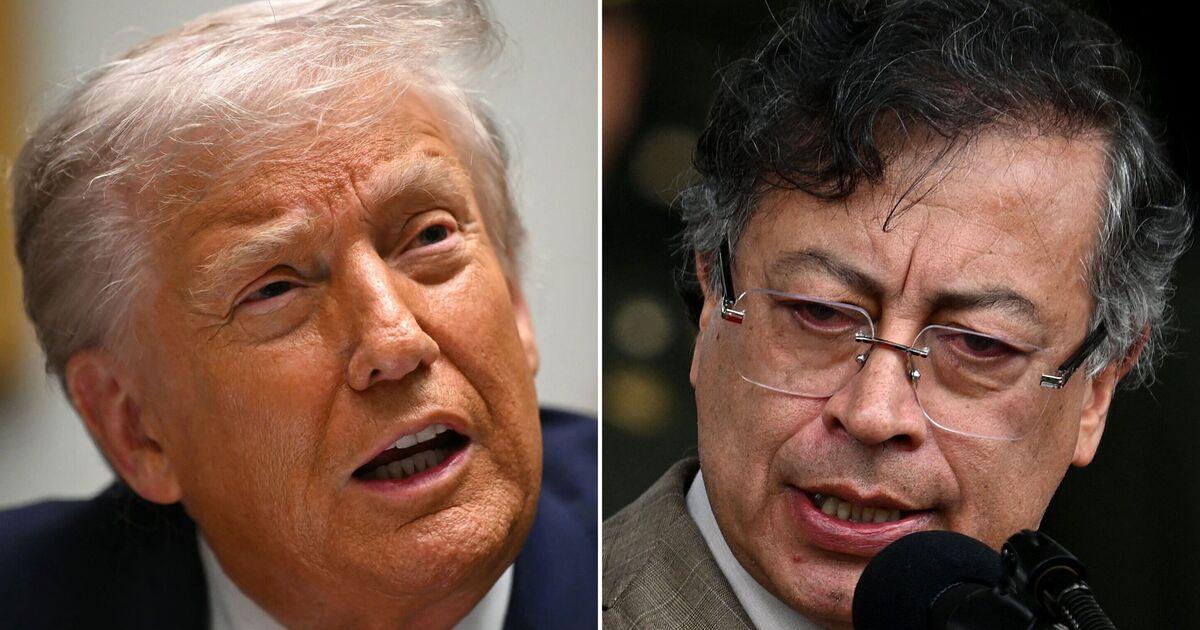
These accounts show Petro combining rhetorical defiance with references to his past as a former guerrilla, positioning his response as both symbolic and potentially mobilizing.
Accusations and Official Responses
Trump's public accusations that Petro is involved in drug trafficking and his talk of possible military action have provoked official rebukes from Bogotá and raised wider questions about evidence and legality. The Guardian reports there is no evidence linking Petro to drug trafficking and notes Colombia's narcotics trade is largely run by armed groups. Mathrubhumi and NewsBytes repeated Trump's phrase calling Petro 'a sick man who likes making cocaine and selling it to the United States' but said no evidence has been presented.
“There is no evidence linking Petro to drug trafficking; Colombia’s narcotics trade is largely run by illegal armed groups (Gulf Clan, ELN and dissident Farc factions).”
Colombia's foreign ministry is quoted in several outlets condemning Trump's remarks as undue interference. Overall, this cluster of reporting shows a clear split between Trump's accusations and multiple outlets' emphasis on lack of proof and legal and diplomatic objections.
Geopolitics and media framing
Several sources situate the episode within a broader geopolitical narrative beyond bilateral tensions. The Daily Mail ties the moves to a revived Monroe Doctrine and U.S. competition with China and Russia. The Washington Examiner reports an assertive U.S. posture that it describes as effectively managing Venezuela, though it mislabels officials in its reporting.
Global Village Space and the New York Post highlight Beijing's diplomatic position and the strategic value of Venezuelan oil. Together, these pieces portray U.S. actions not only as anti-narcotics measures but as part of great-power rivalry and resource geopolitics, with outlets expressing varying degrees of alarm or endorsement.
Colombia security warnings
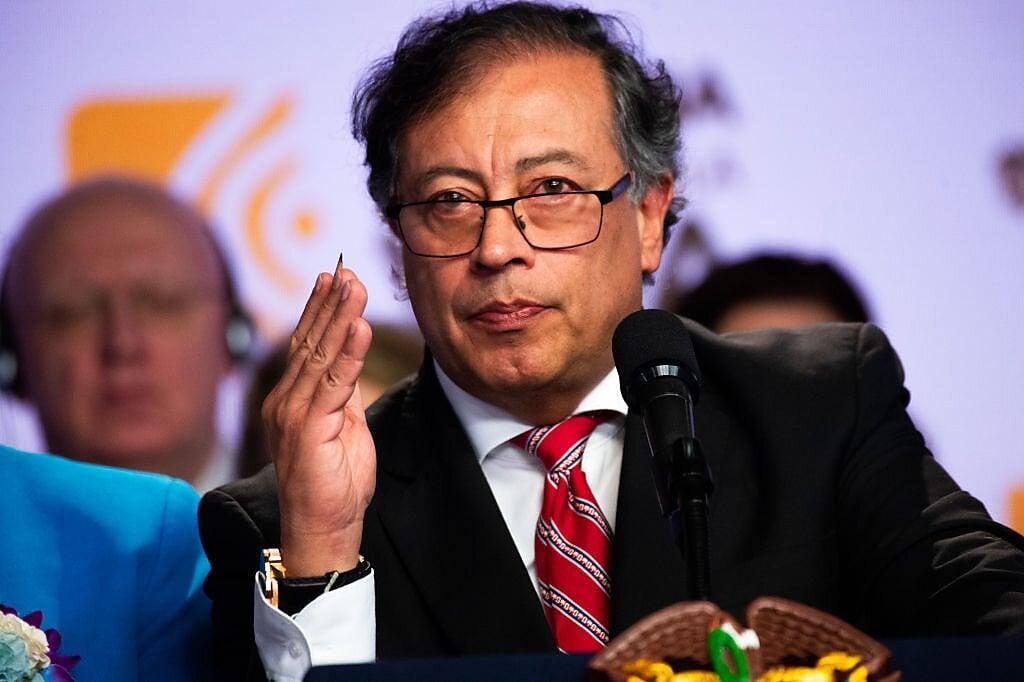
Reporting highlights the risks and possible domestic consequences in Colombia related to escalating military action. Multiple outlets quote President Petro warning that indiscriminate bombing could kill children and revive guerrilla activity. Some local reports record Petro ordering security measures to defend municipalities.
“Petro defended Colombia’s anti‑narcotics approach and warned against U.S. military strikes, saying indiscriminate bombing without solid intelligence would kill children and that arresting a widely supported leader could ‘unleash the popular jaguar.’”
NewsBytes carries Petro's caution that bombing peasants could 'revive guerrilla insurgency', while LIGA.net quotes him instructing security forces to 'not shoot at the people, but to shoot at the invaders'. The New York Post and Mirror US report Petro ordering defense of the presidency and warning of a possible popular uprising. Taken together, these reports portray a volatile mix of military threat, popular mobilization, and legal-diplomatic protest that could destabilize the region if actions escalate.
&w=1920&q=75)