USA11 January, 20263 min read
Trump Threatens to Invade Greenland
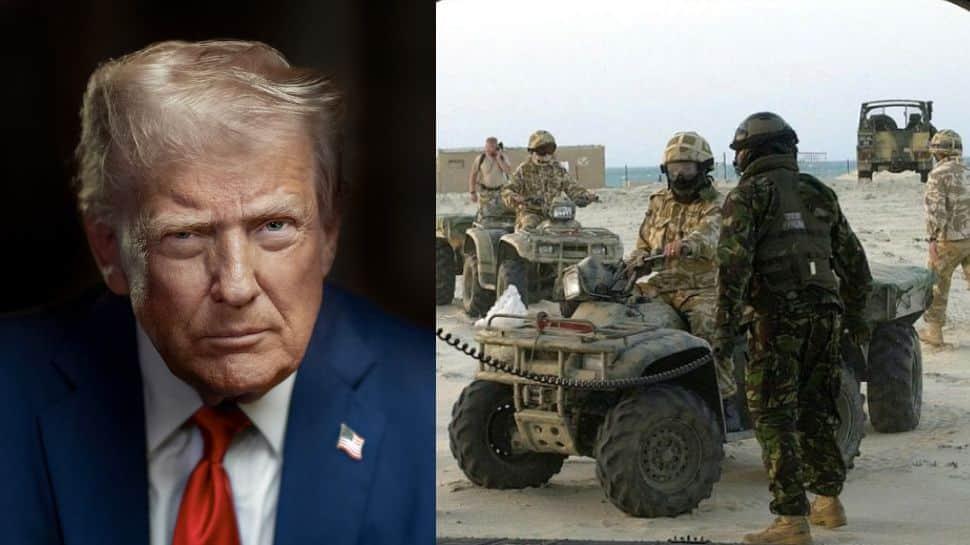
Trump ordered Joint Special Operations Command to draft plans to seize Greenland. Senior U.S. military leaders and Joint Chiefs resisted, calling the plan illegal and impractical.
23 outlets told this the same way.
Outlets did split on Trump Interrupted by Protesters at San Antonio Rally for Ken Paxton →
Alleged Greenland takeover plans
Multiple outlets report British tabloids, principally the Daily Mail, say former President Donald Trump privately ordered Joint Special Operations Command (JSOC) to draw up plans to seize Greenland. The claim immediately prompted pushback from senior U.S. military leaders and European officials. Times Now summarised the Daily Mail account as saying Trump ordered JSOC to draft a plan to invade and seize Greenland.
“The Daily Mail reports that President Donald Trump ordered Joint Special Operations Command (JSOC) to draw up a plan to invade and seize Greenland.”
Al-Jazeera noted the tabloid reports and that military officials warned such a move would be illegal, lack congressional backing, and risk a major political and NATO crisis. Zee News made similar claims and added that the reporting cited anonymous sources and the Daily Mail. PulauJudi also repeated that anonymous sources said Trump ordered JSOC to draft contingency plans for a possible U.S. military takeover of Greenland.

Advisers and Greenland security
Reports across source types attribute the push for plans to hawkish advisers and national-security concerns about Russia and China. Times Now reports that hawks around Trump, reportedly led by adviser Stephen Miller, pushed for rapid action to block Russian or Chinese influence. Al Jazeera and livemint echo that advisers close to Trump, also led by Stephen Miller, were pressing for action.
Livemint adds that diplomats described war-gaming of a 'escalatory' occupation option versus a 'compromise' of full U.S. military access. Zee News says Trump publicly framed Greenland as needing to be 'secured' from Russia or China and quotes his New York Times line about being guided by 'personal morality rather than international law'. VOI.id and Mathrubhumi mention prior U.S. interest and the 2019 purchase talks as background to the renewed focus.

Military leaders oppose plan
Senior U.S. military leaders are reported to be resisting a proposed plan, warning it would likely violate international law and lack Congressional authorization. Al Jazeera quotes the Joint Chiefs as saying such an operation would be 'illegal, lack congressional backing and risk a major political and NATO crisis', with some calling the idea 'crazy and illegal'.
“Generals have tried to steer Trump toward less provocative options, warning that occupying Greenland could wreck alliances and even threaten NATO’s cohesion.”
Livemint and Zee News similarly report that generals warned an occupation could 'wreck alliances' and that senior leaders pushed back on legal and approval grounds. PulauJudi and Weekly Voice repeat accounts of strong military resistance and warnings about constitutional and legal problems.
Reactions to Greenland proposal
Denmark and Greenland reportedly reacted strongly. Multiple outlets reported Danish and Greenlandic pushback, with PulauJudi quoting Denmark as saying Greenland is "not for sale" and that Danish sovereignty would be reaffirmed. TRT World quoted Greenland's leaders saying, "We do not want to be Americans, we do not want to be Danes, we want to be Greenlanders."
Zee News said Denmark declared it was "prepared to defend Greenland" and warned that Danish forces could use force against an attempted U.S. invasion. Türkiye Today and Mathrubhumi emphasized warnings that any forcible U.S. move could damage or even end NATO cohesion.

Reporting and sourcing caveats
Observers and many outlets stress that the story rests heavily on anonymous sources and tabloid reporting and remains disputed or unverified. Zee News explicitly notes that many of these claims come from anonymous reporting and are disputed or unverified. Al-Jazeera describes the account as reporting from British tabloids and cites diplomatic sources.
“Many of these claims come from anonymous reporting and are disputed or unverified.”
LiveMint says the account is based on anonymous military and diplomatic sources cited by the Daily Mail. Mathrubhumi and VOI.id add context on why Greenland matters — Pituffik, Arctic routes and minerals — but flag the media‑report nature of the claims. Given those caveats, coverage diverges sharply on tone and emphasis across source types.