Ukraine War22 November, 20253 min read
Trump Threatens To Withdraw U.S. Support Unless Ukraine Accepts His 28-Point Peace Plan By Nov. 27
This article is an automated aggregation of coverage from news outlets. Our editorials offer in-depth analysis curated by the NewsCord team.
Trump set a Nov. 27 deadline and threatened to withhold U.S. military and intelligence support. Plan would force Ukraine to cede territory, bar NATO membership, and limit its military.
32 outlets told this the same way.
Outlets did split on Russian Attack Kills At Least 33 On Two Buses In Kramatorsk →
Ukraine peace deal push
Former U.S. President Donald Trump publicly pressed Ukraine to accept a reported U.S.-backed 28-point peace framework and set a near-term deadline for Kyiv to respond, saying he wanted an answer by Thanksgiving (reported as Nov. 27).
“After a Fox News interview, President Donald Trump publicized a 28‑point peace plan for Ukraine (CNN obtained the plan’s details) and gave Ukraine a deadline in November to respond.”
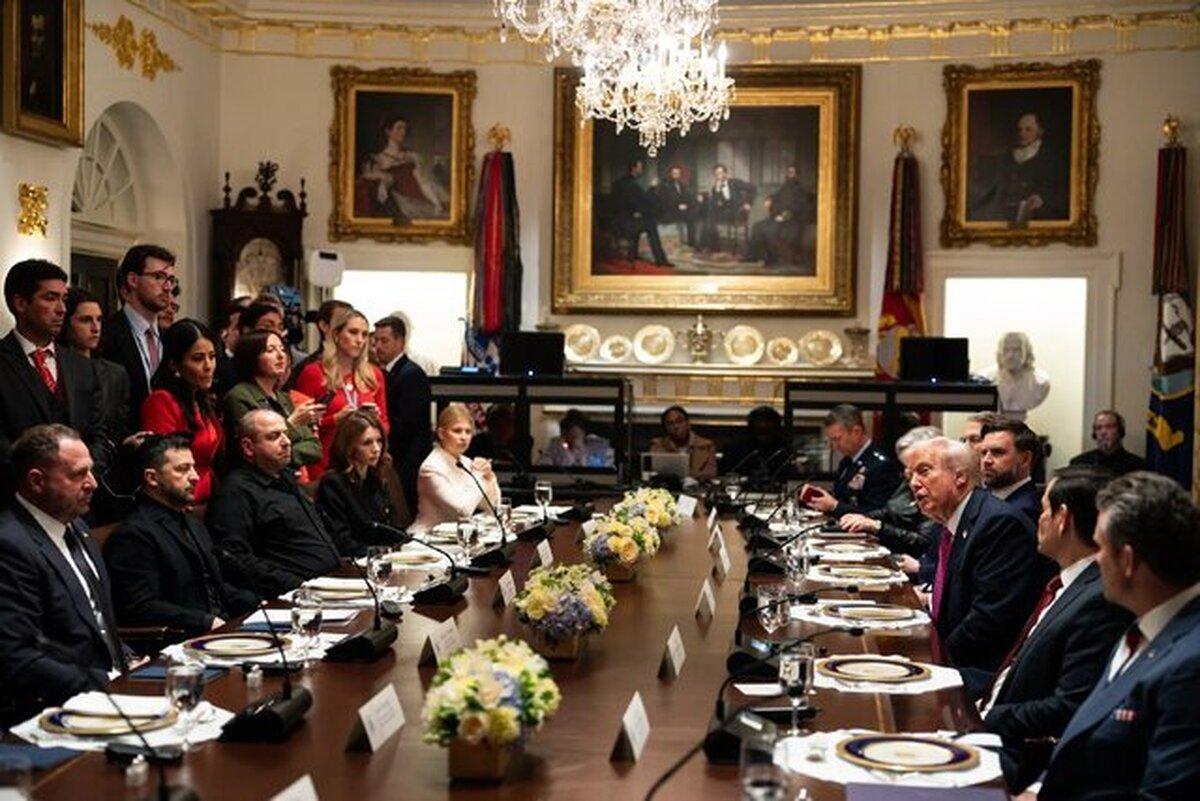
U.S. officials, including an Army delegation led by Secretary Dan Driscoll, are reported to have presented the draft to President Volodymyr Zelensky in Kyiv while Washington has publicly urged rapid agreement.

Several outlets describe Trump pushing a tight timetable and even suggesting Kyiv had little choice, with one report quoting him as saying "and if he doesn't like it then they should just keep fighting I guess."
The disclosure and fast push have prompted cross-regional alarm and intense diplomacy as European allies scramble to coordinate with Kyiv and the White House.
Draft peace plan measures
Reporting across outlets shows a consistent core of measures in the draft plan. The draft reportedly would bar Ukraine from joining NATO and cap or significantly reduce Kyiv's armed forces, with figures cited around 600,000 or cuts roughly in half. It would require Kyiv to recognize or effectively accept Russian control over Crimea and parts of Donetsk and Luhansk.
The plan would ban NATO troops and foreign combat aircraft. It proposes phased lifting of sanctions and using frozen Russian assets, around $100 billion, to fund reconstruction.

Some reports also describe political or legal mechanisms, such as rapid elections or a domestic 'Peace Council.' Other provisions would limit Kyiv's ability to attempt to retake annexed areas.
International reactions to proposal
The immediate reaction in Kyiv and among Western governments was sharp. Ukrainian leaders expressed alarm and described a grim choice. European capitals privately rebuked the U.S. for not consulting partners.
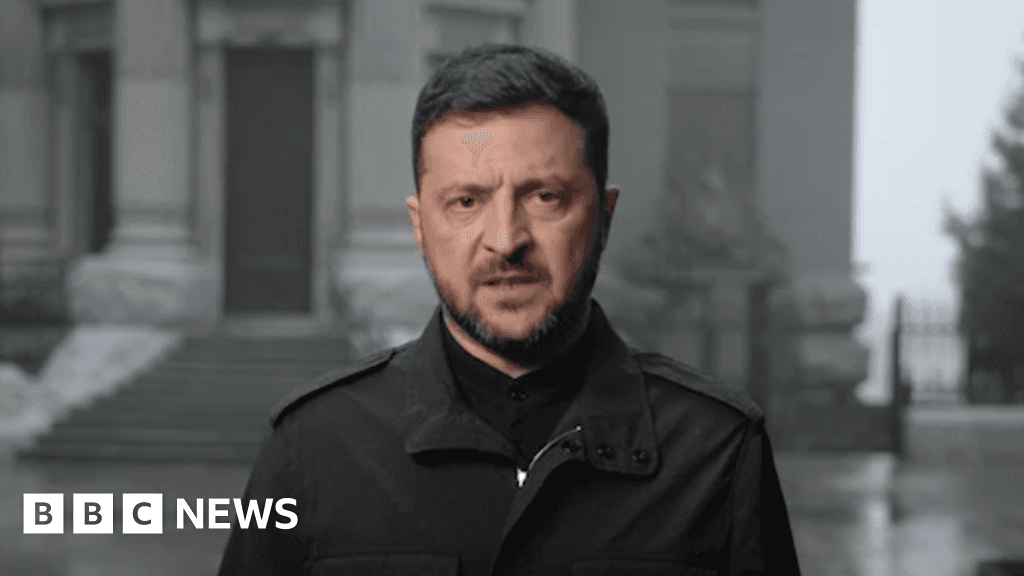
Moscow welcomed the text as a possible basis for negotiations. President Volodymyr Zelensky was quoted calling the moment one of the country’s most difficult and warning against any betrayal of sovereignty.
Ukraine’s negotiators insist they will not accept measures that violate red lines. German, French and British leaders reportedly reassured Kyiv of continuing support while pushing back on any elements that would undercut Ukraine’s ability to defend itself.
U.S. pressure on Kyiv
Coverage is divided over whether Washington applied coercive pressure, such as threats to withhold intelligence and weapons, and over how strongly to interpret public timelines.
Multiple outlets report U.S. officials warned Kyiv of potential cuts to intelligence-sharing and weapons unless it accepted the framework, though some U.S. officials dispute that those warnings constituted explicit threats.
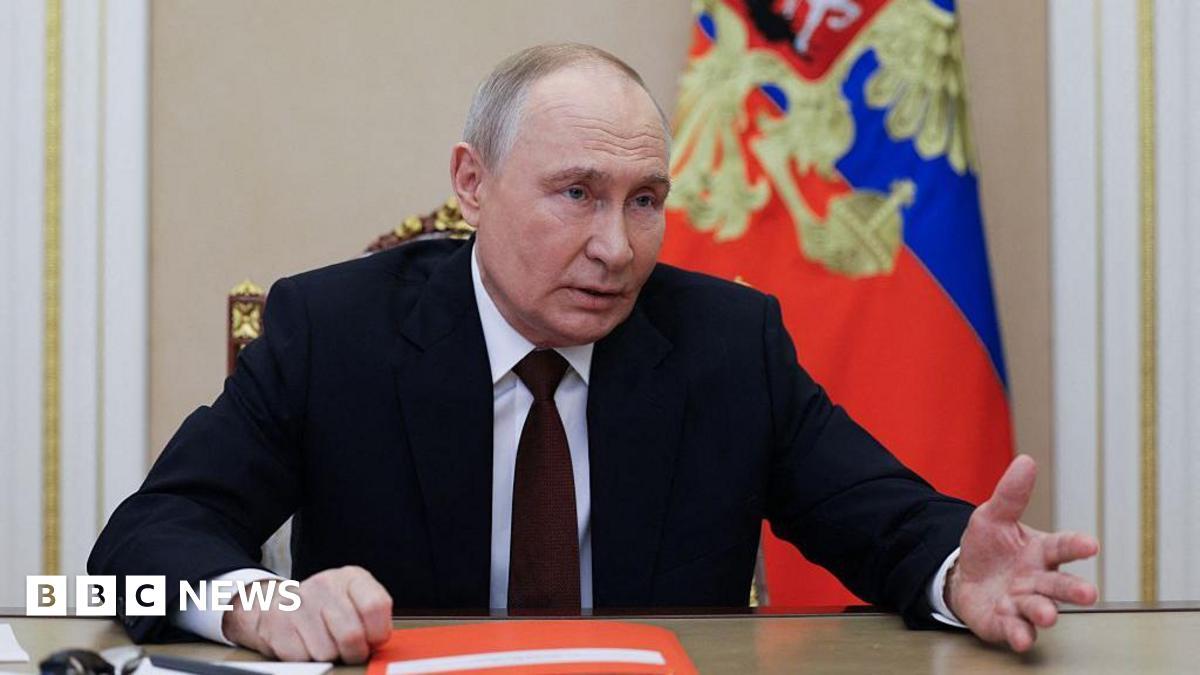
Reporting names specific U.S. envoys and figures pushing the plan—Army Secretary Dan Driscoll, Senator J.D. Vance, and other Trump allies—highlighting an unusually public, personalized U.S. push for a rapid settlement.
Media framing and discrepancies
Western mainstream outlets frame the episode as a diplomatic crisis and a test of allied coordination, emphasizing meetings, deadlines, and the possible loss of critical support. West Asian outlets emphasize regional diplomatic fallout and the exclusion of partners. Western alternative and Latin American outlets concentrate on authorship and leaks and portray the episode as political theater around Trump's dealmaking claims.
“A leaked 28‑point US peace plan, reportedly prepared under the Trump administration and publicly promoted by Donald Trump, has provoked anger and alarm in Ukraine.”
Tabloids use dramatic, visceral language to underscore shock in Kyiv. Reporting is inconsistent on key facts — exact troop caps, whether threats were formally issued, and who signed off on the draft — so readers should treat several claims as reported or alleged rather than settled.