Mexico09 January, 20262 min read
Trump Threatens U.S. Ground Attacks on Mexican Cartels
This article is an automated aggregation of coverage from news outlets. Our editorials offer in-depth analysis curated by the NewsCord team.
Trump canceled a planned second wave of U.S. attacks after Venezuela released political prisoners Trump said the U.S. will begin land-based military strikes targeting Mexican drug cartels
78 outlets told this the same way.
Trump's cartel strike plan
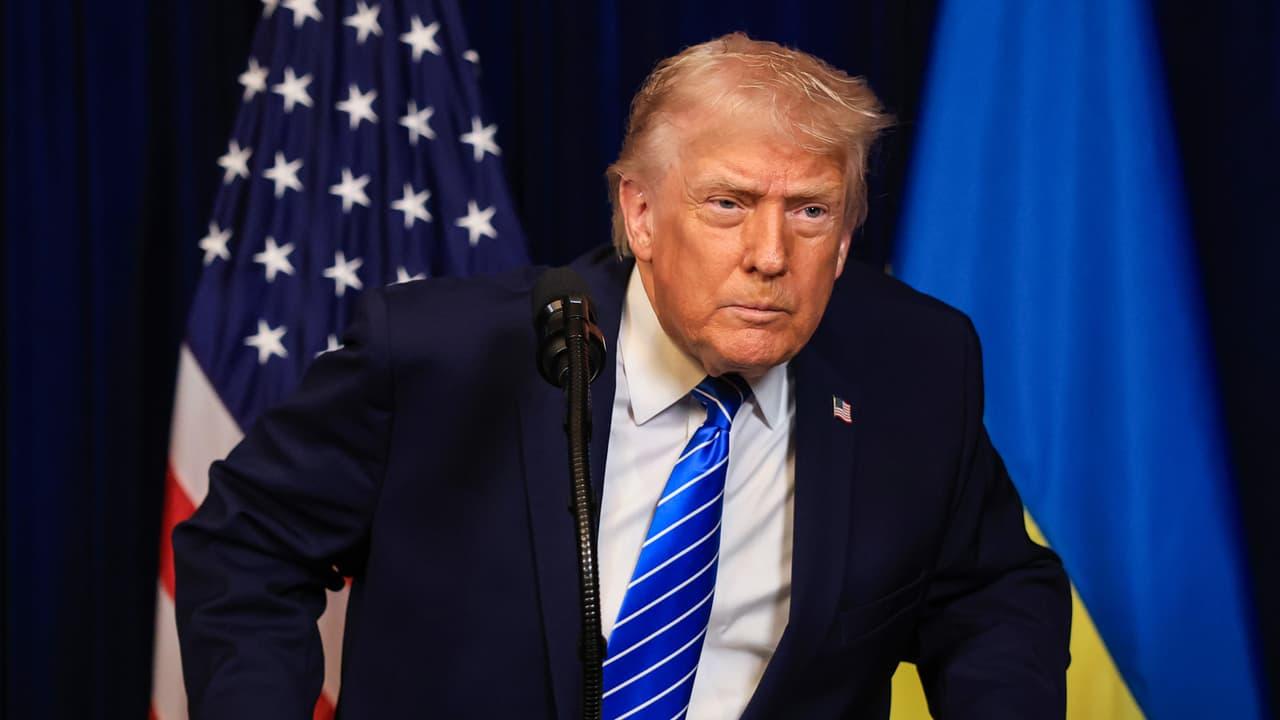
Former president Donald Trump told Fox News and other outlets he intends to "start hitting land" to target Mexican drug cartels, repeating that "we’ve knocked out 97% of the drugs coming in by water" and accusing cartels of "running Mexico." He claimed cartels "kill between 250,000 and 300,000 people each year" and said "a million Americans" had died over eight years.
“Former President Donald Trump said the U.S. will begin using military force ‘on land’ against Mexican drug cartels, accusing them of running Mexico and claiming — with figures experts say are widely contested — that cartels have caused hundreds of thousands of U.S. deaths per year and ‘a million Americans’ over eight years.”
Some outlets report those figures as part of Trump’s statements while others flag the numbers as widely contested or of unclear origin. Trump provided no operational details about where or how land strikes would occur.
U.S. maritime operations
Trump’s comments follow a period of intensified U.S. maritime operations and a high-profile, widely reported operation in Venezuela. Multiple outlets describe dozens of sea strikes since September — some reports tallying "about 30" or "more than 30" strikes that U.S. officials say killed well over 100 people, and other pieces put the number of vessel strikes higher.
Separate coverage reports a U.S. operation that allegedly removed Venezuelan leader Nicolás Maduro, a claim treated as a reported or contested event across sources. Advocates and legal analysts in several reports say the legality of cross-border or extraterritorial strikes is contested and that any land-based campaign would raise significant legal and political questions.

Mexico rejects foreign military intervention
Mexico’s government and regional actors responded to the remarks with sharp warnings about sovereignty and cooperation. Mexico’s President Claudia Sheinbaum and her government strongly rejected any foreign military intervention, reiterating that the Americas 'do not belong' to any single power and favoring bilateral cooperation and peaceful solutions.
“Mexico’s government strongly rejected any foreign military intervention; President Claudia Sheinbaum emphasized Mexico’s sovereignty and said her administration prefers bilateral cooperation and peaceful solutions.”
Other coverage notes that Mexico has cooperated with the United States on extraditions and law-enforcement actions even as it rebukes unilateral use of force. Analysts cited in multiple reports say unilateral U.S. strikes on Mexican soil would almost certainly deepen tensions and complicate hemispheric relations.
Constraints on U.S. land attacks
Legal, military, and political constraints surfaced across reporting, with critics and legal scholars saying land attacks on Mexican territory would likely require congressional authorization and carry risks of civilian casualties, political blowback, and escalation. Some analysts predict any U.S. kinetic action would stay near the border and target leaders rather than involve deep incursions. U.S. legislative pushback appears to be emerging: one outlet reports the Senate moved toward a resolution to limit further military actions without congressional approval in the Venezuela context, demonstrating how Congress could assert limits if a land campaign were proposed.
Media framing and tone
Mainstream Western outlets generally present the proposal as a high-stakes policy threat with legal and diplomatic pitfalls and emphasize missing operational details. Latin American outlets foreground sovereignty and rebukes from Mexico's government.
“The White House framed Trump’s comments as part of reasserting the Monroe Doctrine to curb migration and drug trafficking, while a Mexican political group aligned with the ruling Morena party condemned the statements as a threat to Mexico’s sovereignty.”
Some Western-alternative and tabloid pieces amplify sensational claims, including unverified reporting about Venezuela's leadership and vivid personal quotes from Trump, which other outlets treat as disputed or unconfirmed. That range of coverage means readers will encounter sharply different impressions depending on the outlet, from sober caution and legal scrutiny to sensational, politically charged reporting about captures and decisive military action.