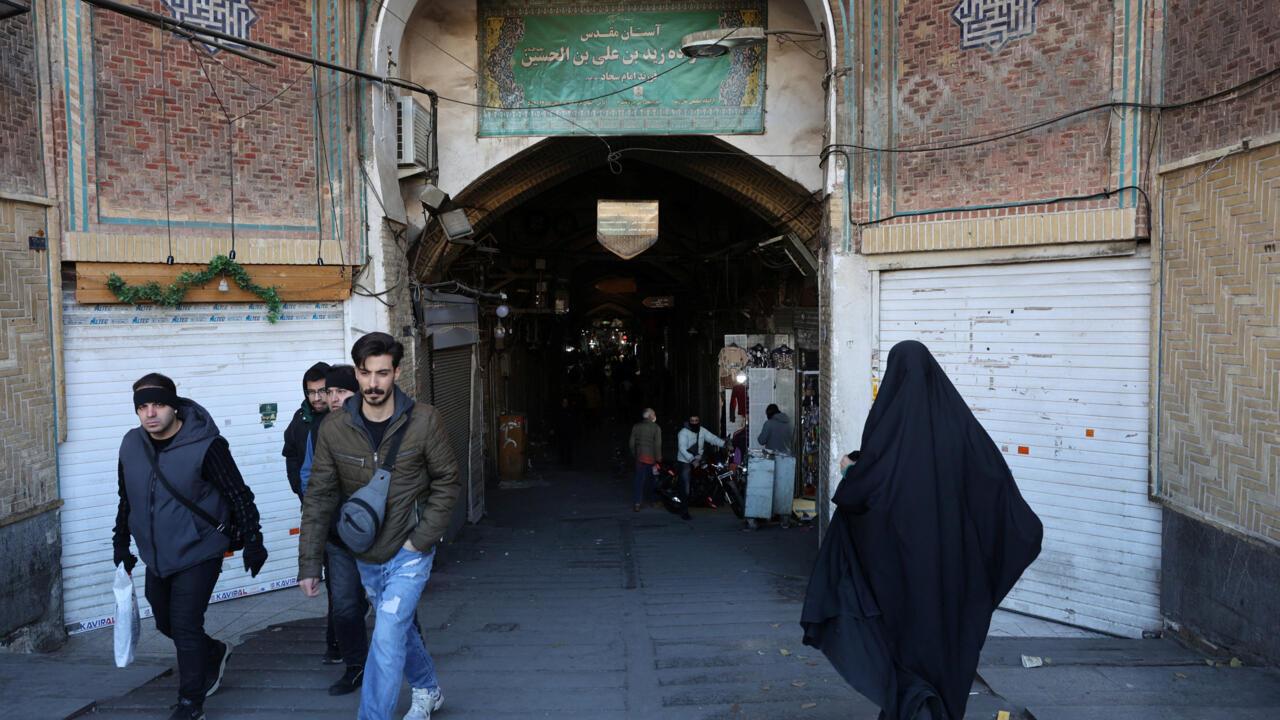
Iran-Israel01 January, 20263 min read
Trump Threatens U.S. Military Intervention If Iran Kills Peaceful Protesters
Donald Trump warned the U.S. will militarily intervene if Iran kills peaceful protesters Nationwide protests erupted over rising living costs, a collapsing rial, and economic hardship

27 outlets told this the same way.
Outlets did split on U.S. Intercepts Iran Message Activating Sleeper Cells After U.S.-Israel Strike Kills Khamenei →
U.S. warning on Iran unrest
On Friday, former US President Donald Trump posted on Truth Social a direct threat of American military intervention if Iran 'shoots and kills peaceful protesters,' writing that 'the United States will come to their rescue' and adding 'We are locked and loaded and ready to go.' thenationalnews described the comment as 'the most direct U.S. threat since demonstrations began,' framing it as an unusually explicit warning from Washington as unrest spread across Iran.
“On Friday, US President Donald Trump posted on Truth Social that if Iran shoots and kills peaceful protesters, the United States will ‘come to their rescue,’ adding, ‘We are locked and loaded and ready to go.’”
Several outlets placed Trump's comment amid rising regional tensions following reported strikes and diplomatic strain involving Iran, the United States and Israel. This summarizes the immediate US warning and situates the remark in the wider geopolitical context.

Protests over economic crisis
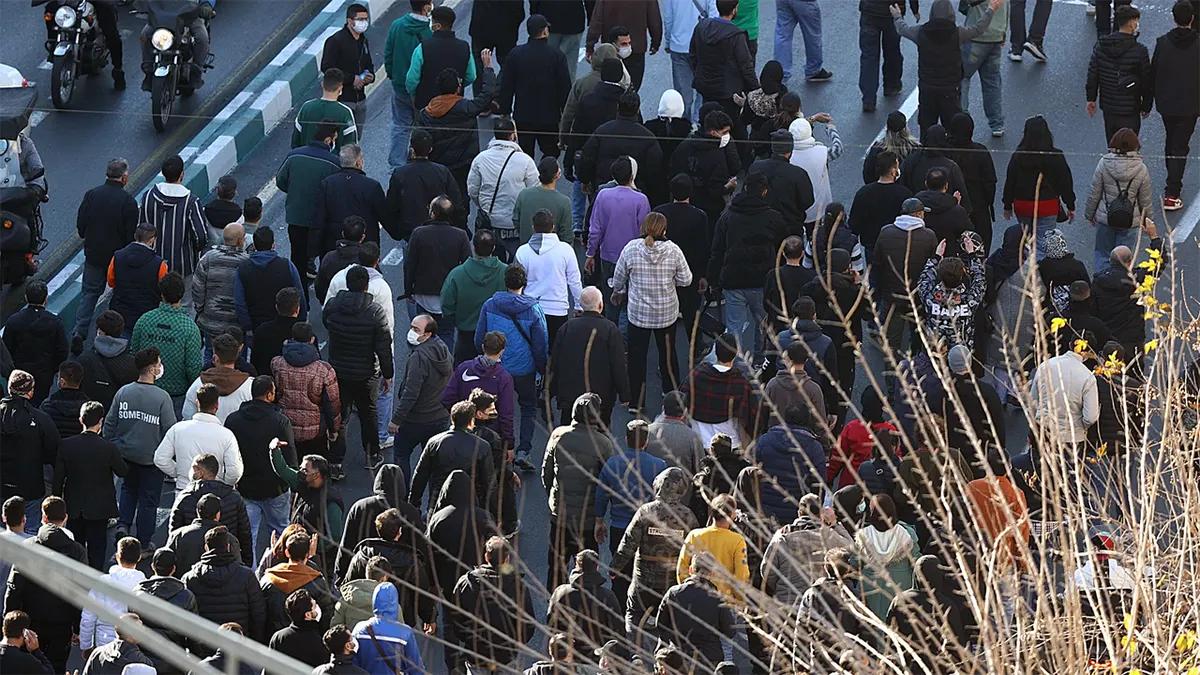
Protests began in Tehran over a collapsing rial and steeply rising living costs, then quickly spread to multiple provinces including Lur-populated western cities such as Kouhdasht, Azna and Lordegan, where clashes turned deadly. Reporters and analysts cite drivers of the unrest as soaring inflation, a collapsing currency and rising living costs, with outlets citing official inflation figures around 42–52% and dramatic falls in the rial on open markets.
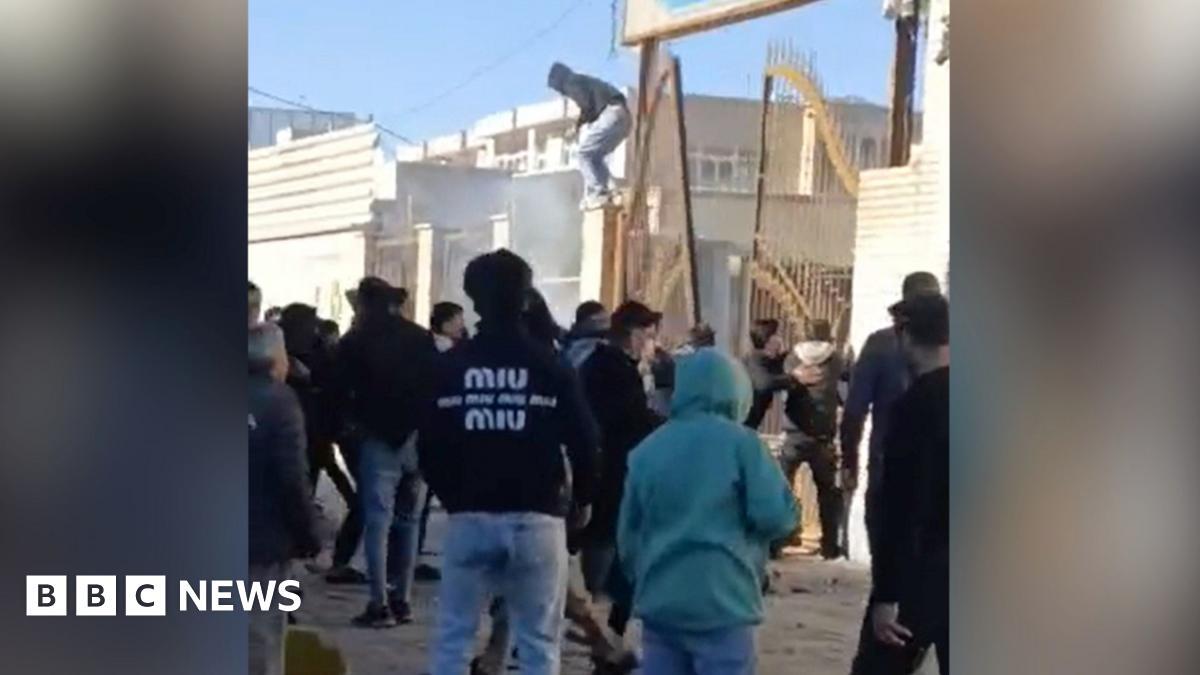
Multiple sources report fatalities and violent confrontations: France 24 and WANA say a 21-year-old Basij member was killed in Kouhdasht, and NDTV and Arise News report several protesters killed in Azna, Lordegan and other towns. Rights groups and activists told The Guardian and other outlets that security forces fired on demonstrators in some locations.
Narratives of Iranian unrest
Iranian state media and provincial officials have framed at least some of the violence as actions by 'rioters,' while the government - led by President Masoud Pezeshkian - has offered to listen and hold talks with unions and merchant representatives. State and Basij-linked outlets and a deputy governor said the Kouhdasht death was a Basij volunteer and blamed 'rioters,' and officials reported arrests and seizures of weapons in some towns. At the same time, rights groups and eyewitnesses cited by The Guardian, NDTV and others dispute official accounts and say security forces fired on demonstrators in certain places, creating conflicting narratives on who opened fire or caused fatalities.
“State media IRNA and the Basij‑linked Student News Network, citing Deputy Governor Saeed Pourali, blamed ‘rioters’ and said 13 other Basij and police were injured.”
Conflicting casualty reports
Reporting on casualty numbers and responsibility for the killings is inconsistent across outlets. Some sources (for example The Kenya Times, vocal.media and The Sunday Guardian) report totals as high as seven dead and cite provincial officials' counts. Other outlets (NDTV, France 24, Arise News) list specific deaths by location and note rights groups naming victims or blaming security forces.
Rights groups such as Hengaw and activist footage cited by The Guardian and Arise are used to support claims that live ammunition was fired. State and semi-official agencies attribute the violence to 'rioters' and report arrests and weapons seizures. The available materials show clear disagreement and limited independent verification of many specific claims.
Post-bombing tensions and fallout
Immediate implications remain uncertain: some sources warn that Trump’s public threat could inflame tensions and complicate diplomatic openings after reported bombings of nuclear sites, while others highlight domestic political fallout in Tehran and the government's mixed posture of offering dialogue while warning of decisive force.
“Following recent bombings of Iranian nuclear sites, Tehran says it has stopped enriching uranium at any location and is framing that step as an opening for negotiations to ease sanctions — but talks have not taken place amid warnings from U.S. President Donald Trump and Israeli Prime Minister Benjamin Netanyahu.”
Because sources report differing casualty totals, offer competing attributions for who fired the lethal shots, and place different emphasis on the regional military context, a definitive account of the protests' human toll and the likely international response cannot be established from the available reporting alone.