Protests02 January, 20262 min read
Trump Threatens U.S. Military Intervention If Iran Kills Protesters, Says 'Locked and Loaded'
At least seven people killed nationwide in protests over Iran's economic crisis Protests spread beyond Tehran, clashing with security forces and paramilitary Basij
21 outlets told this the same way.
Outlets did split on France Suspends Police Stun Grenades at High School Protests After 15-Year-Old Loses Hand →
Trump warning over Iran unrest
Former U.S. President Donald Trump issued a public warning on Truth Social that the United States was 'locked and loaded' and would 'come to [the protesters'] rescue' if Iranian authorities used lethal force against demonstrators.
“US President Donald Trump warned Iran in a Truth Social post early Friday that the United States is ‘locked and loaded’ and prepared to intervene if the Iranian government uses force against protesters. Trump said the US ‘will come to their rescue’ if Iran shoots and kills peaceful demonstrators; the warning comes amid growing unrest across Iran.”
Multiple outlets reported the message, which was repeated amid a renewed wave of unrest in Iran.
Media reports noted the warning was framed as a readiness to intervene if Iran 'shoots and kills peaceful demonstrators,' and it came as protests, described in some coverage as the largest since 2022, spread beyond Tehran to numerous provinces.
Several outlets presented the warning as a new geopolitical factor layered onto a crisis driven largely by economic collapse, soaring inflation and a plunging rial.
The comments drew swift pushback from Iranian officials and were widely reported alongside accounts of clashes and fatalities during the unrest.
Surge of protests in Iran
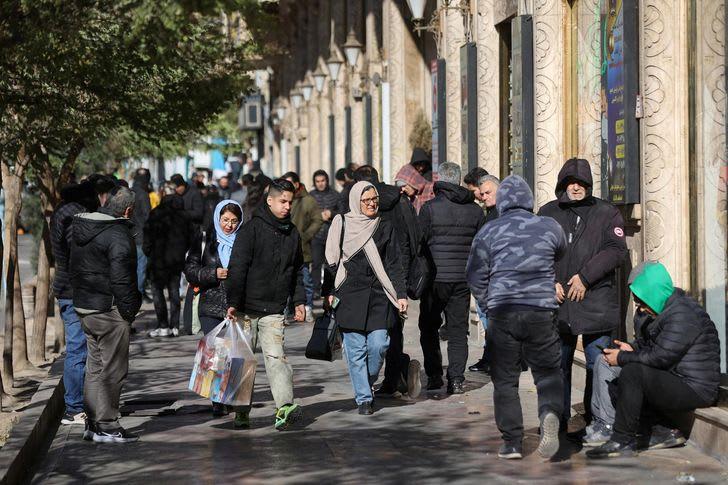
A major surge of protests across Iran was driven by sharp economic pain, with official inflation figures above 40 percent, a collapsing rial, and widespread anger over living costs. Reports describe the unrest as beginning with shopkeepers and bazaars in Tehran and rapidly spreading to provinces including Lorestan, Isfahan, Khuzestan, and others. University students and workers joined demonstrations, while merchants staged strikes or closed shops.
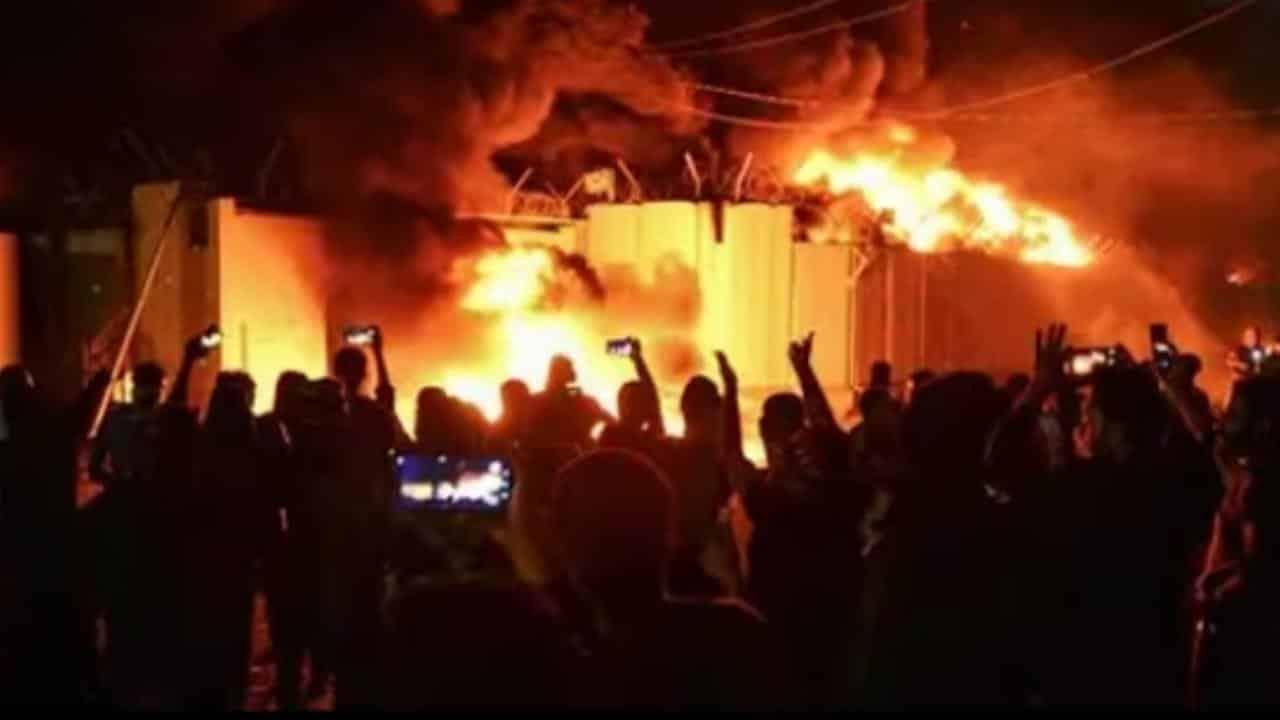
Eyewitness and activist-sourced reports, noted where independent verification is limited, describe burning vehicles, closed markets, and chanting crowds. Multiple outlets report violent clashes and fatalities in several provinces.
&w=1920&q=75)
Iranian responses to unrest
Iranian officials and hardline figures responded forcefully to both the unrest and Trump's warning. Senior advisers including Ali Larijani and Ali Shamkhani accused foreign actors of fomenting unrest and warned against U.S. interference. They framed outside warnings as dangerous and likely to inflame regional tensions.
“Hardline officials, including Ali Larijani and adviser Ali Shamkhani, accused the US and Israel of fomenting the unrest and warned against foreign intervention...”
Iran's president vowed a 'harsh and discouraging' response to any aggression. At the same time, state-affiliated outlets and the IRGC acknowledged casualties and reported attacks on security personnel. Activists and rights groups alleged security forces used live ammunition and that some fatalities were protesters.
Reporting on regional unrest
Observers and analysts emphasize the broader regional and historical context, with some outlets comparing the scale and dynamics to the 2022 protests after Mahsa Amini’s death and pointing to recent military exchanges between Iran, Israel and the U.S. as factors that have heightened tensions. Reporting highlights the risk that foreign statements, such as Trump’s, could amplify domestic grievances into a wider geopolitical crisis, while other coverage underscores that immediate triggers remain economic hardship and state responses on the ground. Verified video evidence and activist claims are used unevenly across outlets, producing differing tones that range from urgent warnings about regional escalation to human-centered reporting on protesters’ grievances and casualties.