Iran-Israel12 January, 20262 min read
Trump Threatens U.S. Military Strikes After Iranian Security Forces Massacre Hundreds of Protesters
This article is an automated aggregation of coverage from news outlets. Our editorials offer in-depth analysis curated by the NewsCord team.
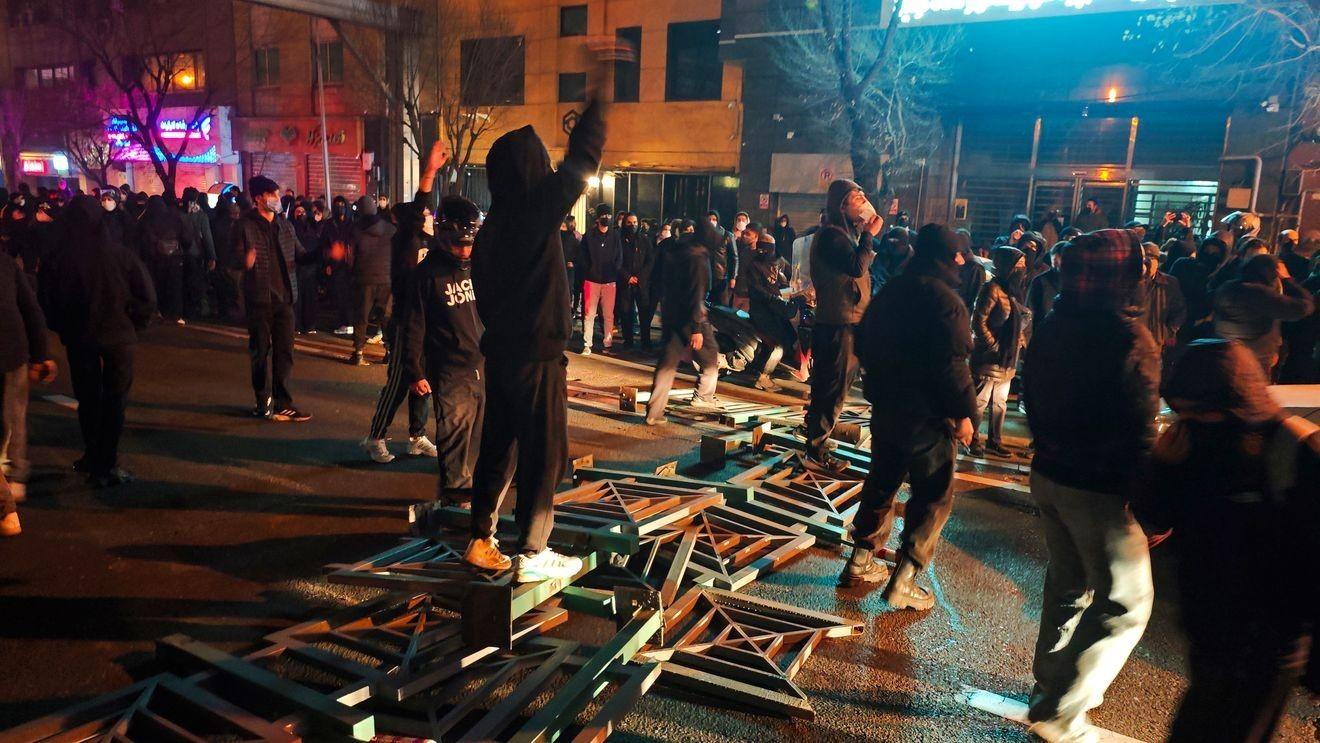
Iranian security forces killed hundreds of protesters during a violent crackdown President Trump threatened U.S. military strikes and said strong options are under review
7 outlets told this the same way.
Outlets did split on U.S. Intercepts Iran Message Activating Sleeper Cells After U.S.-Israel Strike Kills Khamenei →
Crackdown and casualties in Iran
Mass protests across Iran have been met with a severe security crackdown that rights groups and eyewitnesses say left hundreds dead. Reports cite graphic footage and family testimony, including one clip described as showing roughly 180 body bags outside a Tehran medical centre. Victims identified include 23-year-old Kurdish fashion student Rubina (Robina) Aminian, who was reportedly shot in the head after joining a street protest.
“Graphic footage and family testimony show mass casualties — one clip reportedly shows roughly 180 body bags outside a Tehran medical centre — and relatives forced to search makeshift mortuaries for loved ones.”
Rights groups and some outlets place the death toll at about 500. Authorities have severed internet access in parts of the country, complicating independent verification and creating a communications blackout that limits coverage even as some footage circulates via VPNs or intermittent connections.
Trump warns Iran
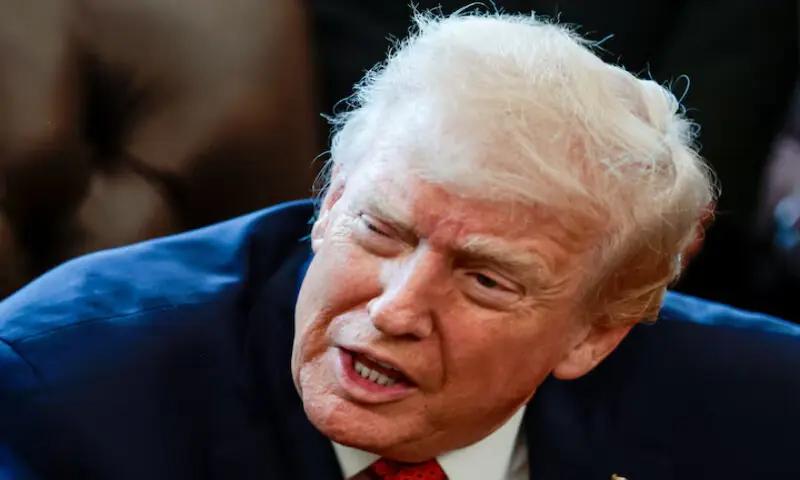
President Donald Trump publicly warned Iran that it was approaching a 'red line' and said the US was 'looking at some very strong options'. Multiple outlets reported that military strikes were under consideration, but no final decision had been taken.
Trump used similar language aboard Air Force One and on social platforms, telling reporters and posting on Truth Social that protesters are 'looking at freedom' and that the situation was being taken seriously. US officials and State Department posts were quoted to reinforce the administration's tough rhetoric.

Military options and risks
Analysts and some outlets point to both the practicality and precedent of military options. News18 notes the US has previously carried out strikes on Iranian sites, including June attacks that used bunker‑buster bombs on the deep‑underground Fordow nuclear facility. Aaj English TV reminded readers of US actions such as strikes tied to Qassem Soleimani.
“U.S. military strikes short of a full invasion are unlikely to stop Iran’s ongoing repression, analysts say — 'how many police stations can the United States bomb?' one expert asked — and may even be counterproductive.”
At the same time, other analysts warn that limited strikes short of invasion may be counterproductive and could strengthen the regime domestically. They also say such strikes would not address the underlying repression or the economic drivers of unrest.
Iran: protest causes and reactions
Inside Iran, outlets highlight entrenched repression, from strict dress laws that helped spark 2022 protests to high execution rates, bans on major social platforms, and persecution of journalists; this environment shapes both protesters' grievances and the authorities' harsh response. WLOS reports that analysts say meeting protesters' demands would require deep economic reforms likely to provoke further unrest.
The BBC describes the country's tight media controls and emphasizes the role of sanctions and economic hardship. The domestic situation is also reflected in diaspora reactions, including demonstrations in cities like London and diplomatic rows such as Iran summoning the UK ambassador over a protest that state media called 'desecration' of its flag.

Media coverage and uncertainty
Coverage shows starkly different emphases and notable uncertainties, with some outlets presenting graphic casualty claims and imminent military rhetoric. Analysts and mainstream outlets warn of limited effectiveness, escalation risks, and constrained verification because communications have been cut.
“U.S. military strikes short of a full invasion are unlikely to stop Iran’s ongoing repression, analysts say — 'how many police stations can the United States bomb?' one expert asked — and may even be counterproductive.”
Iran's foreign minister has reportedly warned it is 'ready for war if attacked,' underlining the high stakes and the possibility of rapid escalation. Given the communications blackout and competing narratives, including tabloid-style casualty reporting, administration rhetoric, and analytical caution, independent confirmation remains limited and the situation is ambiguous on critical points such as exact casualty counts and imminent operational plans.
