Iran-Israel09 January, 20263 min read
Trump Threatens U.S. Military Strikes If Iranian Regime Shoots Protesters
President Trump threatened U.S. military strikes if Iranian authorities kill protesters. Mass protests have spread nationwide across Iran, drawing tens of thousands into streets.

17 outlets told this the same way.
Outlets did split on U.S. Intercepts Iran Message Activating Sleeper Cells After U.S.-Israel Strike Kills Khamenei →
Trump's warnings to Iran
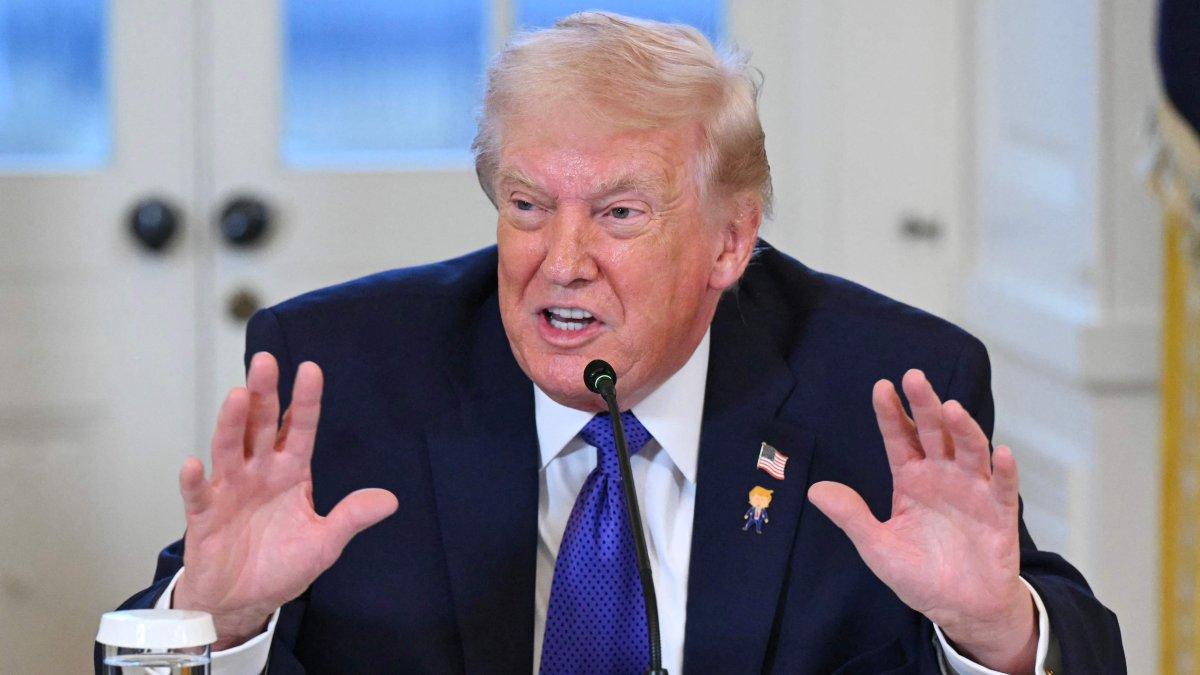
President Donald Trump publicly warned Iran on multiple occasions that the U.S. would take strong military action if Iranian security forces used lethal force against protesters, coupling blunt rhetoric with a caveat against ground invasion. West Asian outlet Daily Sabah reports Trump told reporters, 'You better not start shooting because we'll start shooting too,' and added the U.S. would respond by 'hitting them very, very hard where it hurts' while saying this would not mean 'boots on the ground.' Western-alternative Newsmax similarly recorded Trump's warning—quoting him, 'You better not start shooting...Because we'll start shooting, too'—and noted his Truth Social post that the U.S. is 'locked and loaded and ready to go.'
“You better not start shooting because we'll start shooting too,’ and said the U.S. would respond by ‘hitting them very, very hard where it hurts’ ... adding that this would not mean ‘boots on the ground.’”
Western mainstream DW summarized the stance as: Trump said Iran is 'in big trouble,' warned he could order strikes if security forces kill protesters, and stressed any U.S. response would avoid deploying ground troops while striking targets 'where it hurts.' These accounts establish a consistent core message — threats of strikes tied to repression — while varying in wording and emphasis.
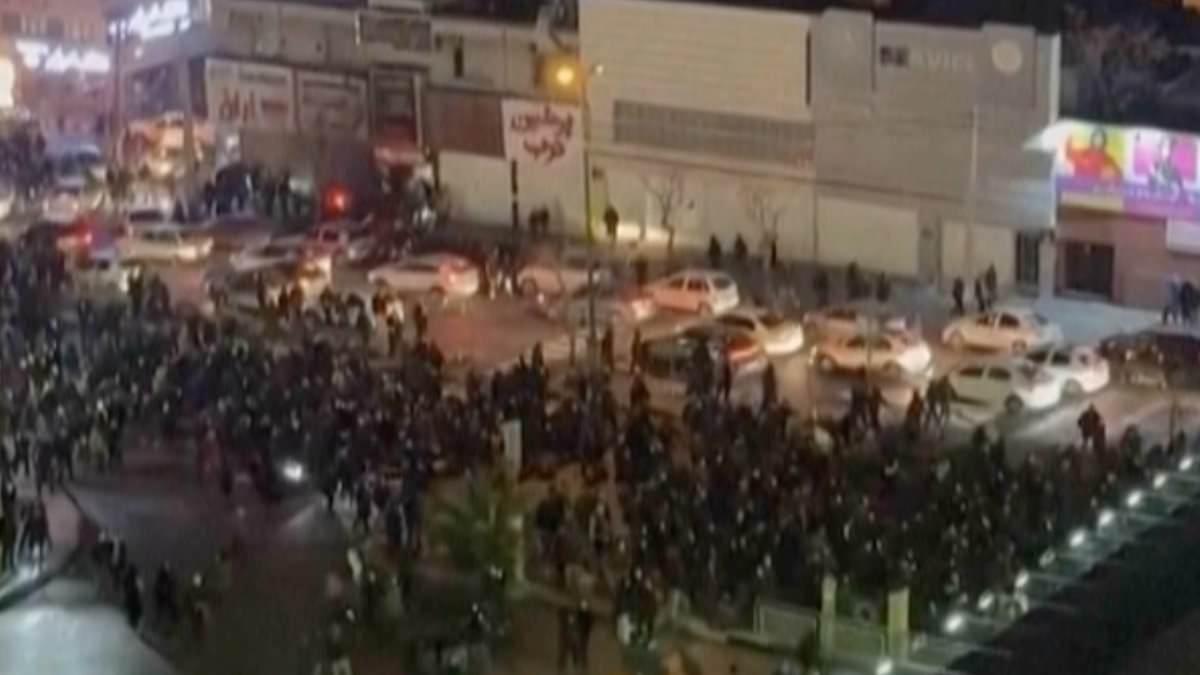
Iran protests and crackdown
Warnings came amid a wave of nationwide protests sparked by economic grievances and broader political discontent. Reports indicated a severe security response and major communications blackouts. The Western tabloid Daily Mail described the unrest as 'Iran is facing its biggest and most sustained protests in years' and said protests were reported in 348 towns across all 31 provinces, while noting disputed casualty and arrest figures with rights groups giving higher tallies than official counts.
DW reported scenes of mass rallies and footage showing fires, and verified claims that mosques, banks and government buildings were set alight. It also cited Nobel laureate Shirin Ebadi saying hospitals were overwhelmed and that roughly 400 people had been taken to one Tehran hospital with severe eye injuries from pellet guns. Asian outlet Hindustan Times reported widespread demonstrations across all provinces, with rights groups citing dozens killed and thousands arrested.
The Sunday Guardian and Daily Mail documented a nationwide internet and mobile-data blackout reported by NetBlocks. Together, these sources describe a large, fast-spreading movement met by a harsh, information-restricting security response.
International reactions to unrest
International responses were mixed: governments and rights bodies decried violence and called for restraint while the U.S. president threatened targeted strikes if protesters were killed. The Independent reported UN rights chief Volker Türk said he was deeply disturbed by reports of violence and the communications shutdown. The Independent also quoted Iran's foreign minister Abbas Araghchi dismissing the risk of foreign military intervention as very low.
“UN rights chief Volker Türk said he was ‘deeply disturbed’ by reports of violence and the communications shutdown.”
DW recorded joint condemnations from Germany, France and the U.K., urging protection of citizens' rights. Newsmax underscored former President Trump's praise for protesters and his "locked and loaded" posture.
West Asian outlets Daily Sabah and PGurus emphasized the U.S. warning that it would take very hard action if lethal force were used, while repeating Trump's insistence that such action would not include ground troops. Iran's leadership pushed back domestically, with The Sunday Guardian reporting Ayatollah Khamenei calling demonstrators 'vandals' serving foreign powers.
Conflicting views on Iran unrest
Analysts and sources differ on how existential the challenge to Iran's leadership is and whether foreign military intervention is plausible. Several outlets describe this wave as one of the broadest in recent years. Hindustan Times called it one of Iran's broadest protest movements in recent years, and the Daily Mail said the protests represent the most widespread challenge to Iran's clerical leadership in years, with analysts calling regime collapse possible but not certain.
Newsmax cited a recent U.S. intelligence assessment finding the protests were not large enough to threaten Supreme Leader Ali Khamenei's hold on power, and The Independent quoted Iranian foreign minister Abbas Araghchi as saying the risk of foreign military intervention was very low. The sources therefore present a spectrum, from reports of large, consequential domestic unrest to intelligence and official views that minimize the immediate prospects of rapid regime collapse, leaving the outlook uncertain.
