Iran-Israel15 January, 20262 min read
Trump Threats Force Iran To Halt Plan To Execute 800 Protesters
This article is an automated aggregation of coverage from news outlets. Our editorials offer in-depth analysis curated by the NewsCord team.
President Donald Trump threatened military strikes over Iran's crackdown on protesters Iran's judiciary announced Erfan Soltani will not be sentenced to death

37 outlets told this the same way.
Outlets did split on U.S. Intercepts Iran Message Activating Sleeper Cells After U.S.-Israel Strike Kills Khamenei →
Iran execution pause reports
U.S. officials and the White House say Iran backed away from plans to execute roughly 800 protesters after direct threats from former President Donald Trump. U.S. spokespeople framed the pause as the result of diplomatic and military pressure and stressed that 'all options' remain available. France 24 reported a White House spokesperson saying Iran had 'backed away from plans to execute 800 protesters after threats of intervention from President Donald Trump.'
“A White House spokesperson said on Thursday that Iran had backed away from plans to execute 800 protesters after threats of intervention from President Donald Trump, but added that the United States still has ‘all options’ on the table.”
DW and NBC noted Trump said he was told there was 'no current plan' for mass executions and that killings had eased. Several outlets also reported that the U.S. moved assets and personnel in the region and imposed sanctions as part of its response.
Soltani case coverage
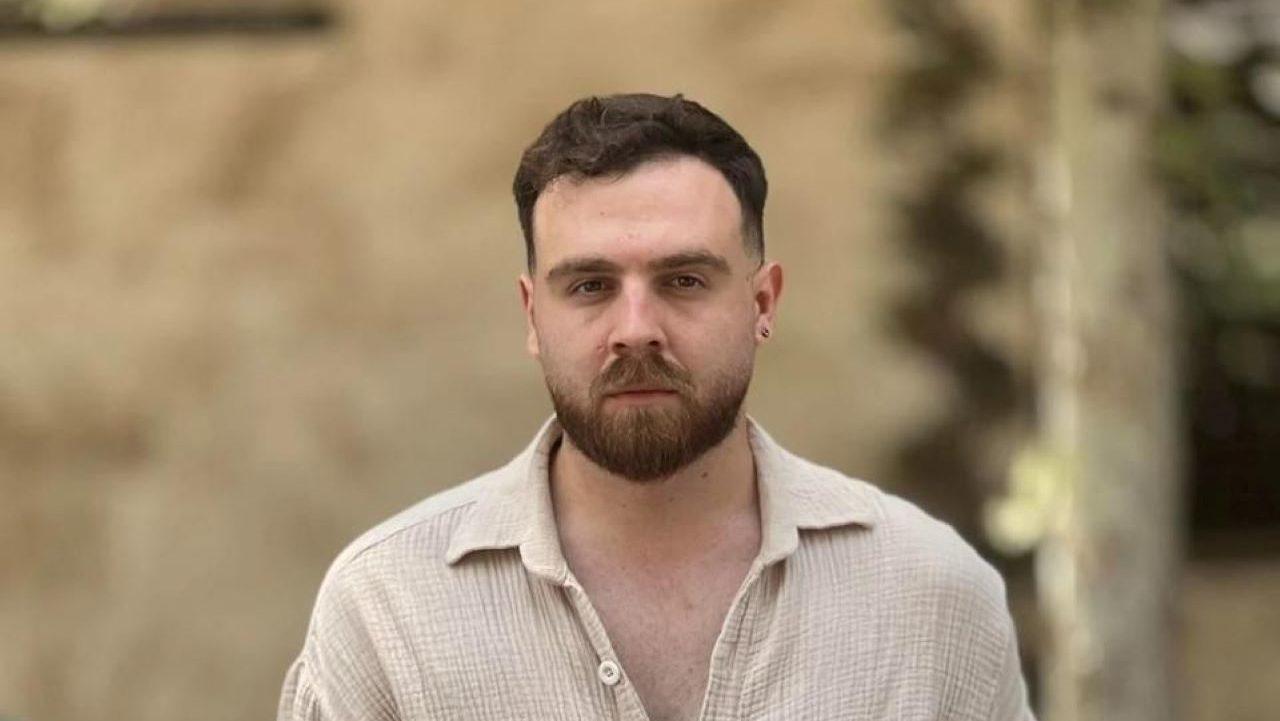
The reported reprieve crystallized around the case of 26‑year‑old detainee Erfan Soltani, whose fate drew international attention and prompted competing claims. Multiple outlets—DW, the-star.co.ke, Daily Mail and Dynamite News—reported that Iran’s judiciary said Soltani "has not been sentenced to death" and that the charges he faces do not carry the death penalty. Rights groups such as Hengaw and HRANA warned he lacked legal representation and could be at risk, and that contrast between judicial denials and rights-group alarms became a focal point cited by both U.S. officials and media coverage.
U.S. response and regional reactions
Western outlets reported a stepped-up U.S. military posture and sanctions response. NBC News said Pentagon forces and equipment — including a carrier strike group, aircraft and land-based air defenses — were being sent to the Middle East and that key personnel were being evacuated. DW and The Guardian detailed U.S. sanctions targeting Iranian security officials.
“U.S. officials told NBC News the Pentagon is sending additional forces and equipment to the Middle East — including a carrier strike group, more aircraft and land-based air defenses...”
Some media noted that Gulf states and other regional actors lobbied to avoid a U.S. strike. U.S. officials continued to say "all options" remained on the table even as Trump publicly indicated a de-escalatory restraint.
Disputed casualty figures
Reporting differed sharply on casualty figures, the scale of repression and the role of communications blackouts. Rights groups and several outlets (The Guardian, Geelong Advertiser, The Australian, eNCA) cited Norway-based Iran Human Rights and HRANA figures putting the death toll in the thousands, for example 3,428 deaths.
Others (NBC, Euronews) reported lower official or activist tallies around 2,500-2,572, and some insider claims suggested much higher numbers. Many pieces stressed that internet shutdowns and restricted access have hindered independent verification and may conceal further abuses.
Diplomacy, Markets and Claims
Beyond immediate politics and security posturing, regional diplomacy, market reactions and alarming local practices were also highlighted. Multiple outlets including The Australian, Geelong Advertiser and Oman Observer reported Gulf states and Switzerland intervening diplomatically to prevent escalation. Markets reacted, with oil prices falling after Trump said executions had been paused, according to outlets such as the Daily Mail and VT.
“Authorities have told families that bodies will only be released in the early hours and that funerals must be individual and finished by 4 a.m., warning that refusal could lead to relatives being buried collectively without consent... officials are also demanding payment 'for the bullets' used to kill protesters — between 700 million and 2.5 billion rials per bullet...”
Separately, Iran International reported a disturbing claim that authorities were demanding payment 'for the bullets' used to kill protesters when releasing bodies. That allegation was not corroborated by other outlets and underscores the wide range of reporting from frontline regional sources to Western mainstream and tabloid outlets.
