USA10 December, 20252 min read
Trump Touts Affordability Gains, Unleashes Wide-Ranging Tirades at Pennsylvania Rally
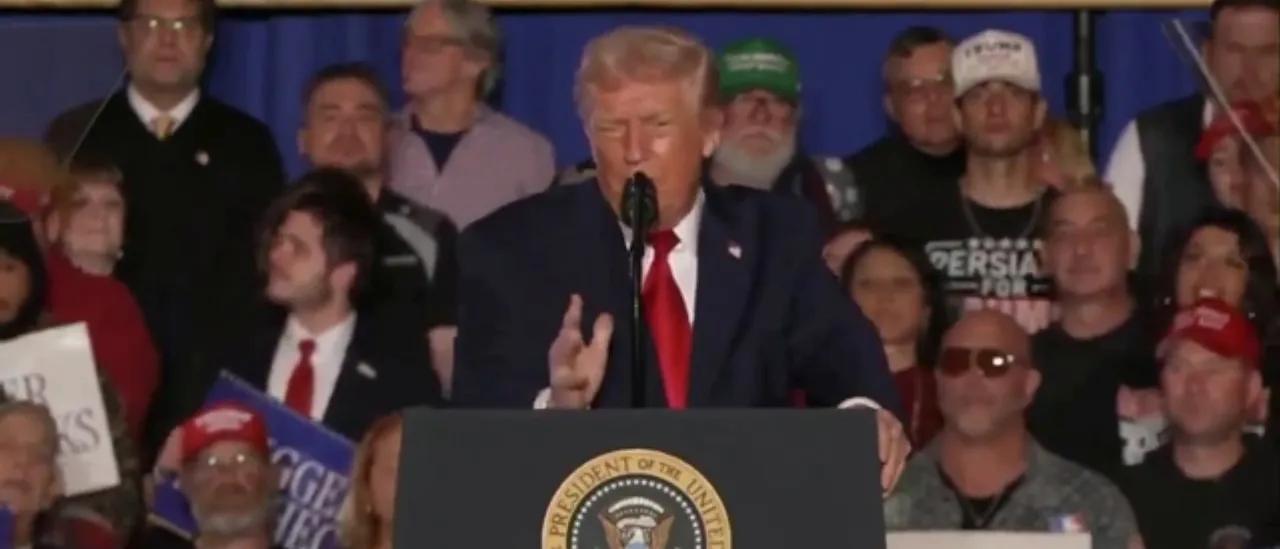
Trump claimed consumer prices are falling 'tremendously' and credited tariffs for lowering household costs. Trump held a campaign-style rally in Mount Pocono, Pennsylvania, to promote his affordability message.
16 outlets told this the same way.
Outlets did split on Trump Interrupted by Protesters at San Antonio Rally for Ken Paxton →
Trump affordability rally remarks
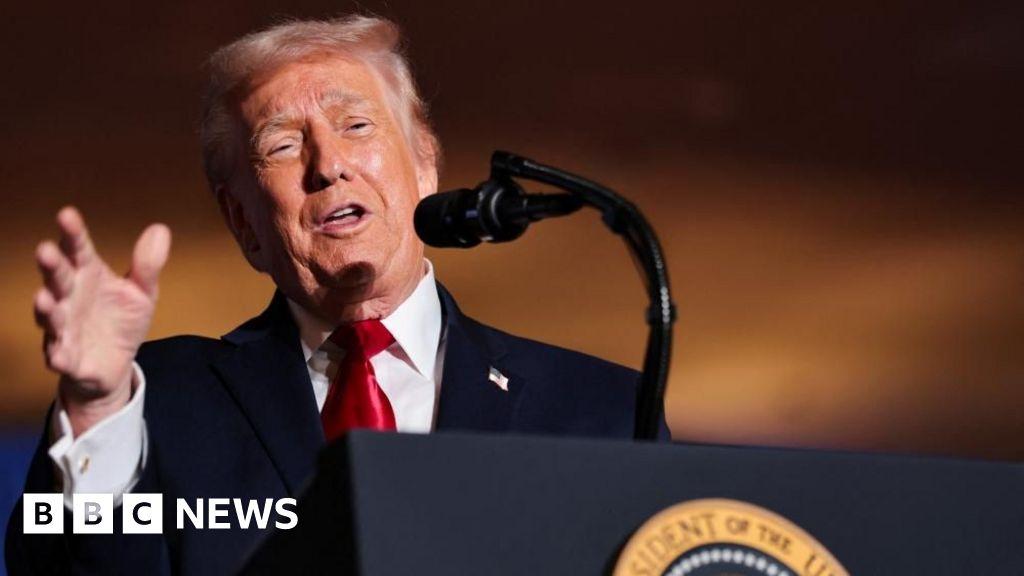
At a campaign-style rally in Mount Pocono, Pennsylvania, President Trump promoted a new 'Making America AFFORDABLE Again' message. He insisted consumer prices are 'coming down tremendously' and cited lower rents and dairy prices. He also claimed Thanksgiving turkey costs are 'down 33% from the Biden-era high.'
He framed tariffs, domestic energy and immigration changes as pillars of his affordability pitch. Speaking for more than 90 minutes, he repeatedly dismissed public worries about the cost of living as a Democratic 'hoax.'
Tariffs and manufacturing claims
A central feature of Trump’s economic pitch was an unabashed defense of tariffs and domestic industry. He claimed tariffs have brought in "hundreds of billions, really trillions". He credited them with spurring investment and bringing back factories and steel jobs in states such as Pennsylvania.
Supportive local reporting echoed that message as part of a wider energy and manufacturing revival theme. Other outlets noted economists and businesses had warned tariffs could raise consumer costs or harm hiring.
Rally policy and attacks
Beyond the economic talking points, the rally was punctuated by wide-ranging attacks and policy asides.
“He claimed a ‘reverse migration’ is producing more jobs, better wages and higher incomes for American citizens, and asserted that since he took office ‘100% of all net job creation’ has gone to U.S. citizens rather than migrants.”
He touted a "reverse migration" as producing U.S. job gains and asserted that "100% of all net job creation" has gone to U.S. citizens rather than migrants.
He defended expanded drilling with a "Drill, baby, drill" approach and derided political opponents and foreign figures.
Reporters and local outlets noted the event often wandered off the central affordability theme into immigration, Europe and personnel updates such as remarks about Staff Sgt. Andrew Wolfe.
Healthcare and price claims
On health care and consumer-cost specifics, Trump attacked Obamacare, urged people to "buy your own health insurance," and backed measures to channel assistance through health savings accounts rather than extend ACA subsidies. He also pointed to fuel and food-cost moves from the administration as part of affordability fixes.
Reporting ranges from supportive factoids; for example, the Daily Caller cited an estimate of a cheaper Thanksgiving meal. Other outlets pushed back, with RawStory saying "prices themselves haven't fallen" and accusing Trump of repeatedly and falsely claiming that grocery, gas and other prices have gone down, while the BBC and Straits Times note mixed data on inflation and price trends.

Rally coverage and polls
The political framing and likely effects of the rally drew different emphases across outlets.
“A Gallup poll found just 36% of voters approve of his performance, his lowest rating this term.”
The Independent emphasized weak public approval, reporting that just 36% of voters approve and many respondents said the cost of living is worse.
BBC and The Straits Times cited slightly higher approval figures (Reuters/Ipsos 41%) but also noted low ratings on handling the cost of living.
Local and campaign coverage focused on translating presidential messaging into retail campaigning as Pennsylvania prepares for competitive contests.
Critics, including Gov. Josh Shapiro, said Trump was deflecting blame for rising prices.