Britain21 January, 20263 min read
Trump U-Turns on Chagos Deal to Pressure UK Over Greenland, Starmer Says
This article is an automated aggregation of coverage from news outlets. Our editorials offer in-depth analysis curated by the NewsCord team.
Former President Trump called the Chagos agreement 'an act of great stupidity'. UK cedes Chagos sovereignty to Mauritius while retaining Diego Garcia under a 99–100 year lease.

7 outlets told this the same way.
Chagos sovereignty dispute
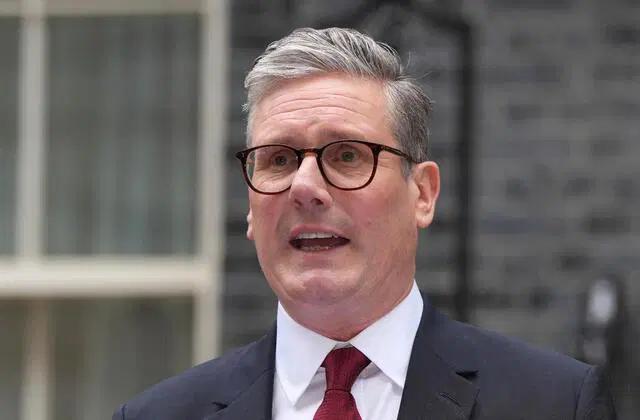
Former US president Donald Trump publicly reversed his earlier tacit clearance of a UK plan to transfer sovereignty of the Chagos Islands to Mauritius. He attacked the arrangement on Truth Social as an "act of GREAT STUPIDITY" and reportedly threatened tariffs to pressure the UK over separate Greenland-related security matters. British prime minister Keir Starmer sharply rebuked those threats as "completely wrong," saying disputes between allies should be resolved through partnership rather than coercion.
The controversy centers on a package that would cede sovereignty while securing continued operation of the strategic Diego Garcia base via a long leaseback. Trump had earlier signalled he was "inclined to go along" with the leaseback when consulted in the Oval Office. The tensions reached the World Economic Forum in Davos, where US and European officials voiced competing assessments of the fallout and appropriate responses.
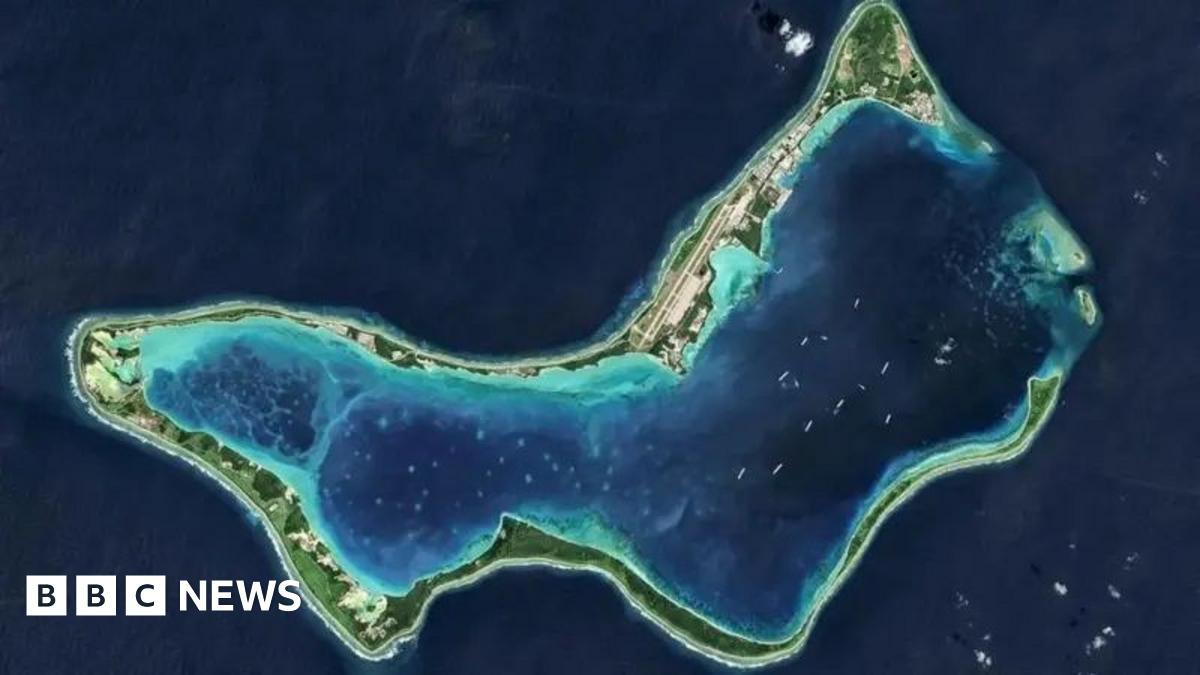
Chagos sovereignty deal
At the heart of the dispute is the Chagos package: London has proposed ceding sovereignty of the archipelago to Mauritius while retaining Diego Garcia under a long-term lease to guarantee continued US–UK military access. Reporting varies on the lease length, with accounts describing a 99-year lease with an option to extend 40 years, calling it a 99-year leaseback, or referencing a 100-year guarantee.
Cost estimates also differ markedly, with some reports citing about £101m a year to Mauritius and others pointing to at least £120m a year plus additional funds for displaced islanders. The implementing bill remains in parliamentary stages and the arrangement has not yet been fully ratified or implemented into UK domestic law.
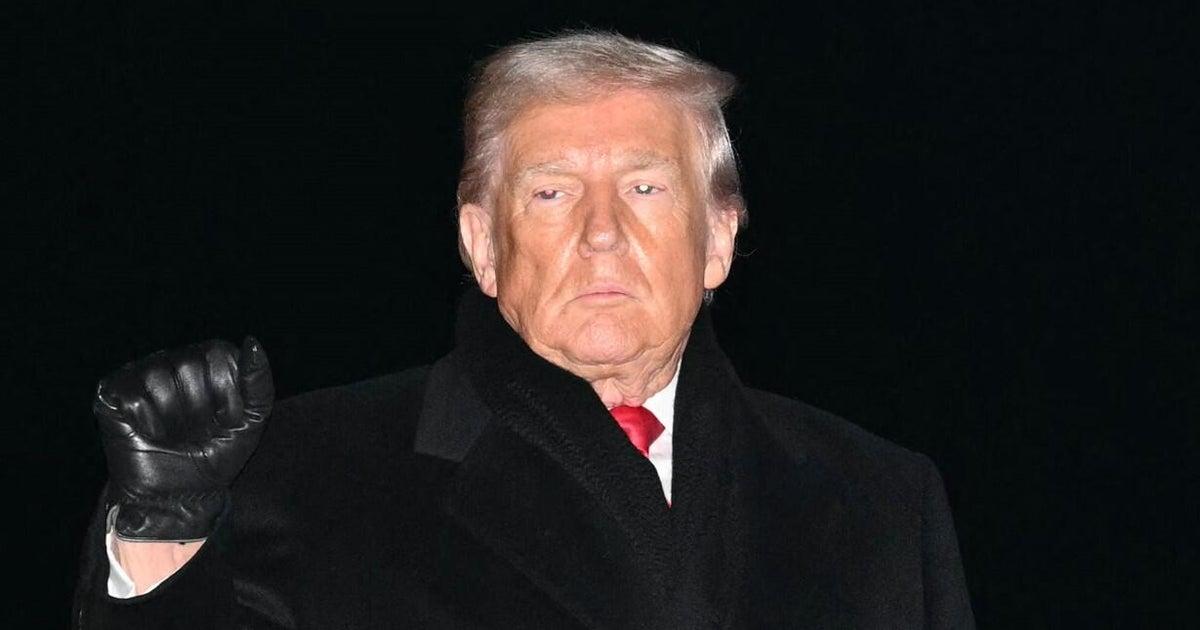
Global diplomatic reactions
International reactions split largely along diplomatic and strategic lines. US officials and some US politicians had previously welcomed the deal as protecting Diego Garcia's long-term operation. European leaders bristled at Trump's tariff threats and framed the dispute as symptomatic of a shift toward coercive power politics.
“The UK says the agreement has backing from the US, Australia, Five Eyes partners and key Indo‑Pacific allies.”
At Davos, EU figures warned the row risked a 'dangerous downward spiral'. European Commission president Ursula von der Leyen warned the international order had shifted toward 'raw power'. Some US officials, including a Treasury official, tried to downplay alarm and urged patience.
Chagos transfer and reactions
The deal prompted cross-party political rows and revived scrutiny of the archipelago’s colonial history in the UK. Conservatives including Kemi Badenoch and Reform UK’s Nigel Farage criticised the transfer. Liberal Democrat leader Ed Davey urged resistance to external pressure.
Some Labour figures dismissed Trump’s interventions as presidential trolling. The announcement also reopened wounds for displaced Chagossians. Reports say islanders were excluded from negotiations.
Two Chagossian women oppose the deal and want the right to return unless given a seat at the table. Many accounts characterise the original forced removals as a grave injustice.
Media reporting discrepancies
Reporting differences and remaining ambiguities are clear: outlets repeat both Trump's earlier private acquiescence and his later public attack, creating a contested timeline. The BBC notes he was 'inclined to go along,' while Opinion Nigeria and other pieces record his later denunciation and political fallout.
“It has not yet been ratified or implemented into UK domestic law.”
Financial and temporal details of the lease and payments vary across accounts, and the deal remains not fully ratified, leaving factual points unsettled in public reporting. Some sources present the story primarily as a security arrangement backed by allies, while others emphasise colonial injustice and the missing voices of the islanders, so readers should note these divergent emphases and the gaps they leave.
