USA21 January, 20263 min read
Trump Unveils Gaza 'Board of Peace' at Davos
Trump announced a U.S.-led international body at Davos to oversee Gaza reconstruction Benjamin Netanyahu accepted an invitation to join the U.S.-led body

40 outlets told this the same way.
Outlets did split on Trump Interrupted by Protesters at San Antonio Rally for Ken Paxton →
ABC News was read line by line by the Watchdog: 8.8. See the score →
Davos: Gaza Board unveiled
At the World Economic Forum in Davos, former U.S. president Donald Trump formally unveiled a new international Board of Peace (BoP) meant to oversee Gaza’s transition from war to reconstruction.
“President Trump opened a signing ceremony in Davos for his new 'Board of Peace,' using the event to boast about the booming US economy and claim the world is 'more peaceful' under his administration.”
He presided over a signing ceremony and invited dozens of countries to participate.
CNN reported he 'opened a signing ceremony in Davos for his new Board of Peace.'
Fox News said Trump announced on Jan. 20, 2026, that he had created a new Board of Peace for Gaza and invited Russian President Vladimir Putin to join.
NBC noted Trump led a signing ceremony for a founding charter establishing the Board of Peace, which he said would promote conflict resolution worldwide and work alongside the United Nations.
The BBC described it as a UN-authorized Board of Peace intended to coordinate Gaza redevelopment through 2027.
BoP charter controversy
The BoP’s draft charter, as reported across multiple outlets, sets out a centralized structure that concentrates significant authority in the chair and links membership to large financial contributions. Al Jazeera described the body as 'a three-tiered body' with Trump as chairman wielding 'final interpretive authority and veto power.' Al Jazeera also said donors who provide more than about $1 billion in the first year would receive permanent seats, a provision critics call effectively 'pay-to-join.'
The Guardian similarly reported the charter would grant the chair broad powers, including removing members. NBC listed high-profile executive-board names and noted rules giving exceptions for those contributing more than $1 billion. English.mathrubhumi said an AP-obtained draft of the charter reportedly gives significant authority to Trump and links permanent membership to a $1 billion contribution.

Gaza mechanisms and security roles
The BoP includes a Gaza-specific set of mechanisms - a smaller Gaza Executive Board and a committee of Palestinian technocrats to run day-to-day affairs - and envisages an international security role that critics say raises sovereignty and enforcement questions. NPR summarized the plan, saying the Gaza executive committee is charged with deploying an international security force, disarming Hamas, rebuilding Gaza, and supervising a committee of Palestinian technocrats to run the territory's day-to-day affairs.
“An international board tied to a Gaza ceasefire agreement will include a Gaza executive committee charged with the difficult second phase: deploying an international security force, disarming Hamas, rebuilding Gaza, and supervising a committee of Palestinian technocrats to run the territory’s day‑to‑day affairs.”
Al Jazeera added that the BoP charter includes a military pillar commanded by a U.S. general with a mandate including permanent disarmament. English.mathrubhumi and joburgetc reported a separate 15-member Palestinian technocrats' committee led by Ali Shaath and noted nominated executive members and day-to-day representatives such as Nickolay Mladenov.
Global responses to invitation
Organizers say dozens of countries were invited and several have agreed to join. NBC reported that about 35 countries have agreed to join and that more than 50 were invited. English.Mathrubhumi and the Irish News listed early acceptances including Israel, the UAE, Morocco and others, and said Russia is studying the plan.
The Guardian and Free Malaysia Today noted that France and Norway declined or expressed reservations. Fox reported that the Kremlin said it had received the invitation and was studying the details.

Debate over Gaza reconstruction board
Observers and critics warn the BoP risks sidelining the United Nations, concentrating power in a U.S. political figure, and turning reconstruction into a vehicle for influence. Supporters argue it could provide rapid, action-oriented governance for a devastated Gaza. The Guardian and Al Jazeera flagged concerns that the charter "appears designed to bypass or depart from existing institutions such as the UN."
“Analysts fear it could become a rival institution that hollowed out the UN rather than a UN-centred multilateral mechanism.”
Al Jazeera said experts fear "it could become a rival institution that hollowed out the UN." NPR recorded Trump answering "It might" when asked whether the board should replace the United Nations.
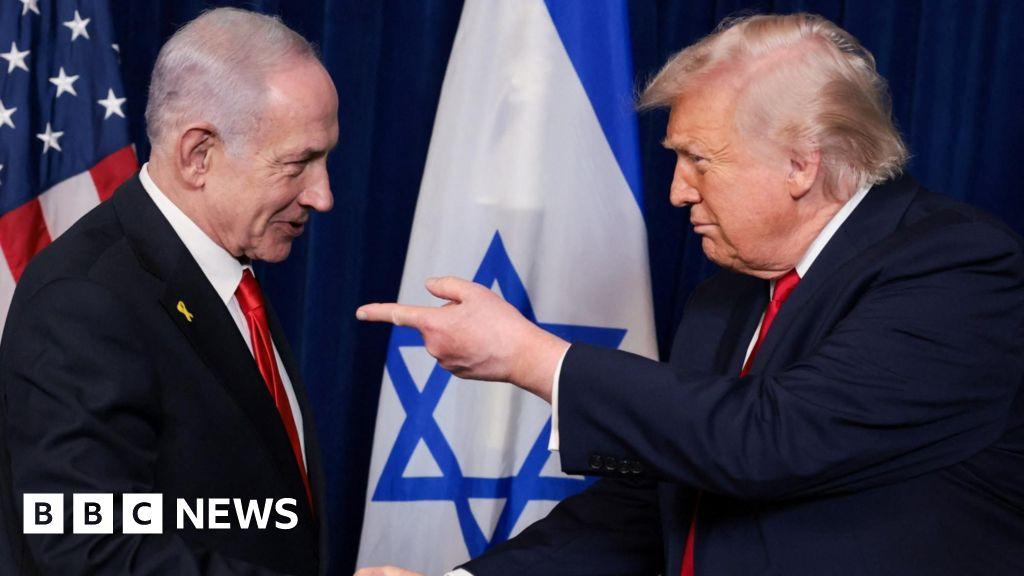
Haaretz highlighted legal and political complications, noting Netanyahu’s position is affected by an ICC arrest warrant. Proponents (Times Now, Fox, NBC) stress participation by countries and Israeli endorsement as evidence of the initiative's viability.