Gaza Genocide30 December, 20252 min read
Trump Unveils New Gaza Plan, Presses Netanyahu to Alter West Bank Occupation
This article is an automated aggregation of coverage from news outlets. Our editorials offer in-depth analysis curated by the NewsCord team.
Trump pushed to move Gaza ceasefire to phase two, establishing technocratic governance and reconstruction Trump warned Hamas to disarm swiftly, threatening severe consequences and potential strikes on Iran
41 outlets told this the same way.
U.S. Gaza plan and fallout
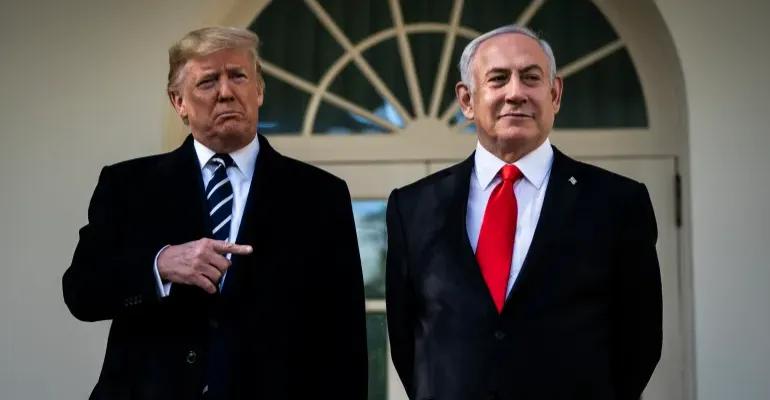
President Trump unveiled a new U.S.-brokered Gaza plan at Mar-a-Lago. He pressed Israeli Prime Minister Benjamin Netanyahu to alter Israel’s occupation policies in the West Bank and tied progress on Gaza reconstruction to Hamas disarmament. Trump hosted Netanyahu to urge revival of a stalled U.S.-brokered second phase and publicly linked any second phase to Hamas laying down arms.
“President Trump hosted Israeli Prime Minister Benjamin Netanyahu at Mar‑a‑Lago to discuss a U.S.‑brokered Gaza peace plan, rising West Bank tensions (including Israeli talk of annexation) and threats from Iran.”
Netanyahu publicly stressed Israel’s security conditions for further withdrawals. The meeting was framed as part of a broader U.S. push to enforce a timetable for disarmament, reconstruction, and an international oversight mechanism for Gaza. Multiple sources report heavy Palestinian casualties and widespread destruction in Gaza, with regional outlets describing mass civilian deaths and a tight siege that critics say amounted to systematic killing and severe humanitarian collapse.

Second-phase Gaza plan
The plan's second phase would aim to demilitarize Gaza and supervise reconstruction under an international body often called a Board of Peace. It would also install a technocratic interim Palestinian administration and deploy a multinational stabilization force while tying reconstruction cash to weapons buy-backs and disarmament verification. PBS detailed the proposal's institutional pieces — a Board of Peace, a Palestinian technocratic committee and a stabilization force.
Other reporting added that the U.S. seeks to fold the Palestinian Authority back into governance roles and to use conditional cash measures to buy weapons out of circulation. Trump repeatedly linked Gaza rebuilding to a short timetable for Hamas to disarm and warned of severe consequences if it refuses.

Operations, casualties, and leverage
Implementation has been prone to stalling: Israel continued military operations and occasional strikes even after the first phase, and multiple outlets report an acute humanitarian toll from those operations. Western mainstream reporting says the U.S. pressed Israel to change West Bank policies and flagged disagreements with Netanyahu over settlers and occupation.
“Israeli forces have killed hundreds of Palestinians since the October ceasefire.”
West Asian outlets and local Gaza authorities report tens of thousands of Palestinian deaths and accuse Israel of continuing operations and maintaining a tight siege. Israel's insistence on recovering hostages or remains, particularly the case of Ran Gvili, has been cited by Israeli officials as a condition for further withdrawals, which critics say gives Israel leverage to retain control over much of Gaza.
US, Israel, Iran tensions
The meeting exposed wider regional and political tensions: Trump warned Iran against rebuilding missile or nuclear capabilities and suggested the U.S. might back or greenlight further Israeli strikes if Tehran resumed dangerous programs, while Western officials publicly disputed Israeli plans for West Bank annexation. Domestic Israeli politics — Netanyahu’s legal troubles and coalition pressures — and U.S. domestic politics, with Trump publicly urging a pardon and seeking foreign-policy gains, shape how strictly Israel might be pressured. Western alternative outlets and some regional reporting warn that U.S. support, including reported offers to back strikes on Iran’s missile capacities, risks expanding the battlefield rather than restraining Israeli military action.