Iran-Israel13 January, 20262 min read
Trump Urges Iranians to Overthrow Regime by Seizing State Institutions
This article is an automated aggregation of coverage from news outlets. Our editorials offer in-depth analysis curated by the NewsCord team.
Trump canceled all talks and meetings with Iranian officials Trump urged Iranian protesters to seize state institutions and continue protesting

9 outlets told this the same way.
Outlets did split on U.S. Intercepts Iran Message Activating Sleeper Cells After U.S.-Israel Strike Kills Khamenei →
Trump's Iran protest response
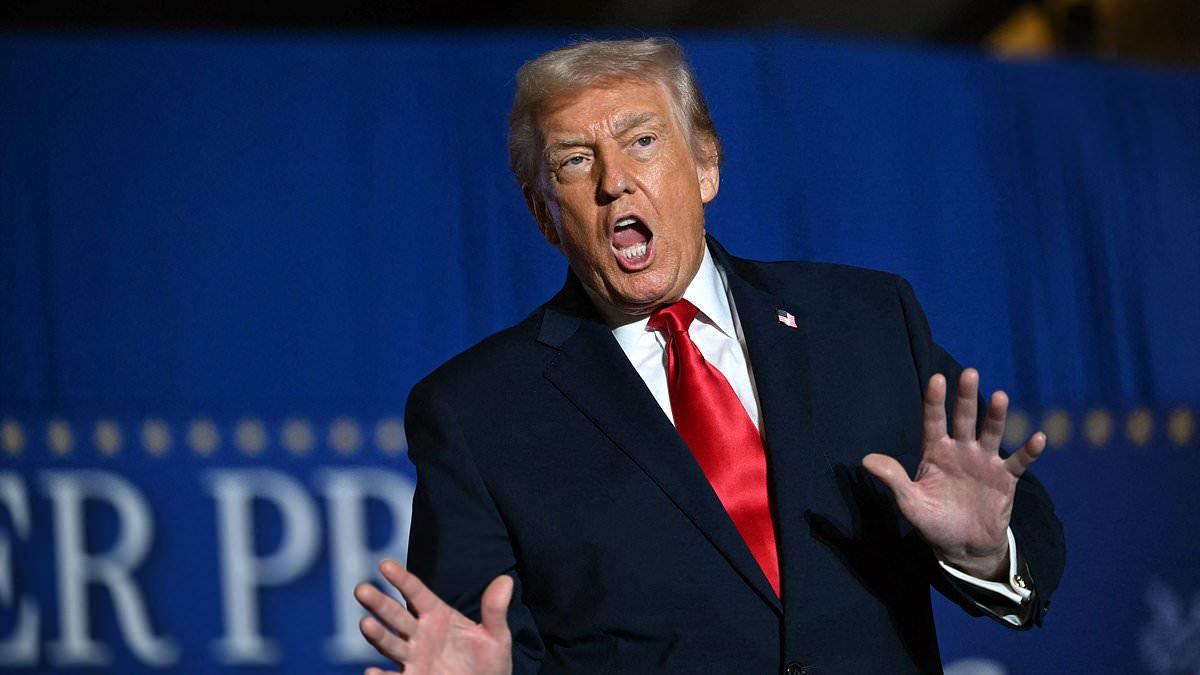
President Donald Trump publicly urged Iranians to "KEEP PROTESTING — TAKE OVER YOUR INSTITUTIONS," canceled meetings with Iranian officials "until the senseless killing of protesters STOPS," and promised that "help is on its way," while offering no specifics about what form that help would take. The move followed days of reported private outreach and internal debate in Washington, and the White House also announced a planned 25% tariff on countries doing business with Iran. Trump’s messages have appeared on social platforms and to reporters without detail when pressed.
“President Donald Trump on Jan. 14 said he is cutting off talks with Iranian officials amid a brutal nationwide protest crackdown, tweeting and telling Iranians ‘help is on its way’ while urging them to ‘KEEP PROTESTING — TAKE OVER YOUR INSTITUTIONS.’”
Coverage of Iran protests
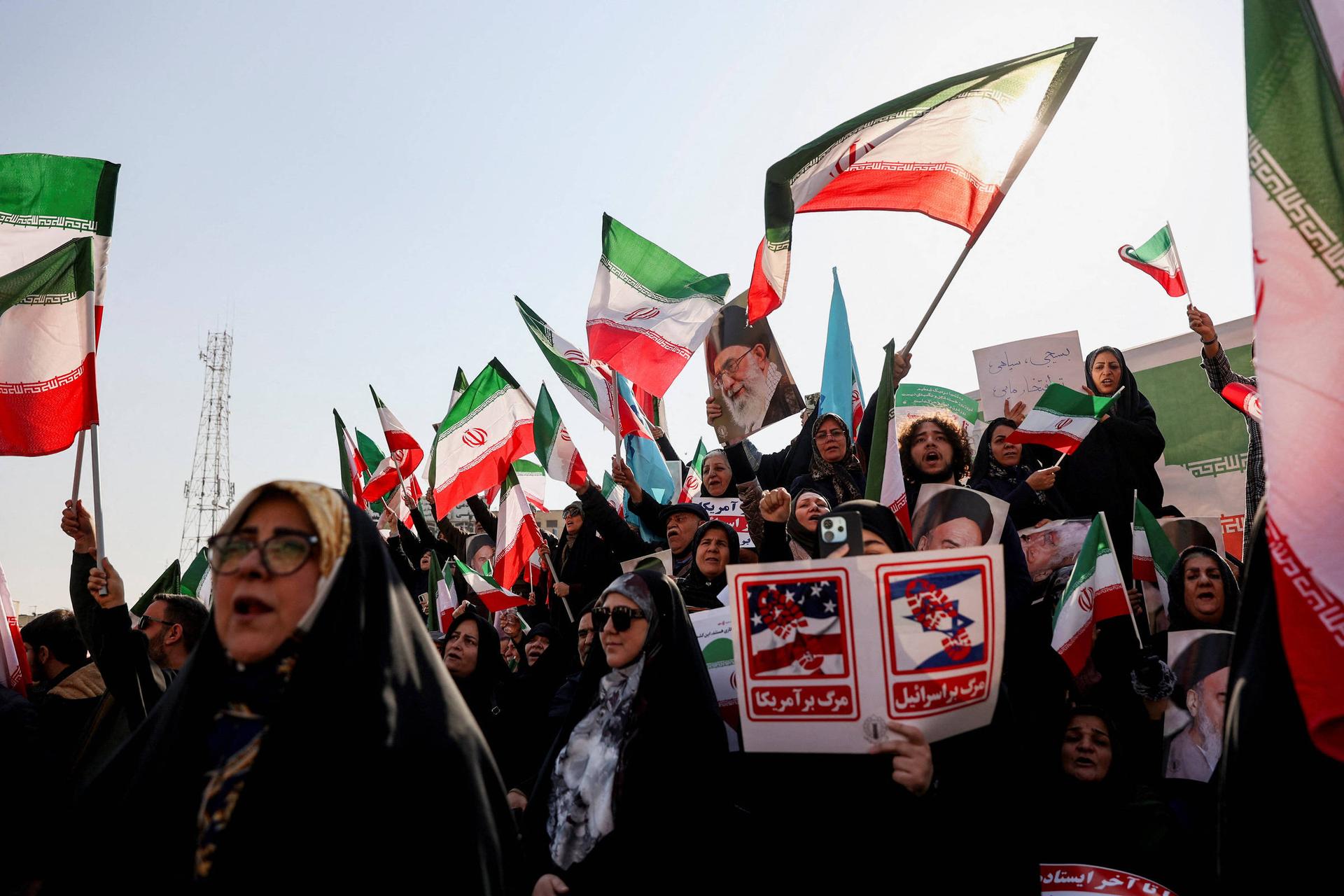
The exhortation came amid one of the largest protest waves in Iran in decades. Human rights monitors and activist groups reported widespread demonstrations, heavy casualties and mass detentions, while an internet blackout hindered independent verification. Sources cite roughly 1,850 protesters among about 2,000 total casualties and roughly 16,700 detentions.
State media has only recently acknowledged deaths and called the dead "martyrs" without giving figures. Newsweek and other outlets describe overwhelmed hospitals and cemeteries under strain. They also report a sweeping multi-day internet shutdown that obstructs external confirmation of casualty figures.
Rising international tensions over Iran
International reactions are mixed and escalating: the White House has threatened possible military action and announced tariffs, European leaders are reportedly weighing new sanctions, and Ukraine's president called for regime change in Iran. Tehran's leadership, including Ali Larijani, publicly blamed the U.S. and Israel as instigators — Larijani called them "principal killers of the people of Iran" — while Iranian officials warned that the U.S. and Israel would be "legitimate targets" if force is used. These competing threats raise the risk of broader confrontation as diplomatic channels were said to be cut off by the U.S.
“President Donald Trump announced a new 25% tariff on countries trading with Iran, without clarifying whether it covers goods, services, or both.”
Reporting on Iran tensions
Combined reporting shows an escalation in rhetoric from Washington, broad humanitarian and security concerns inside Iran, and sharply divergent framings across outlets. Some sources highlight Trump's provocative call and name-and-shame language as encouraging regime change.
Other outlets emphasize policy levers like tariffs and the practical impact on global trade, along with verification challenges caused by an internet blackout and conflicting casualty reports. Several outlets warn that the lack of dialogue and the mix of threats increase the danger of miscalculation on all sides.