USA31 December, 20252 min read
Trump Vetoes Bipartisan Arkansas Valley Conduit Bill, Denying Clean Water to Underserved Colorado Communities
This article is an automated aggregation of coverage from news outlets. Our editorials offer in-depth analysis curated by the NewsCord team.
Trump vetoed the bipartisan Arkansas Valley Conduit bill delivering clean drinking water to southeastern Colorado. Congress passed the conduit bill with strong bipartisan, near-unanimous support.
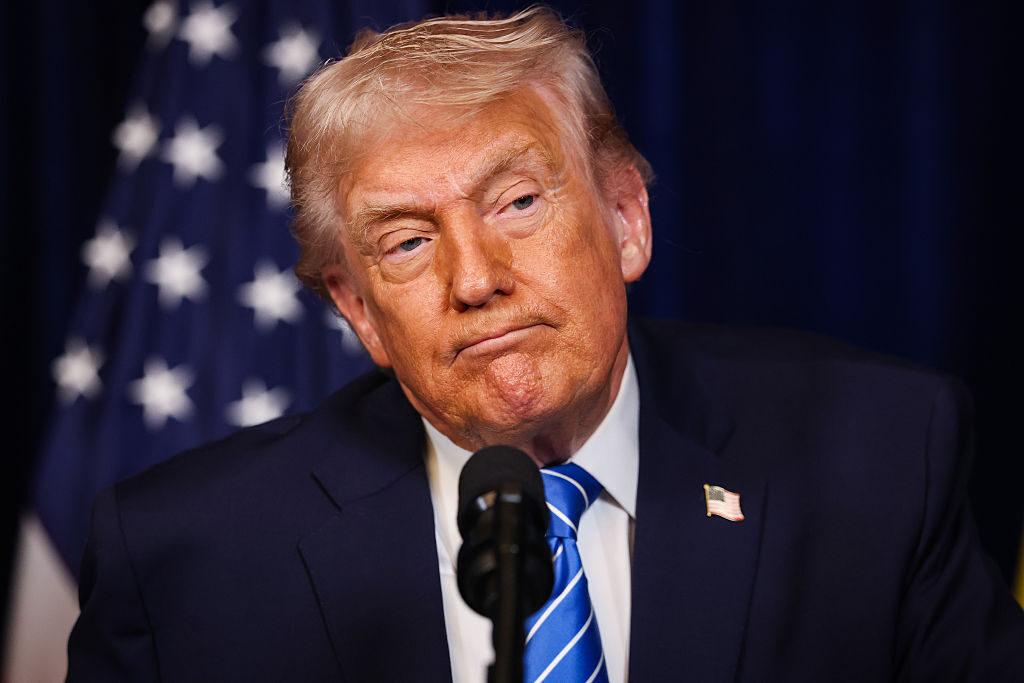
10 outlets told this the same way.
Outlets did split on Trump Interrupted by Protesters at San Antonio Rally for Ken Paxton →
Arkansas Valley Conduit veto
President Donald Trump vetoed H.R. 131, the bipartisan 'Finish the Arkansas Valley Conduit Act,' blocking federal changes intended to help complete a decades-old Colorado water project meant to deliver clean water to southeastern Colorado communities.
“A bipartisan bill called the ‘Finish the Arkansas Valley Conduit Act,’ which would have allowed local communities 100 years to repay no‑interest federal loans to help cover their share of the Arkansas River Valley conduit, passed Congress but was vetoed Tuesday by President Donald Trump.”
The conduit, whose construction began in April 2023 and which was originally authorized in the 1960s, was described in reporting as a 130-mile pipeline to serve rural towns and provide municipal and industrial water to communities with contaminated groundwater.
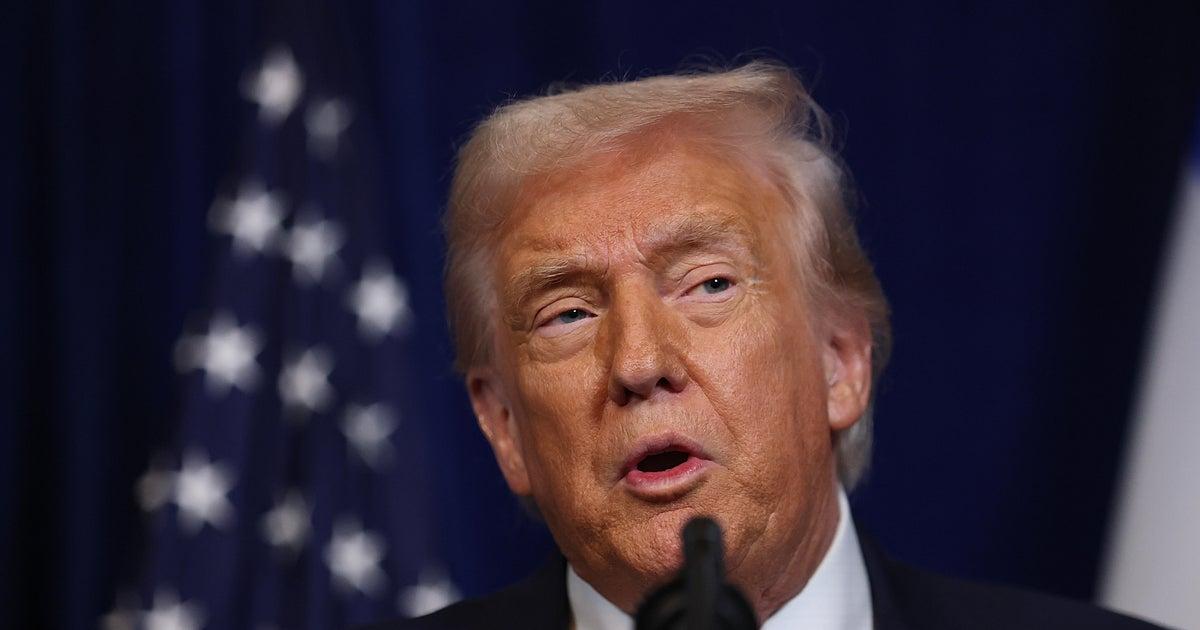
The measure had passed both chambers unanimously before the veto and was among the first vetoes of Trump's second term.
Loan repayment and debate
The bill would have eased the local repayment burden by extending local repayment terms, variously described as moving from 50 to 75 years or allowing up to 100 years for repayment of no-interest federal loans. It would also lower borrowing costs so the federal government would cover a larger share of the long-authorized project's cost.
Supporters argued the financing changes were necessary to finish a project that has struggled with funding. Critics, including the White House in its veto message, said the changes amounted to costly federal handouts that shifted too great a burden to taxpayers.

Colorado veto reactions
Political reaction was immediate and bipartisan: local Republican Rep. Lauren Boebert and Democratic Colorado Gov. Jared Polis both criticized the veto, and reporting stresses that Colorado’s entire congressional delegation had backed the measure.
“Colorado Republican Rep. Lauren Boebert and Democratic Gov. Jared Polis both criticized the veto; Boebert vowed to continue fighting for the project.”
Sponsors and supporters called the veto 'very disappointing' and vowed to keep fighting.
Some outlets also reported that the veto provoked accusations of possible political retribution by the president given other tensions with Colorado interests.
Southeastern Colorado water access
Reporting emphasizes the human and environmental stakes. Outlets describe roughly 39 southeastern Colorado communities, or about 50,000 residents, who would gain access to safe municipal and industrial water after decades of delay; local groundwater has been affected by salt and naturally occurring radioactivity. The veto creates fresh uncertainty about when—or whether—those underserved communities will receive the long-promised safe drinking water.
Veto Narratives and Costs
The veto highlights competing narratives about fiscal responsibility and federal involvement in local infrastructure. The White House framed the veto as necessary to prevent taxpayer exposure to large costs. Local officials and supporters framed the bill as a bipartisan, necessary fix to a long-running public-health infrastructure gap.
“The Congressional Budget Office, however, estimated the federal cost of the bill would be under $500,000.”
Reporting varies by outlet, with some emphasizing federal cost figures such as the CBO’s under $500,000 estimate reported by Colorado Public Radio while others cite the project’s cumulative estimates of $1.3–$1.4 billion reported by Newsweek, Roll Call, and News Radio. Some pieces link the veto to broader political tensions rather than viewing it as a purely budgetary decision.
