Syria13 December, 20252 min read
Trump Vows 'Very Serious Retaliation' After Islamic State Kills 3 Americans in Syria
Two U.S. soldiers and one U.S. civilian interpreter killed in ISIS ambush near Palmyra, Syria Three other U.S. service members wounded; attacker engaged and killed by partner forces
51 outlets told this the same way.
Outlets did split on France Suspends Police Stun Grenades at High School Protests After 15-Year-Old Loses Hand →
Palmyra attack and response
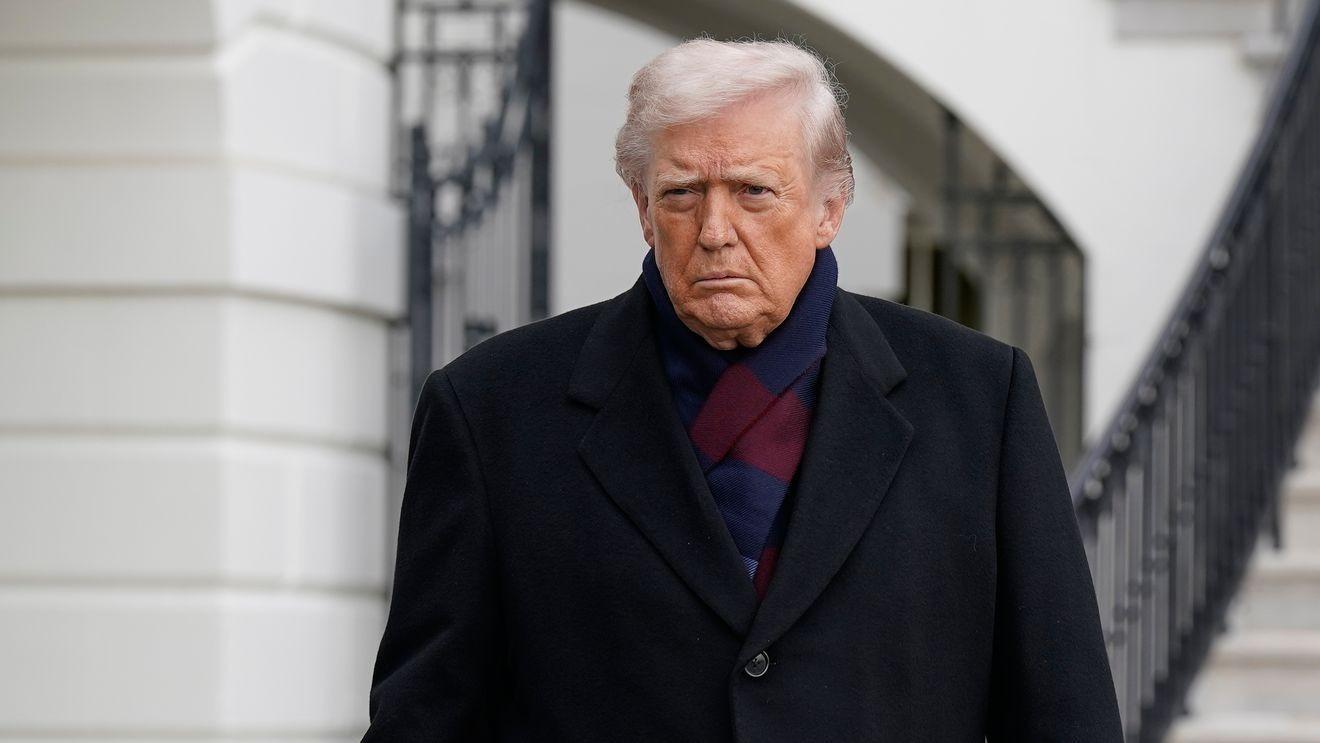
An ambush near Palmyra in central Syria killed U.S. personnel and prompted President Donald Trump to vow a swift response.
“President Donald Trump said Saturday there ‘will be very serious retaliation’ after an attack in central Syria that the U.S. blames on the Islamic State killed two U.S. service members and one American civilian.”
U.S. Central Command and multiple outlets reported that two U.S. service members and one U.S. civilian interpreter were killed.
Three other service members were wounded, and the attacker was described as a lone gunman who was killed at the scene.
Trump, speaking to reporters and posting on Truth Social, warned there 'will be very serious retaliation,' called the incident an Islamic State attack, and offered condolences for the dead.
The Pentagon said the identities of the fallen would be withheld pending next-of-kin notification.
Palmyra attack summary
U.S. and media accounts describe the attack as an ambush during a "key leader engagement" linked to counter-ISIS and counterterrorism operations near historic Palmyra.
Military statements and many outlets say the shooter was a lone Islamic State-linked gunman who opened fire on a U.S.-linked convoy or patrol, and U.S. partner forces engaged and killed the attacker while evacuating wounded personnel to the nearby al-Tanf garrison.
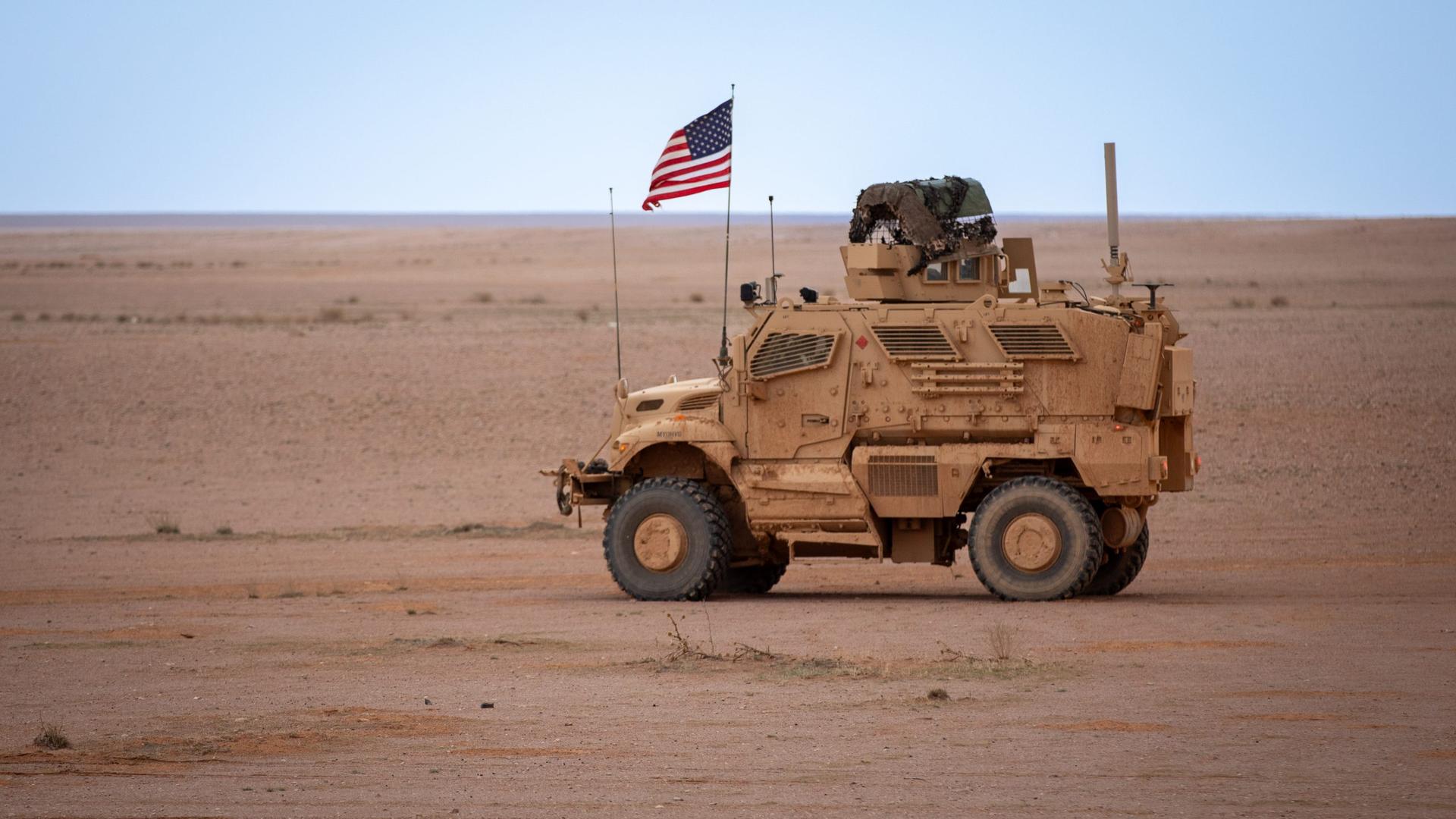
The Pentagon and U.S. Central Command are investigating, and officials have withheld the names of the dead until next-of-kin notifications are complete.
Conflicting accounts of attack
Accounts diverge over who the attacker was and how Syrian sources framed the incident. Syrian state media and the Interior Ministry said they were investigating whether the shooter was linked to Islamic State or was merely inspired by it, and denied that he was a security official.
“Syrian state media and monitoring groups gave conflicting accounts of the attacker’s identity, with Syria’s Interior Ministry saying the gunman was linked to IS but investigating ties, and the Syrian Observatory saying he was a member of the security forces.”
The UK-based Syrian Observatory for Human Rights reported the attacker may have been a member of Syria's security forces. Western mainstream and West Asian outlets highlight this contradiction and cite Syrian officials and monitors directly, underscoring uncertainty about motive and affiliation.
U.S. presence and IS threat
Observers and outlets place the incident in a broader context of U.S. presence in eastern Syria and a fragile post-Assad diplomatic realignment. Several sources note that the U.S. still keeps 'hundreds' of troops in eastern Syria and that Syria's interim leader recently visited Washington and joined the international anti-IS coalition.
The U.N. estimate that IS retains roughly 5,000-7,000 fighters in Syria and Iraq is often cited to explain the continued threat. Analysts and officials quoted in reporting characterize the attack as evidence that sleeper cells remain a danger despite IS's territorial defeat in 2019.

Political reaction and coverage
Political reactions and vows of pursuit were immediate: Trump vowed retaliation on Truth Social and to reporters, calling the dead 'Great American Patriots' in some reports, while Defense Secretary Pete Hegseth and other U.S. officials publicly promised to hunt down those who attack Americans. Officials stressed procedural matters such as withholding the names until family notifications and continuing an active investigation. Coverage varies in tone — tabloids emphasize presidential rhetoric and emotive language, mainstream outlets quote the official statements and procedural details, and some alternative outlets highlight the pledge of relentless pursuit as a policy warning to militants.
“Trump mourned the three 'Great American Patriots' and promised prayers for their families.”