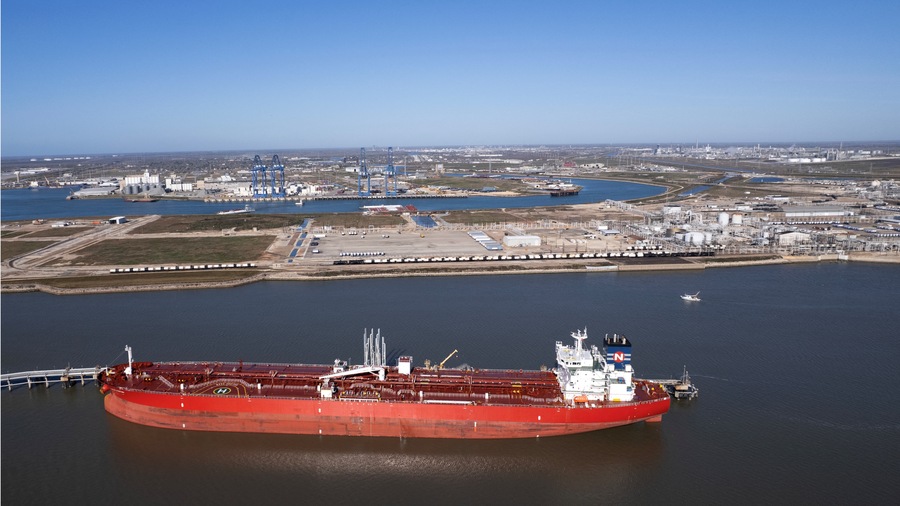
Trump Waives Jones Act for 60 Days to Ease Gas Prices Amid Iran War
Key Takeaways
- 60-day Jones Act waiver lets foreign-flagged ships move resources between U.S. ports.
- Aims to curb rising gas prices amid the Iran war.
- Flow of oil, natural gas, fertilizer, and coal into U.S. ports.
Trump Waives Jones Act
President Donald Trump has announced a 60-day temporary waiver of the Jones Act, a century-old maritime law, in response to rising energy prices caused by the ongoing conflict with Iran.
“President Donald Trump issued a 60-day waiver of a longstanding U”
The waiver allows foreign-flagged ships to transport fuel and other essential commodities between US ports, temporarily lifting restrictions that typically require domestic shipping to be conducted on vessels built in the United States, owned by US citizens, registered under the US flag, and crewed primarily by Americans.

White House press secretary Karoline Leavitt confirmed the administration had been exploring the move, stating it was being considered 'in the interest of national defense' to 'ensure vital energy products and agricultural necessities are flowing freely to U.S. ports.'
The announcement comes as oil prices have surged sharply due to halted shipping routes through the Strait of Hormuz, a critical global oil chokepoint.
Jones Act Background
The Jones Act, formally known as the Merchant Marine Act of 1920, was established after World War I to strengthen the US shipping industry following heavy losses from German submarine attacks.
Under the act, any goods transported between US ports must be carried on ships that are built in the United States, owned by US citizens, registered under the US flag, and crewed primarily by Americans.

The law aims to support national security and maintain a strong domestic shipping fleet, though some versions of the requirements specify that vessels must be at least 75% owned by US citizens and at least 75% crewed by US citizens.
Over the decades, the law has been sporadically waived during major supply disruptions, such as Hurricanes Harvey and Maria in 2017, when foreign-flagged vessels were temporarily allowed to transport fuel to alleviate shortages in affected areas.
Market Disruptions
The Iran war has created significant market disruptions, with the Strait of Hormuz effectively shutting down tanker traffic through this critical chokepoint that normally handles about a fifth of global oil shipments.
“President Donald Trump has temporarily waived a century-old shipping law to allow oil and other resources to flow to the United States, a White House official told FOX Business on Wednesday”
Major Middle Eastern oil producers have cut output in response, sending crude oil prices soaring to around $100 per barrel, up from roughly $70 before the war began.
American consumers are feeling the impact directly at the pump, with the national average for regular gasoline climbing to about $3.63 to $3.84 per gallon, representing increases of 27% to 69 cents in just one month, while diesel prices have risen by 34% to around $5.07 per gallon.
The Trump administration has responded with multiple measures beyond the Jones Act waiver, including a one-month license to waive sanctions on Russian oil, permission for India to purchase Russian oil, and plans to release 172 million barrels from the Strategic Petroleum Reserve over 120 days as part of a broader International Energy Agency emergency release of 400 million barrels.
Effectiveness Debate
The Jones Act waiver has sparked controversy over its effectiveness and potential impact on American jobs and industry.
Supporters of the move argue that under extreme conditions, flexible market adjustment policies are necessary to lower energy costs for the public.
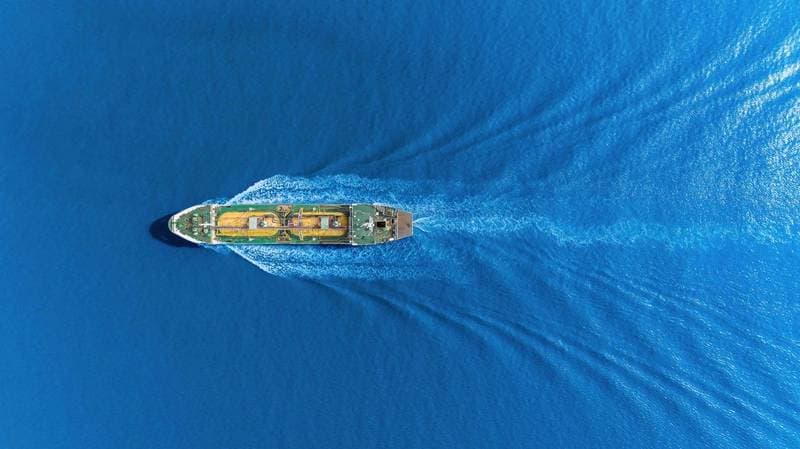
James Lightbourn, founder of Cavalier Shipping, noted that U.S.-flagged tankers typically cost about $50,000 more per day to operate than foreign vessels, suggesting using foreign vessels could cut transportation costs by about 5 cents per gallon.
However, critics including the American Maritime Partnership warn that the waiver could 'unnecessarily displace American workers and American companies' and has stated that 'this waiver will not reduce gas prices,' claiming the maximum potential impact on gasoline costs nationwide is less than one penny per gallon.
Some economists have projected more significant potential savings, with JPMorgan estimating a waiver could save East Coast drivers about 10 cents per gallon, while a 2023 National Bureau of Economic Research working paper found it could reduce average East Coast gasoline prices by 63 cents per barrel, which translates to just a few cents per gallon of gas.
More on Iran

Israel strikes Iran's Pars gas field as Tehran vows revenge
14 sources compared
Trump threatens to blow up South Pars gas field if Iran attacks Qatar again
10 sources compared
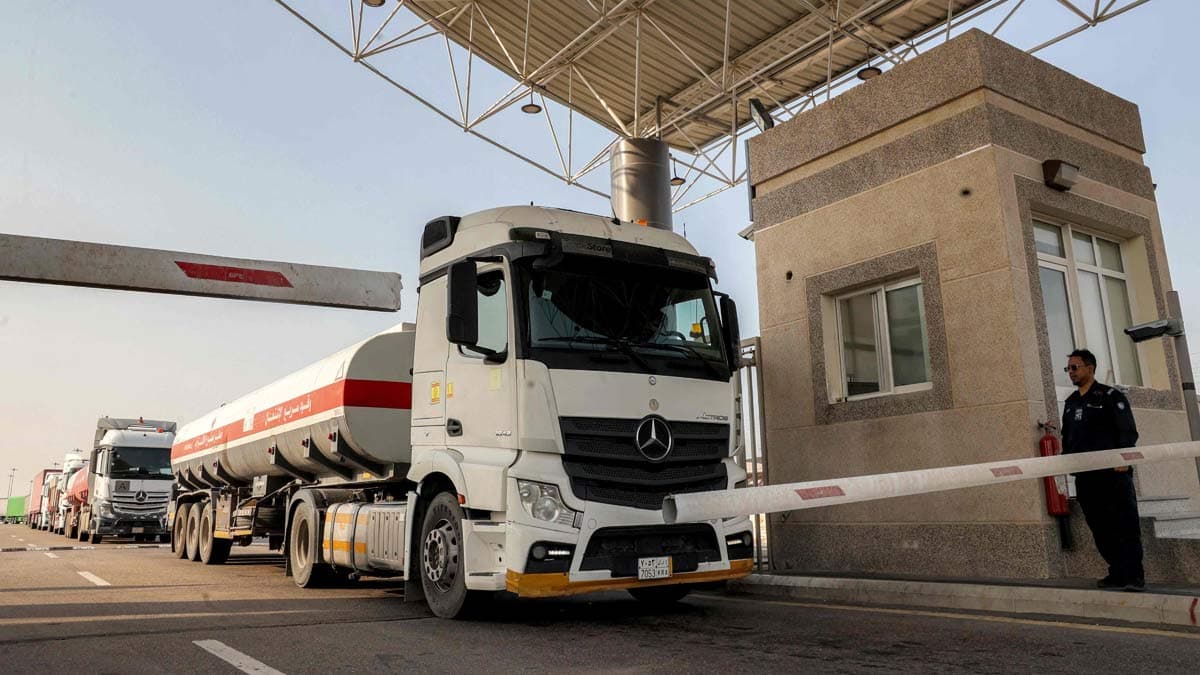
UAE Halts Habshan Gas Facility Operations After Debris From Intercepted Missiles
10 sources compared

Iran Threatens Gulf Energy Facilities After Israel Strikes South Pars Gas Field
11 sources compared