Trump Warns He Won’t Extend Iran Ceasefire Beyond Tomorrow as US Seizes Tanker
Key Takeaways
- Trump said he would not extend the Iran ceasefire beyond tomorrow.
- A tanker in international waters was seized by the United States near the deadline.
- Islamabad talks between Washington and Tehran were ongoing and at risk of collapse.
Ceasefire, talks, and threats
Iran and the United States are locked in a fast-moving standoff as a two-week ceasefire nears its end and the next round of negotiations remains uncertain, with both sides trading sharply different signals about what comes next.
Press TV frames Tehran’s approach as a refusal to offer “concessions” and says Iran will “negotiate only from a position of strength,” arguing that “No concessions will be given.”
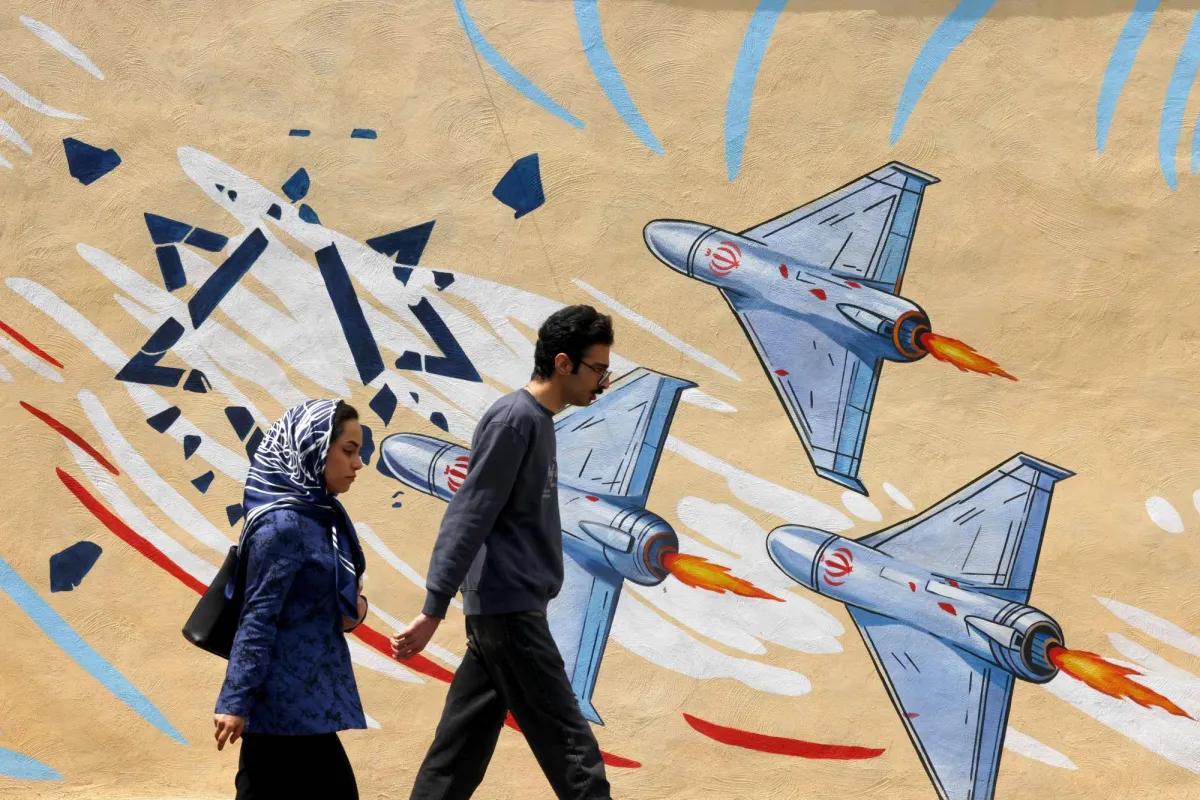
The Express Tribune reports that US President Donald Trump extended the ceasefire after a request from Pakistan’s top leadership, writing on Truth Social that the truce would remain in place until Iran submits a comprehensive plan and negotiations reach a definitive outcome.
Oneindia, meanwhile, describes Trump’s warning that he “won’t extend Iran ceasefire beyond tomorrow,” quoting him saying, “I expect to be bombing because I think that's a better attitude to go in with.”
International Crisis Group’s Iran Crisis Monitor #2 says the conflict centered on the Strait of Hormuz and that Trump insisted the US naval blockade of Iranian ports would remain in place until a broader settlement is reached.
Reuters, as carried by Dunya News, adds that the US seized a tanker linked to Iran in international waters, and that Trump said he does not want to extend the ceasefire, telling CNBC, “We don't have that much time.”
Across the reporting, the same deadline pressure repeats: the ceasefire is described as expiring Wednesday, with conflicting timelines and uncertainty over whether diplomacy can keep pace.
Why Iran won’t bargain
Iran’s public position, as presented in Press TV and echoed in other Iranian-focused reporting, is that negotiations should not involve surrendering missile, defense, or nuclear capabilities, even while Tehran is willing to discuss ending the war permanently.
Press TV says Iran’s framework makes a “critical distinction” that “negotiation is not about giving up strategic assets,” insisting that Tehran has “merely agreed to a ceasefire, a silence on the battlefield, but the war has not formally ended.”

It argues that “Any negotiation, therefore, is about the terms of ending the war permanently,” while saying “Both issues are effectively off the table” regarding missile and nuclear programs.
The same source lays out a “categorical refusal” to discuss “its missile, defense, and nuclear programs,” calling them “non-negotiable national assets” and describing them as “the ‘strategic wealth’ of the Iranian people.”
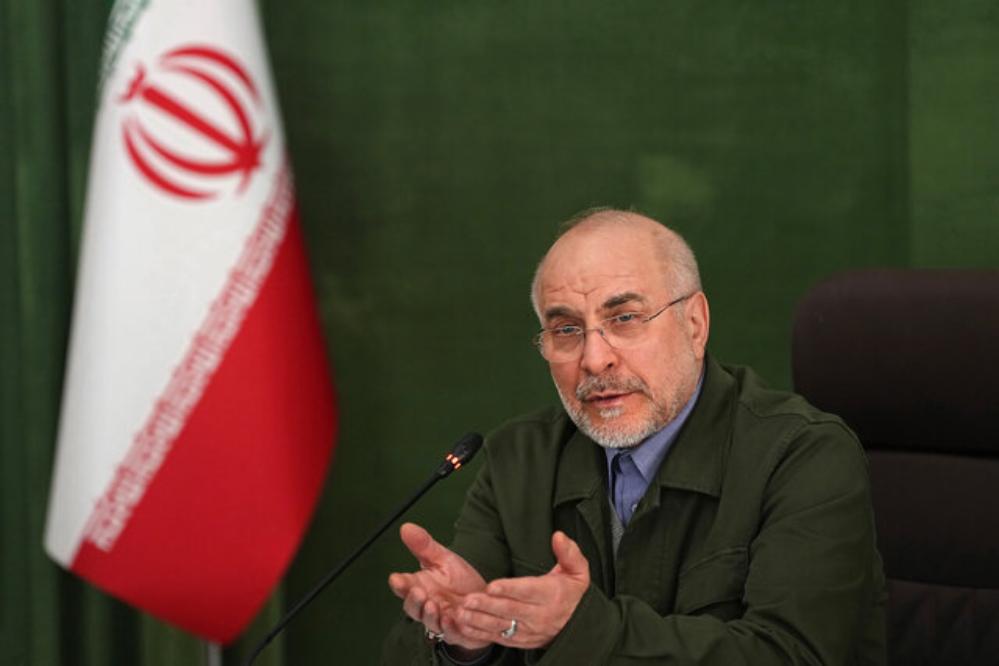
The Times of India reports that Iran’s parliament speaker Mohammad Bagher Ghalibaf told viewers that Iran is “still far from a final agreement,” adding, “We were victorious in the field,” and that the United States failed to achieve its objectives.
In the same Times of India account, Ghalibaf warns that Tehran’s control over the Strait of Hormuz will remain restricted unless Washington lifts its naval blockade, saying, “If America does not lift the blockade, traffic in the Strait of Hormuz will definitely be limited.”
Nournews, quoting Ghalibaf, similarly ties Iran’s battlefield posture to its negotiating stance, saying, “this is precisely why Trump requested a ceasefire,” and asserting, “battlefield superiority is indeed in our hands.”
Pakistan mediation and shifting deadlines
Pakistan’s role as mediator is repeatedly described as central to keeping the diplomacy process alive even as the ceasefire deadline tightens and Iran’s participation remains contested.
The Express Tribune says Trump extended the ceasefire after requests from Field Marshal Asim Munir and Prime Minister Shehbaz Sharif of Pakistan, and it quotes Trump’s claim that the decision was meant “to allow Tehran time to present a unified proposal for a permanent resolution to the conflict.”
It also reports that Prime Minister Shehbaz Sharif thanked Trump for extending the ceasefire, writing, “I sincerely thank President Trump for graciously accepting our request to extend the ceasefire to allow ongoing diplomatic efforts to take their course.”
The Express Tribune further states that Pakistan’s mediator efforts include backchannel contacts between Washington and Tehran, while it notes that Iran expressed reluctance to confirm participation and that the US delegation led by Vice President postponed its departure for Islamabad on Tuesday.
The Indian Express adds that Pakistan-led mediators received confirmation that the two top negotiators—US Vice President JD Vance and Iran’s parliament speaker Mohammad Bagher Qalibaf—will arrive in Islamabad early Wednesday, citing officials.
At the same time, it says Iranian state television denied that any official is already in Pakistan’s capital, with IRIB stating that “no Iranian delegation, primary or secondary, had travelled to Islamabad.”
Reuters via Dunya News reports that Pakistani officials said delegations, if they attend, are not expected before Wednesday, leaving limited time to reach an agreement before the truce expires.
Strait of Hormuz as the battleground
The Strait of Hormuz is described across multiple sources as the operational center of the confrontation, with Iran’s control and the US blockade shaping both the military friction and the negotiating leverage.
International Crisis Group says that after the 8 April ceasefire largely held, the conflict between Iran and the U.S./Israel centered on the Strait of Hormuz, and it describes how Iran briefly reopened the strait to commercial traffic only in coordination with Tehran, only along routes it controls, and only for the duration of the ceasefire.
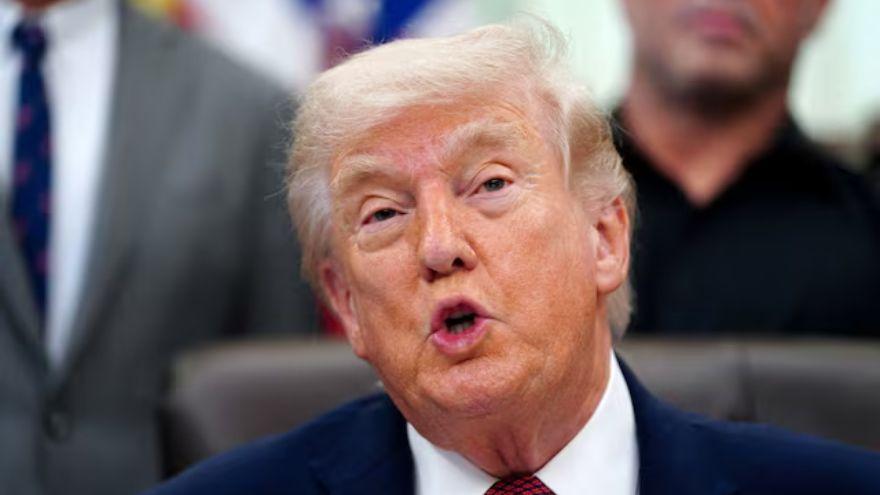
It adds that Iranian authorities said control reverted to strict military management in light of the continued US blockade, while Washington said its blockade turned back dozens of ships and escalated by striking and seizing an Iranian cargo vessel on 19 April.
The Express Tribune reports that Iran’s Tasnim news agency said if the US wants to maintain the shadow of war, it should consider the Strait of Hormuz effectively fully closed, and it quotes the agency saying, “Continuation of a naval blockade amounts to continued hostility; as long as the blockade persists, Iran will at least not reopen the Strait of Hormuz.”
The Times of India similarly reports that Ghalibaf warned, “If America does not lift the blockade, traffic in the Strait of Hormuz will definitely be limited,” and it notes that the Revolutionary Guards warned that any unauthorised transit would be treated as cooperation with the enemy and “will be considered cooperation with the enemy, and the offending vessel will be targeted.”
Press TV argues that Iran’s recognition demands in negotiations include “recognition of its control over the Strait of Hormuz,” tying the waterway to the “give and take” equation.
Dunya News adds that Iran has largely closed the Strait of Hormuz to foreign vessels, reversing an earlier decision to reopen it, and it says the closure disrupted the flow of roughly 20 million barrels of oil per day.
Competing narratives and next steps
The sources diverge sharply in how they portray the negotiating posture and the meaning of the ceasefire, with US-focused reporting emphasizing time pressure and conditional extensions while Iranian-aligned analysis emphasizes strength, battlefield leverage, and a refusal to bargain over core assets.
“Summary Trump says he will not extend Iran ceasefire as US seizes tanker, with last-ditch talks in Islamabad hanging in the balance”
Oneindia frames the moment as Trump saying he expects to resume strikes if talks fail, quoting him: “I expect to be bombing because I think that's a better attitude to go in with,” while also reporting that Iran rejects negotiations under pressure and that Mohammad-Bagher Ghalibaf warned Iran is “prepared to reveal new cards on the battlefield.”
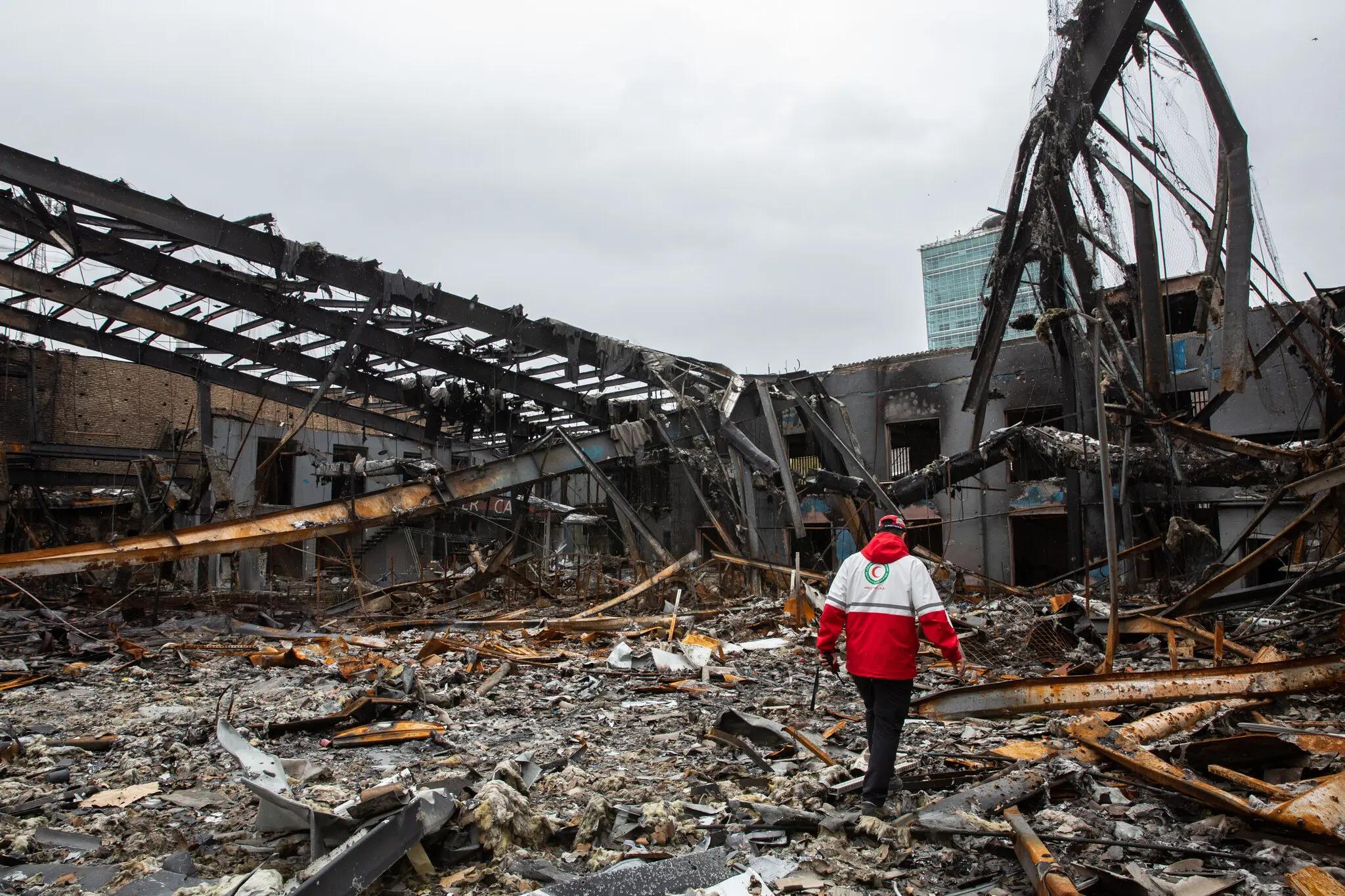
The Indian Express describes the same diplomatic uncertainty through logistics and public messaging, saying Iranian state television denied that any official is already in Pakistan’s capital and that the ceasefire expires Wednesday, while also noting that Trump said he was “highly unlikely” to renew it.
Press TV, by contrast, insists that Iran’s stance is not a rejection of diplomacy, describing “dignified negotiation” as showing up “from a position of strength, not weakness,” and it claims the US entered the war with objectives including “regime change” and “the obliteration of Iran's military and nuclear infrastructure” but “It achieved none of them.”
International Crisis Group adds a third layer by describing de-escalation as a contest over who sets the terms of the post-war order, stating that “de-escalation thus became a contest over who will set the terms of the post-war order.”
Looking ahead, the immediate consequence across the reporting is that the next round of talks in Islamabad is poised to collide with the ceasefire deadline, with Reuters reporting that Pakistani officials said delegations are not expected before Wednesday and that Washington and Tehran have not publicly confirmed timing.
Dunya News adds that the US seized the tanker Tifani and that Tehran insists it will not negotiate while restrictions remain in place, while also quoting a senior Iranian military commander warning of an “immediate and decisive response” to renewed US action.
More on Iran

Donald Trump Extends Iran Ceasefire Until Peace Talks End, Keeps Blockade of Iranian Ports
10 sources compared
Donald Trump Indefinitely Extends Ceasefire With Iran While U.S. Blocks Iranian Ports
15 sources compared
Trump Extends Iran Ceasefire Indefinitely, Orders U.S. Military To Continue Blockade
11 sources compared
Donald Trump Extends U.S. Ceasefire With Iran, Orders Naval Blockade to Continue
15 sources compared