Full story
Power plants, bridges
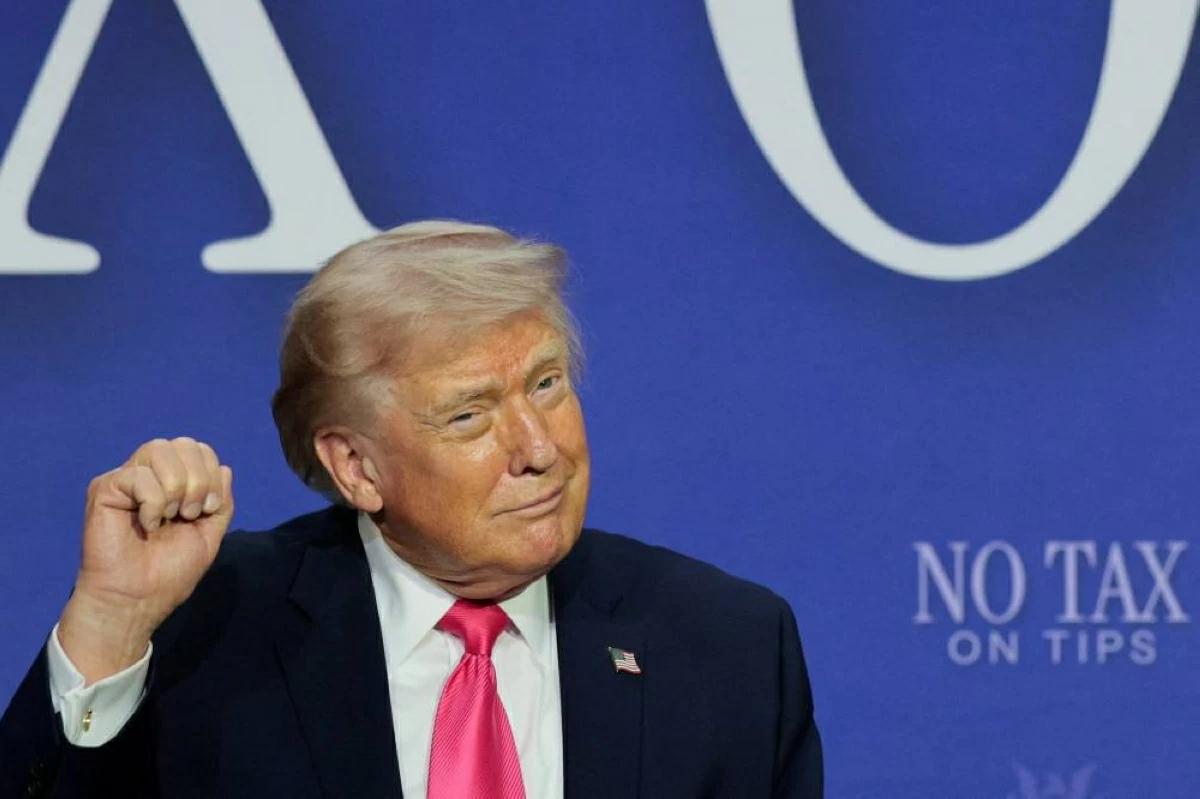
U.S. President Donald Trump warned that the United States will dramatically expand its military campaign against Iran by targeting power plants and bridges unless Tehran returns to the negotiating table, saying, "Next week comes the power plants. Next week comes the bridges."
Trump told Fox News that the strikes would continue "until I say it's enough," as U.S. forces conducted a fourth consecutive day of strikes on Iranian targets.

The U.S. Central Command (CENTCOM) said American forces resumed a naval blockade targeting Iranian ports and coastal areas from 4 pm ET on Tuesday, and CBC reported the U.S. reimposed a naval blockade of all Iranian ports.
CBC also reported Trump said, "Next week comes the power plants, next week comes the bridges … unless they get to the table and negotiate," while the U.S. began a fresh round of strikes to degrade Iranian capabilities used to attack commercial shipping in the Strait of Hormuz.
No deadline, no talks
Al-Jazeera Net reported Trump said he does not prefer to set deadlines and told reporters, "I do not like setting deadlines, but they know very well, they know the story... it is better for them to act properly."
In response, the spokesperson for Iran's Foreign Ministry and member of the negotiating team, إسماعيل بقائي, said Iran does not currently intend to resume negotiations and that "We currently have no plan for negotiations, we are focusing on defense."

Al-Jazeera Net also quoted the speaker of the Iranian Parliament محمد باقر قاليباف saying, "We do not intend to resume negotiations," and described Iran as waging an existential war with America.
The same report said the United States resumed military strikes and reimposed the blockade on Iranian ports, while Tehran asserted that defense is the priority and that a memorandum of understanding only has meaning if its terms are in effect and enforceable.
Escalation and leverage
The escalation narrative in IRNA said the U.S. resumed aggressive actions against the Islamic Republic of Iran after a period of relative calm, and it framed the shift as moving into a phase of counterattacks or "tit-for-tat."
IRNA quoted John Mearsheimer, a theorist and prominent professor of international relations at the University of Chicago, saying, "This was just one of the reasons that led to stopping the air war after forty days."
IRNA also described a sequence in which the war began on February 28, a naval blockade phase ran until June 17, and it argued that the memorandum was signed because "both the air war and the blockade had failed."
In parallel, Drop Site reported that during U.S.-Iran talks in Lake Lucerne, Switzerland in late June, an Iranian negotiator sent a private message to Vice President JD Vance warning that the continued presence of President Donald Trump’s Special Envoy Steve Witkoff and son-in-law Jared Kushner would undermine turning the June 17 framework into an enduring deal.


