
Trump Warns Iran’s Power Plants, Saying A Whole Civilization Will Die Tonight
Key Takeaways
- Trump threatened to strike Iran's power plants amid escalating US-Iran tensions.
- Iran reimposed Strait of Hormuz restrictions; gunboats fired on a tanker.
- A two-week ceasefire was agreed after the threat of massive attacks.
Civilization Threat
U.S. President Donald Trump set off a new round of alarm about Iran’s civilian infrastructure after warning in a Tuesday Truth Social post that an entire “civilization will die tonight.”
In the same message, Trump said, “A whole civilization will die tonight, never to be brought back again,” adding, “I don’t want that to happen, but it probably will.”

He tied the warning to his claim of “Complete and Total Regime Change,” writing that “47 years of extortion, corruption, and death, will finally end.”
Trump also issued a prior Easter Sunday threat that “Tuesday will be Power Plant Day, and Bridge Day, all wrapped up in one, in Iran,” and he wrote, “Open the F[---]in’ Strait, you crazy b-------, or you’ll be living in Hell - JUST WATCH! Praise be to Allah.”
During remarks on Monday, Trump described a plan in which “every bridge in Iran will be decimated by 12 o'clock tomorrow night, where every power plant in Iran will be out of business, burning, exploding, and never to be used again.”
The threats were paired with an Iranian official’s call for civilians to physically protect infrastructure, as Iranian official Alireza Rahimi urged “all young people, athletes, artists, students and university students and their professors” to create human chains around power plants, according to The Associated Press as cited by Fox News.
In parallel, Al Jazeera framed the looming threat as the U.S. planning “to start bombing electricity infrastructure” unless Iran opened the Strait of Hormuz, while NBC News later described the same escalation as a threat of “massive attacks” on civilian infrastructure.
From Deadline to Deal
As Trump’s deadline approached, the reporting described a shift from the earlier threats toward a negotiated pause tied to Strait of Hormuz access.
PBS, citing Associated Press reporting by Bassem Mroue and Jon Gambrell, said Trump told late Tuesday that he was “pulling back on his threats to attack Iranian bridges, power plants and other civilian targets” if Iran agreed to “a two-week ceasefire and reopening of the Strait of Hormuz.”

In Trump’s own social media post as quoted by PBS, he said Iran could agree “to the COMPLETE, IMMEDIATE, and SAFE OPENING of the Strait of Hormuz” and that he would then “suspend the bombing and attack of Iran for a period of two weeks.”
NBC News similarly reported that Trump “agreed ‘to suspend the bombing and attack of Iran for a period of two weeks’” on the condition that Iran reopens the Strait of Hormuz.
NBC News also described the earlier posture, noting that Trump had warned that “a whole civilization will die tonight” unless Iran agreed to a deal before his deadline, and it said he had “brushed off concerns about possible war crimes.”
PBS added that Trump said Iran had proposed a “workable” 10-point peace plan that could help end the war that the U.S. and Israel launched on Feb. 28.
The same PBS report said Iran’s Supreme National Security Council accepted the two-week ceasefire, and it quoted Tehran’s U.N. representative, Amir-Saeid Iravani, saying the threats “constitute incitement to war crimes and potentially genocide” and that Iran would “take immediate and proportionate reciprocal measures.”
NBC News tied the ceasefire to operational arrangements, stating that Iran would “allow safe passage of marine traffic through the Strait of Hormuz for two weeks if vessels coordinate with Iranian armed forces,” and it added that Foreign Minister Abbas Araghchi said Iran would stop military attacks “as long as it is not attacked.”
Reactions and Warnings
The reporting also captured sharp reactions from political figures and legal-minded critics as Trump’s threats were debated.
PBS said Trump’s expansive threat “did not seem to account for potential harm to civilians,” and it reported that Democrats in Congress, “some United Nations officials and scholars in military law” said such strikes would violate international law.
It then quoted Tehran’s representative at the U.N., Amir-Saeid Iravani, warning that the threats “constitute incitement to war crimes and potentially genocide” and that Iran would “take immediate and proportionate reciprocal measures” if Trump launches devastating strikes.
Fox News included a warning from former National Counterterrorism Center Director Joe Kent, who quit last month over his opposition to the Iran war, writing on X that “Trump believes he is threatening Iran with destruction, but it is America that now stands in danger.”
Kent added, “If he attempts to eradicate Iranian civilization, the United States will no longer be viewed as a stabilizing force in the world, but as an agent of chaos—effectively ending our status as the world’s greatest superpower,” and he warned that “This would upend our economy and shatter the global order.”
NBC News quoted Rep. Nancy Pelosi saying Trump’s “instability is more clear and dangerous than ever” after his post that a “whole civilization will die tonight,” and Pelosi said, “If the Cabinet is not willing to invoke the 25th Amendment and restore sanity, Republicans must reconvene Congress to end this war.”
NBC News also reported that Pope Leo IX called on “all people of goodwill to search always for peace and not violence, to reject war,” and it quoted him saying attacks on civilian infrastructure are “both against international law” and “a sign of the hatred, the division, the destruction the human being is capable of.”
In the same NBC News account, Australian Prime Minister Anthony Albanese expressed support for the ceasefire, saying, “Australia wants to see the ceasefire upheld and a resolution to the conflict,” and he said the Australian government emphasized “the risks the prolonged war poses to global economic stability.”
Different Frames, Same Threat
Across outlets, the same core threat was framed through different emphases, from Trump’s language to the operational mechanics of the Strait of Hormuz.
Fox News foregrounded Trump’s rhetoric, quoting him that “Tuesday will be Power Plant Day, and Bridge Day,” and it described the looming threat of “a devastating U.S. attack against Iranian bridges and power plants.”
Al Jazeera, by contrast, emphasized the infrastructure target and the condition for action, saying Trump “said ‘Tuesday will be power plant day’” and that the U.S. plans to start bombing electricity infrastructure unless Iran opens the Strait of Hormuz.
PBS focused on the diplomatic pivot, reporting that Trump was “pulling back on his threats” and tying the change to “a two-week ceasefire and reopening of the Strait of Hormuz,” while it also noted that Trump said Iran proposed a “workable” 10-point peace plan.
NBC News presented the same pivot as a near-immediate outcome, stating that Trump “agreed ‘to suspend the bombing and attack of Iran for a period of two weeks’” and that Iran would allow “safe passage of marine traffic” for two weeks if vessels coordinate with Iranian armed forces.
The outlets also differed in how they described the immediate background of violence: PBS said “Before the deadline, airstrikes hit two bridges and a train station,” and it said the U.S. hit “military infrastructure on Kharg Island, a key hub for Iranian oil production.”
NBC News similarly reported “An intense wave of strikes was reported on bridges across Iran and on Kharg Island,” and it said the U.S. military struck “dozens of military targets on the island overnight.”
Fox News, meanwhile, included a warning about the broader strategic consequences, quoting Joe Kent’s claim that “This would upend our economy and shatter the global order,” while PBS included the legal framing through Amir-Saeid Iravani’s “incitement to war crimes” language.
Even the ceasefire’s economic framing varied: NBC News quoted Trump saying the U.S. would help ease “the ‘traffic buildup’ in the Strait of Hormuz” and wrote, “Big money will be made,” while PBS described the strait as the route through which “a fifth of the world's oil is transported during peacetime.”
Casualties and Next Steps
The reporting tied the ceasefire negotiations to the wider toll of the conflict and to immediate operational steps for shipping and further talks.
NBC News said “More than 3,400 people have been killed across the Middle East,” and it specified that “Over 1,500 people have been killed in Lebanon, and 23 have died in Israel,” while it added that “Thirteen U.S. service members have been killed, and two more died of noncombat causes.”
It also said “Iranian officials have not released a recent death toll,” but that the U.S.-based rights group HRANA put the total of those killed at “almost 3,400, including more than 1,600 civilians.”
PBS described the war’s start as Feb. 28, saying the U.S. and Israel launched the war on Feb. 28, and it said Iran’s president claimed “14 million people, including himself, have volunteered to fight.”
PBS also reported that Pakistan’s prime minister urged Trump to extend his deadline by two weeks to allow diplomacy to advance, and it said Shehbaz Sharif asked Iran to open up for two weeks the Strait of Hormuz, with the White House saying Trump had been informed and would respond.
NBC News added that Iran would stop military attacks “as long as it is not attacked,” and it said Iran would allow safe passage of marine traffic for two weeks if vessels coordinate with Iranian armed forces.
The same NBC News account said Trump struck an optimistic tone after the ceasefire announcement, calling it a “big day for world peace,” and it quoted him saying, “We’ll be loading up with supplies of all kinds, and just 'hangin’ around' in order to make sure that everything goes well.”
NBC News also reported that Trump said the U.S. would help ease “the ‘traffic buildup’ in the Strait of Hormuz,” and it quoted him writing, “Big money will be made,” and “Iran can start the reconstruction process.”
PBS, meanwhile, said it was “not clear if airstrikes against Iran on Tuesday were linked to Trump's threats to widen the civilian target list,” and it noted that “At least two of the targets were connected to Iran's rail network,” while Israeli Prime Minister Benjamin Netanyahu said Israeli warplanes struck bridges and railways in Iran.
More on Iran
Iran’s IRGC Closes Strait of Hormuz Again, Warns Ships as U.S. Blockade Continues
20 sources compared
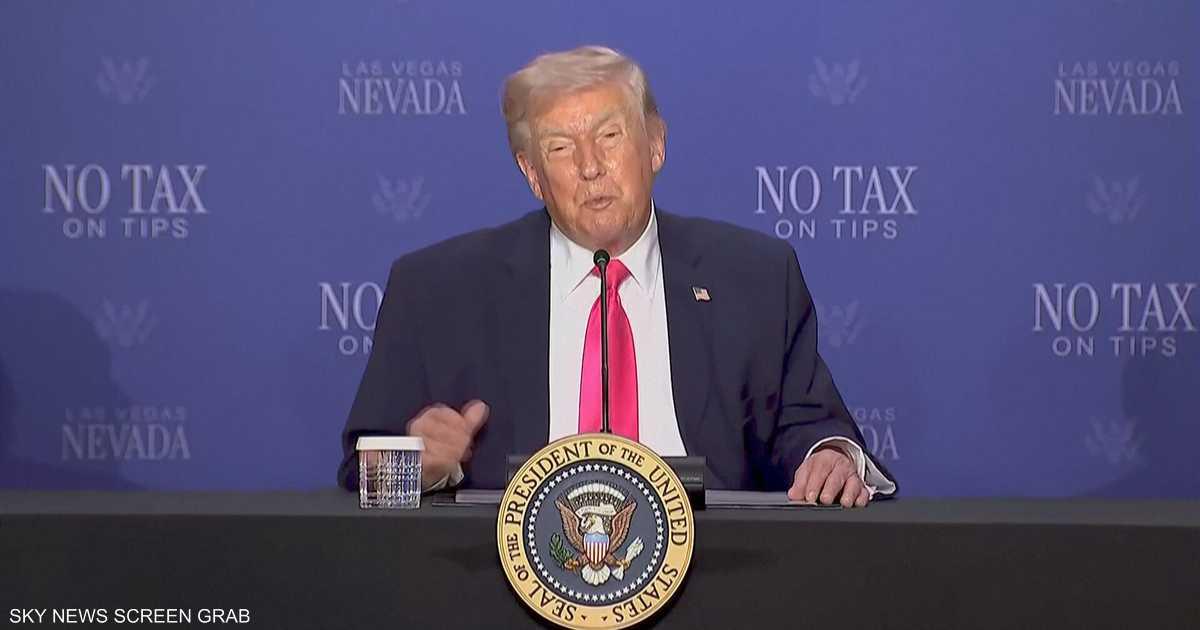
Trump Threatens To End Iran Ceasefire, Keep Blockade, Start Dropping Bombs Again
12 sources compared

Iran Partially Reopens Airspace, Six Airports Resume Operations for International Transit Flights
14 sources compared
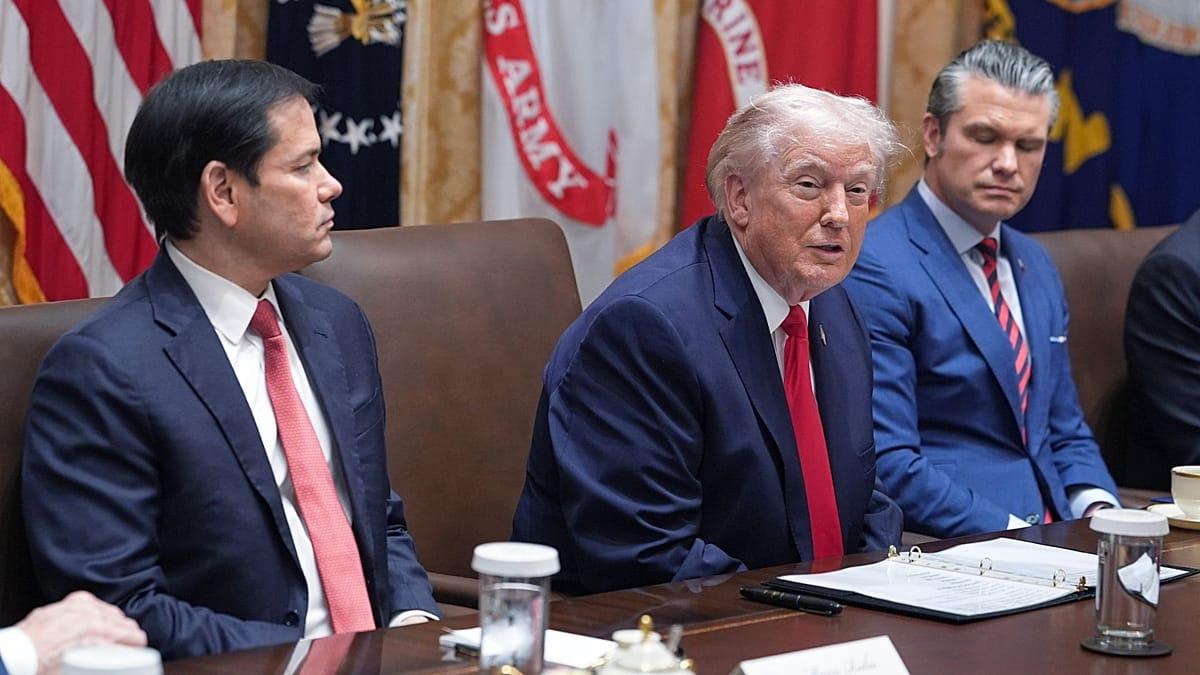
Iran Reimposes Strait of Hormuz Restrictions, Prioritizes Fee-Paying Vessels After IRGC Fire
82 sources compared