Iran-Israel10 February, 20262 min read
Trump Weighs Sending Second Aircraft Carrier Strike Group To Middle East To Pressure Iran
This article is an automated aggregation of coverage from news outlets. Our editorials offer in-depth analysis curated by the NewsCord team.
Trump considers sending a second U.S. carrier strike group to pressure Iran if negotiations collapse. U.S. and Iran have resumed nuclear talks in Oman with another round planned.
27 outlets told this the same way.
Outlets did split on U.S. Intercepts Iran Message Activating Sleeper Cells After U.S.-Israel Strike Kills Khamenei →
U.S. carriers and Iran talks
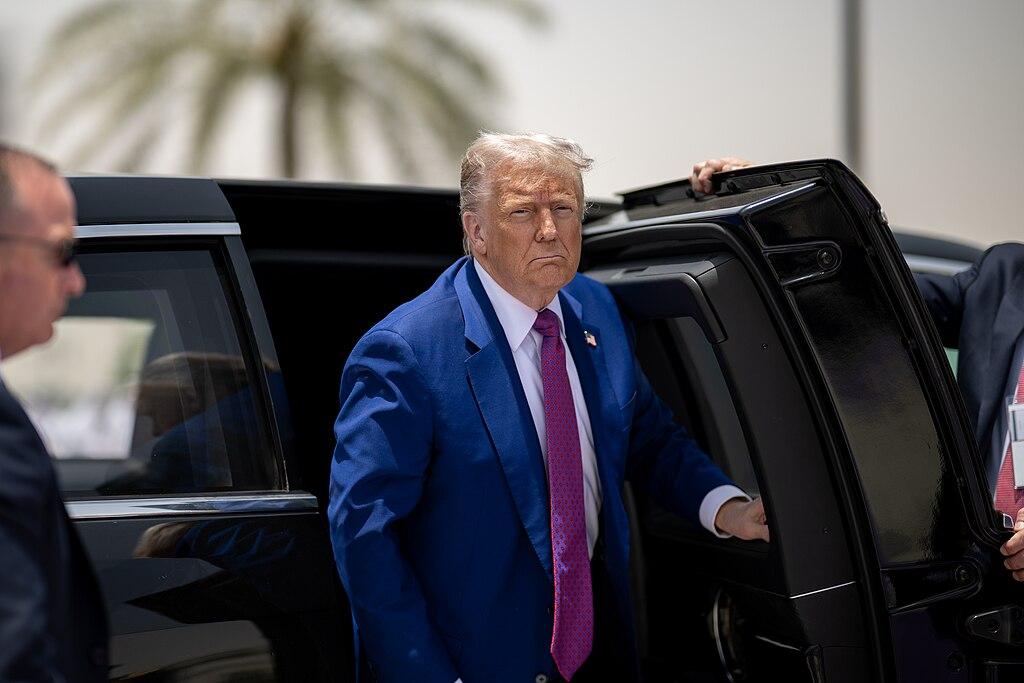
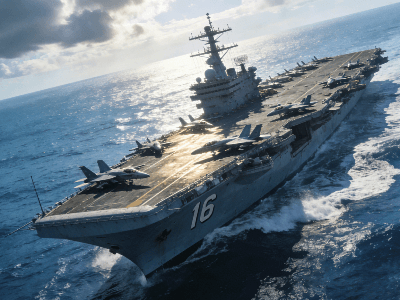
President Donald Trump said he is considering sending a second U.S. aircraft carrier strike group to the Middle East as diplomacy with Iran resumes, framing the potential move as a way to increase pressure if negotiations falter. Multiple outlets report Trump told Axios an "armada" is heading to the region and that "another one might be going," while a U.S. official confirmed internal discussions about an additional deployment to join the USS Abraham Lincoln already operating in the area. Coverage consistently links the carrier talk to renewed talks between U.S. and Iranian negotiators in Oman and notes Trump’s public warning that if diplomacy fails the U.S. may have to act "very tough."
Potential US carrier deployments
Reports differ on which carrier groups might be named and how quickly any reinforcement could arrive.
Several sources identify potential ships but note any deployment would take at least a week.

India Today and EconoTimes list the USS George H.W. Bush, the USS George Washington and the USS Gerald R. Ford among possible options.
The New Arab repeats Reuters-sourced names and timing.
Newsmax and other outlets emphasize the already-deployed USS Abraham Lincoln and a U.S. official's confirmation that discussions are ongoing.
Trump's Iran rhetoric
Trump’s language, repeatedly quoted across outlets, mixes negotiation rhetoric with forceful warning. He told media and Axios, 'either we will make a deal or we will have to do something very tough like last time,' a phrase carried verbatim by LIGA.net, The Jerusalem Post, Haaretz, Newsmax and VOI.id. Some sources present that line as a direct threat of military action (The Jerusalem Post: 'prepared to attack Iran if negotiations fail'), while others frame it as leverage intended to bring Iran to the table (Newsmax: Iran 'wants to make a deal very badly').
Diplomatic talks and obstacles
Multiple outlets emphasize the diplomatic backdrop and regional mediation, noting that Oman hosted recent talks and Iranian officials said the meetings clarified Washington's position and enabled further negotiation rounds, with Oman and Qatar named as mediators. Sources note substantive sticking points: the U.S. seeks to discuss missiles and regional activities in addition to the nuclear program, whereas Iran insists on focusing only on nuclear issues and refuses to give up enrichment rights. Reporting highlights concern that military posturing could undermine the delicate diplomatic process.
Media coverage differences
Media outlets differ in emphasis on regional impact and market reaction. Some report calm market responses and easing oil prices as traders weighed the talks and military posturing. Other outlets highlight political urgency, Israeli engagement, or past U.S. strikes.
The New Arab and India Today report markets were calm or that oil eased slightly. Israeli outlets such as The Jerusalem Post and Haaretz, along with tabloids like The Sun, emphasize urgent Israeli interest and security framing. The Sun also repeats an unverified claim about casualties from Iranian crackdowns that other outlets do not corroborate.