Trump-Xi delay cannot derail US arms sales to Taiwan, officials say.
Key Takeaways
- Iran war has not delayed arms shipments to Taiwan or changed U.S. policy.
- Trump-Xi delay will not affect U.S. arms sales to Taiwan.
- Defense Minister Wellington Koo says the arms outlook remains unaffected.
Trump-Xi Delay Context
The postponement of the scheduled meeting between US President Donald Trump and Chinese President Xi Jinping has not derailed US arms sales to Taiwan.
“The war in Iran should not affect the United States' billion-dollar arms sales to Taiwan, according to Taiwan's defense minister, Wellington Koo”
The delay, announced by Trump on March 17 amid the ongoing US-Iran conflict, was initially raising concerns about whether the war could disrupt weapons shipments to US allies including Taiwan.
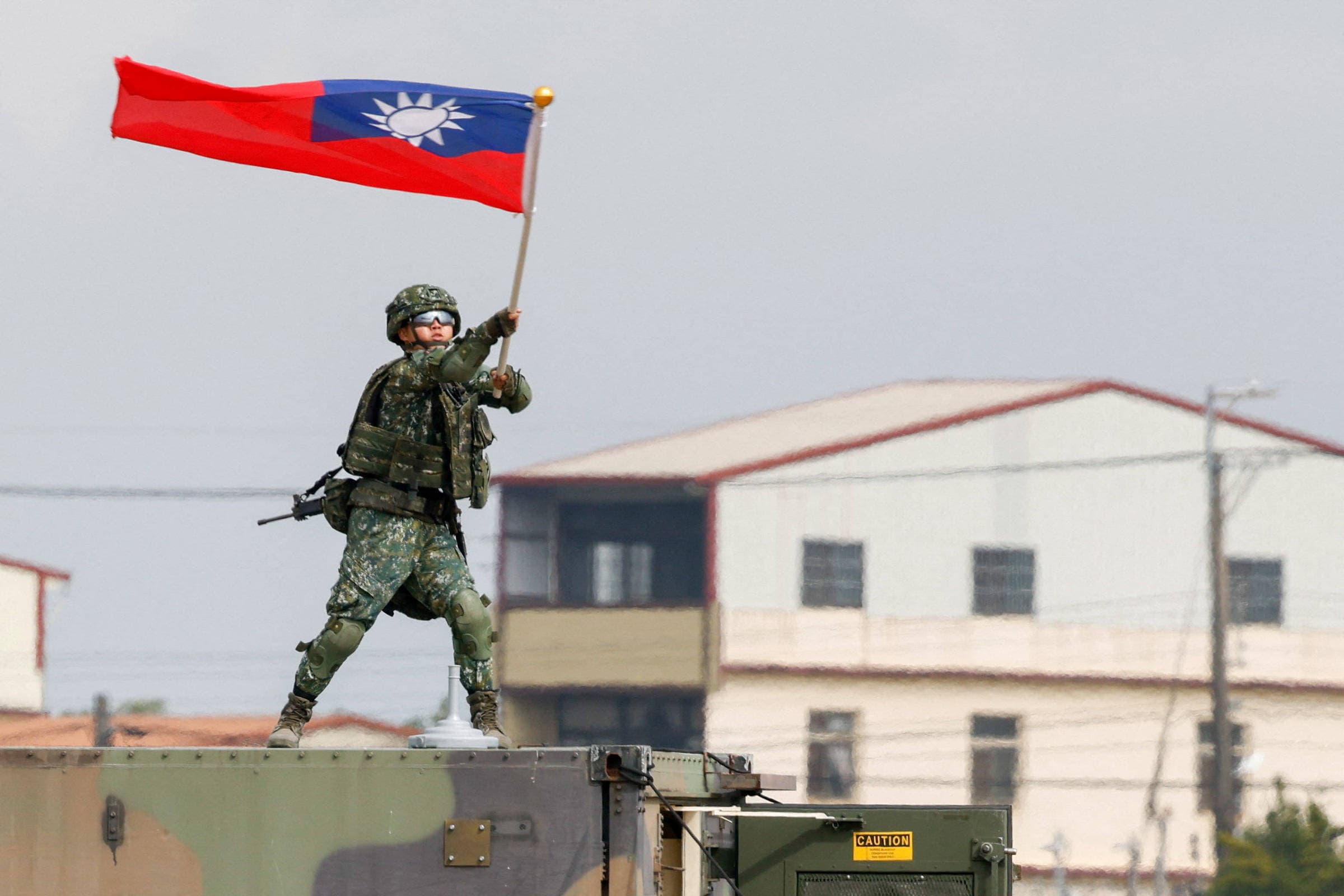
However, US officials have reassured that arms sales to Taiwan continue as planned.
Reports indicate a potential US$14 billion arms package ready for Trump's approval that would be the largest ever for the island nation.
US Officials Reassurances
US administration officials have explicitly stated that the war against Iran has not delayed or changed policy toward weapons shipments to Taiwan.
US Deputy Assistant Secretary of State for Political-Military Affairs Stanley Brown told a US House of Representatives Committee that 'We haven't' delayed moving things to Taiwan.
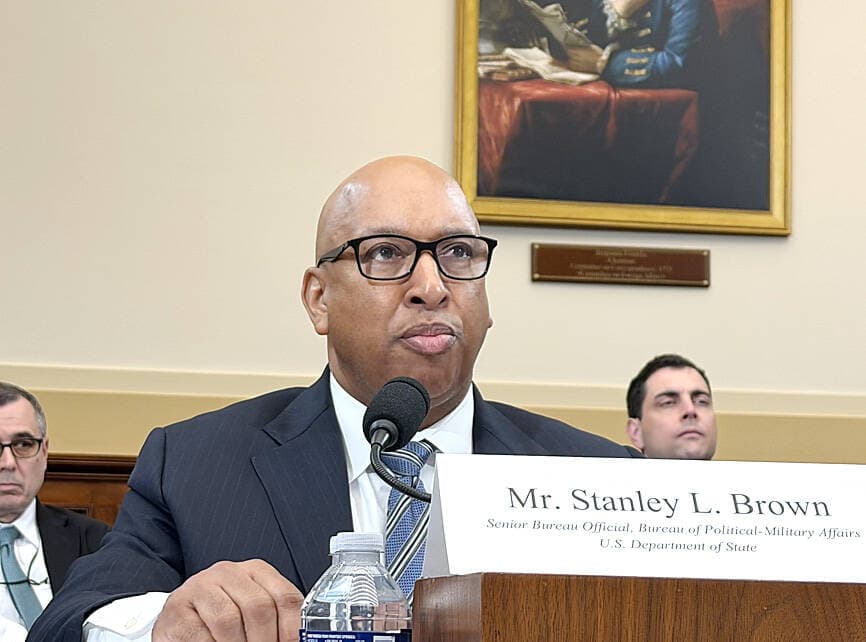
This assurance comes despite the demands of the intense air campaign against Iran.
The Trump administration was reportedly looking at ways to expedite shipments to address the existing multibillion-dollar backlog that predated the Iran conflict.
This assurance comes as the US faces pressure to maintain military support for Taiwan amid heightened tensions in the Taiwan Strait.
Taiwan Defense Position
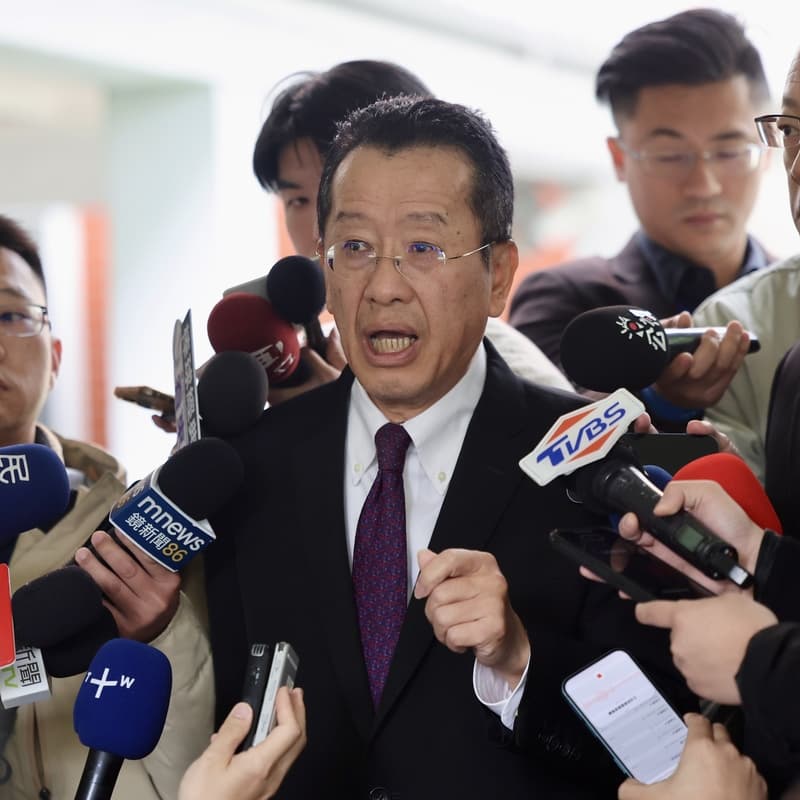
Taiwan's Defense Minister Wellington Koo has confirmed that the delay in the Trump-Xi meeting will not affect US arms sales to Taiwan.
“TAIPEI (Taiwan News) — Defense Minister Wellington Koo (顧立雄) on Tuesday said the postponement of the meeting between US President Donald Trump and Chinese leader Xi Jinping will not affect US arms sales to the country”
Koo stated that 'from what we understand, the internal review procedures are proceeding as planne' and 'I don't think we have received any information indicating delays.'
The defense chief made these remarks when asked whether the delay of Trump's trip to Beijing could also signal delays in arms deliveries.
He declined to comment on the American operation in the Middle East.
Koo emphasized that Taiwan would continue to monitor movements in the Taiwan Strait and in China as a whole.
China's Opposition
China has consistently opposed US arms sales to Taiwan, viewing the attacks on Tehran as illegal and reserving the right to use force to reunify China and Taiwan.
During a February telephone call, Chinese leader Xi Jinping told Trump that arms sales to the island should be treated with prudence.
The arms sale issue has been a persistent point of contention between Washington and Beijing.
Beijing has already demanded an end to such sales on several occasions.
Despite China's objections, the United States maintains that it does not view the sales through the lens of Taiwan's independence.
Rather, the US views them as defensive measures against potential Chinese aggression that could threaten US economic interests.
Taiwan's Defense Spending
Taiwan's parliament has recently approved a weapons purchase package worth US$9 billion.
“The US’ war against Iran has not delayed shipments of weapons to Taiwan or changed US policy toward the nation, officials from US President Donald Trump’s administration told the US Congress on Tuesday, despite the demands of the intense air campaign”
This demonstrates the island's commitment to strengthening its defense capabilities amid growing concerns about potential Chinese aggression.
The authorization comes just three days after Taiwan's parliament approved the government to sign with Washington the weapons purchase package.
The package is part of a larger sale of US$11 billion approved by the US in December.
It includes anti-tank missiles, multiple launch rocket systems, and self-propelled howitzers.
The spending was approved unanimously, though the amount is significantly lower than the additional US$40 billion in defense spending sought by President Lai Ching-te.
The opposition considers the president's proposal vague, but the unanimous approval signals bipartisan support for maintaining Taiwan's defense capabilities.
More on USA
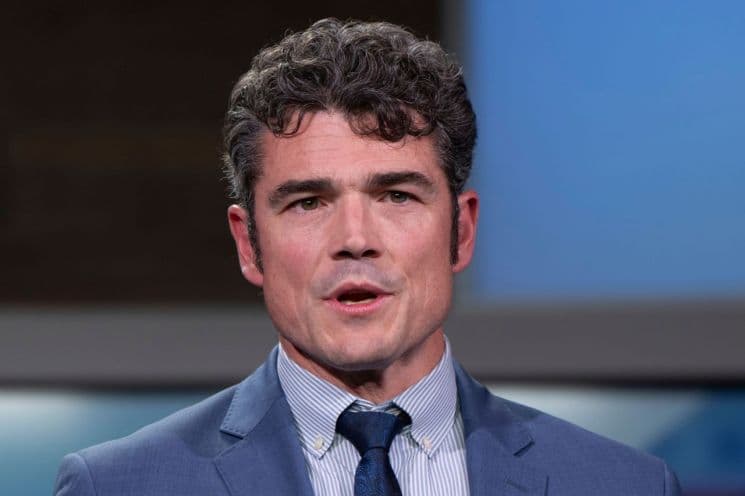
FBI investigates Joe Kent, former National Counterterrorism Center director, for allegedly leaking classified information.
81 sources compared

Lt. Gov. Juliana Stratton Wins Illinois Democratic Senate Primary to Replace Durbin
171 sources compared

Senators Grill Mullin Over DHS Nomination as Intel Officials Testify on Top Threats
91 sources compared

César Chávez Faces Sexual Abuse Allegations, Including Rape of Dolores Huerta and Other Survivors
34 sources compared