USA21 March, 20266 min read
Trump’s Border Wall Expansion Bulldozed Native American Archaeological Site in Arizona
Border-wall expansion damaged a rare Native American archaeological site in Arizona. Site lies in Cabeza Prieta National Wildlife Refuge near Sasabe, Arizona.
Bulldozed in Arizona
President Donald Trump’s border wall expansion damaged a Native American archaeological site in the Arizona desert, according to reporting cited across multiple outlets.
The Washington Post described the damage as occurring in a rare site featuring a nearly 200-foot-long “intaglio,” or an etched image of a fish, and said crews drove heavy machinery over the intaglio while satellite imagery showed a “disturbance” as crews worked to build more than three miles of new wall.
PolitiZoom’s account says the Department of Homeland Security “bulldozed a 1,000-year-old cultural site in Arizona,” and it ties the destruction to the border wall expansion in southern Arizona.
Red Lake Nation News similarly says the expansion “has damaged a rare Native American archaeological site in the Arizona desert,” and it places the damage in the context of a $46.5 billion project.
Fakti.bg adds that construction equipment used to build part of the wall on the US-Mexico border destroyed an intaglio resembling a fish dating back at least a thousand years, and it says the site is located in the Cabeza Prieta National Park Reserve.
Anadolu Ajansı reports that satellite images confirmed the disturbance to an intaglio in Cabeza Prieta National Wildlife Refuge, and it says an Interior Department official confirmed the site had been damaged last week during construction by a contractor for U.S. Customs and Border Protection (CBP).
Timeline and scale
Multiple outlets place the damage within a broader acceleration of border wall construction and provide specific figures for how quickly barriers are being built. Red Lake Nation News says the expansion project is “erecting three miles of wall a week,” and it describes the effort as “funded by the One Big Beautiful Bill,” while also saying it is introducing barriers in parts of Texas that did not previously have them and adding a second wall in much of California, Arizona and New Mexico. Anadolu Ajansı similarly says the administration is accelerating a “$46.5 billion border-wall expansion project,” building “about three miles per week” and adding new barriers or reinforcing existing barriers in Texas, California, Arizona, and New Mexico.
PolitiZoom’s account ties the damage to the Trump administration’s expansion of the border wall in “southern Arizonadamaged a Native American archaeological site,” and it says crews worked to build “more thanthree miles of new wall.” Fakti.bg states that Lorraine Marquez Eiler said the damage occurred “last week,” and it frames the intaglio as dating back at least a thousand years. The Intercept adds a more specific incident description, saying “Last Friday, without any notice, a contractor working for DHS cut a roughly 60-foot swath across the middle of the intaglio,” and it characterizes the artifact as “a nearly 280-by-50-foot etching in the desert sand known as an intaglio.”

Voices from the ground
The incident drew direct comments from Native leaders and from people involved in archaeology and refuge management, with outlets quoting their reactions.
PolitiZoom includes a quote attributed to Lorraine Marquez Eiler, an elder of the Hia-ced O’odham Indigenous people, saying, “If someone came to Washington andstarted destroying all the different sitesthatpeople in the United States revere, it’sthe same thing for us,” and it adds, “Those thingswere made by our ancestors, and it’shitting home.”
The Intercept similarly quotes Eiler describing the response she received, saying, “I alerted people but all I got was, ‘We’re going to have meetings, we’re going to discuss it,’” and it also includes a quote from archaeologist Rick Martynec comparing the destruction to another famous site: “I liken it to destroying the Nazca lines — something that culturally we should have been relishing and promoting. Not destroying.”
Anadolu Ajansı reports that CBP said the wall is intended to secure the border by deterring illegal crossings, while it says DHS rolled back environmental and Native protections to accelerate construction.
The Intercept says the refuge was “in talks with DHS and the contractor to make sure the site was protected,” and it describes how the Martynecs were notified by FWS staff on Monday after calling the refuge to check on the site’s status.
It also says the refuge manager, “Rijk Morawe,” had already been out to survey the damage and told the Martynecs what had happened.
How outlets frame it
While the underlying claim of damage to an Arizona intaglio is consistent, the outlets frame the incident differently—ranging from a focus on DHS and cultural destruction to a focus on legal and environmental bypasses. PolitiZoom centers the act as a “devastation by Trump’s administration” and explicitly links it to the Department of Homeland Security, stating that DHS “bulldozed a 1,000-year-old cultural site in Arizona.” Red Lake Nation News frames the damage as part of a rapid, large-scale barrier build, saying the administration is “moving to rapidly build hundreds of miles of additional barriers” in a “$46.5 billion project,” and it adds that “The construction is not abiding by environmental laws and other protections.”
Anadolu Ajansı similarly emphasizes legal and environmental concerns, saying the construction “bypasses environmental and legal protections,” and it reports that DHS “rolled back environmental and Native protections to accelerate construction.” The Intercept, by contrast, emphasizes the method and immediacy of the destruction, describing that “Last Friday, without any notice,” a DHS contractor “cut a roughly 60-foot swath across the middle of the intaglio,” and it characterizes the damage as “irreparable.” Le magazine GEO shifts the lens to the broader wall program and its aftermath, describing how “the U.S. government at the time built new barriers along 732 kilometers,” and it says “only 79 kilometers of that stretch were not already protected.”
What comes next
The reporting also points to what is at stake and what actions are being discussed or planned after the damage. Anadolu Ajansı says the Interior Department official confirmed the site had been damaged last week during construction by a contractor for CBP, and it adds that CBP said the wall is intended to deter illegal crossings, while it reports that with crossings at historically low levels, “some conservation groups are questioning the need to extend the barriers,” including a “second wall in parts of the refuge.” The Intercept describes the refuge’s response as being in dialogue and negotiation, saying the refuge was “in talks with DHS and the contractor to make sure the site was protected,” and it says the Martynecs were told what had happened by “Rijk Morawe,” the refuge manager, after the damage.
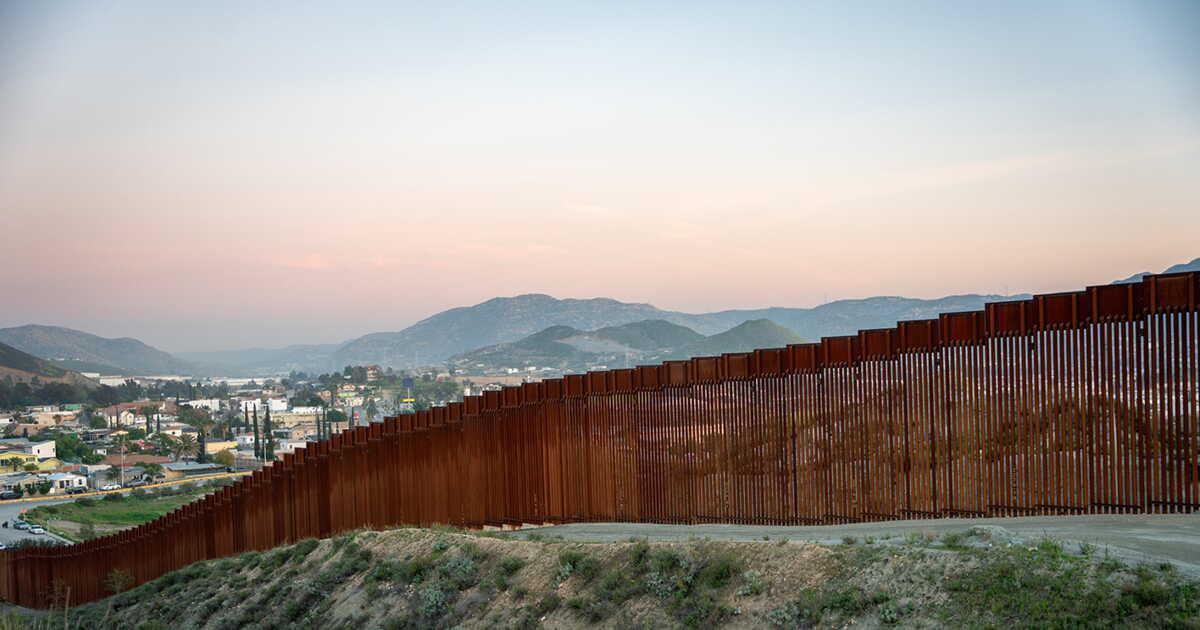
It also says the path cleared through the intaglio is part of an effort to build a “smart wall” that CBP says will allow it to monitor activity in the desert day and night, and it adds that “the agency will have to clear” further areas to do so, according to the Martynecs. Red Lake Nation News places the incident within a larger acceleration, saying the administration is moving to build “hundreds of miles of additional barriers” and that the project is “funded by the One Big Beautiful Bill.” In parallel, Reporte Indigo says the administration has begun painting the Mexico border wall black, quoting Homeland Security Secretary Kristi Noem that the paint will cause the metal bars to heat up in the sun to discourage crossing attempts.