USA10 February, 20263 min read
Trump’s Commerce Secretary Howard Lutnick Admits He Lunched On Jeffrey Epstein’s Private Island After Epstein’s 2008 Conviction For Soliciting A Minor
This article is an automated aggregation of coverage from news outlets. Our editorials offer in-depth analysis curated by the NewsCord team.
Howard Lutnick lunched on Jeffrey Epstein's private island in 2012, after Epstein's 2008 conviction Lutnick contradicted earlier claims that he cut ties with Epstein before 2005

10 outlets told this the same way.
Outlets did split on Trump Interrupted by Protesters at San Antonio Rally for Ken Paxton →
Admissions about Epstein ties
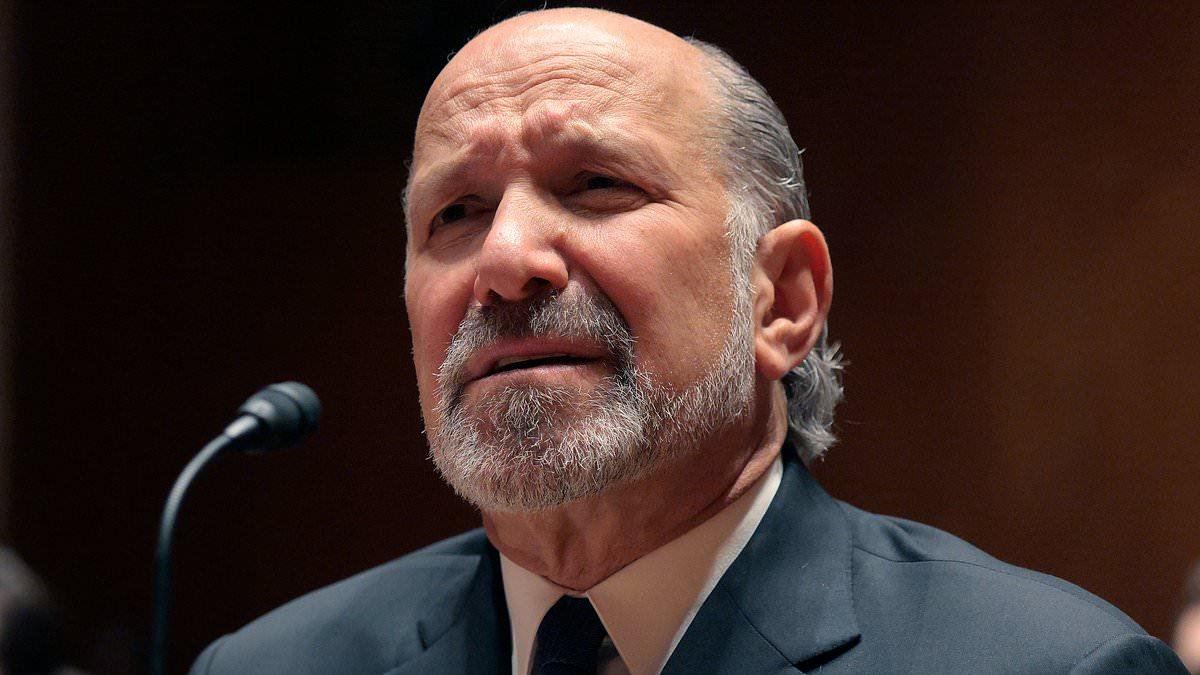
Commerce Secretary Howard Lutnick acknowledged at a Senate hearing that he lunched on Jeffrey Epstein’s private island in 2012 — after Epstein’s 2008 conviction — contradicting earlier statements that he cut ties with Epstein in 2005. Lutnick told lawmakers he had only limited contacts over many years, saying, 'Over a 14-year period, I did not have any relationship with him, I barely had anything to do with that person.'
“Over a 14-year period, I did not have any relationship with him, I barely had anything to do with that person.”
Justice Department documents released under a congressional mandate reportedly show contact through 2018 and prompted fresh calls for disclosure and accountability. The newly released files and Lutnick’s admission have drawn bipartisan scrutiny and renewed demands for records and possible resignation.

Senate hearing on Epstein ties
At the Senate hearing, Maryland Sen. Chris Van Hollen pressed Lutnick over discrepancies between his prior public statements and the newly released records.
Van Hollen accused him of misleading Congress and the public.
Lawmakers from both parties, including Reps. Ro Khanna and Thomas Massie, publicly urged further disclosures or resignation.
Lutnick repeatedly denied wrongdoing and insisted he had no substantive relationship with Epstein, telling senators, "Under no circumstances is there a single word that I've done anything even remotely wrong."
Van Hollen and others questioned whether Lutnick saw inappropriate behavior during the island visit.
Lutnick said he only observed staff.
Records challenge Lutnick's claims
The newly released Justice Department documents and emails underpinning the controversy show entries suggesting post-2005 contact, including a 2011 island-area meeting reference and a 2012 lunch, and list correspondence through 2018. Those records directly challenge Lutnick's prior public description that he had cut off contact after an uncomfortable 2005 encounter when he described Epstein as disgusting. Lutnick has disputed specific event descriptions in the files, for example denying attendance at a listed 2011 dinner while acknowledging a one-hour meeting reference, but the documents have nonetheless intensified scrutiny.
“Justice Department documents released under a congressional mandate — part of more than 3.5 million pages — reportedly show contact through 2018...”
Political responses to Lutnick
Political responses have been mixed, with Democrats and some Republicans calling for more disclosure or for Lutnick's resignation.
The White House publicly defended Lutnick through Press Secretary Karoline Leavitt, who said President Trump 'fully supports' him and called him 'a very important member' of the administration.
At the same time, lawmakers including Sen. Chris Van Hollen, Rep. Ro Khanna and Rep. Thomas Massie criticized Lutnick for allegedly misrepresenting his ties and sought additional records.
The combination of bipartisan pressure and White House backing has shaped a contentious domestic political backdrop to the revelations.
Variations in media coverage
Coverage differences show clear source-type patterns: Western tabloids like the Daily Mail foreground sensational details, for example reporting Lutnick told the New York Post he was 'creeped out' and spotlighting the family lunch on Little Saint James. Western mainstream outlets such as PBS focus on the factual reversal, the scope of the DOJ disclosures, and bipartisan demands for documents. Local Western outlets like The New Republic emphasize the hearing’s political drama and Lutnick’s forceful denials.
“Lutnick... acknowledged under oath that he, his wife, their four children, nannies and another family had lunch on the island for about an hour...”
West Asian outlets (Al Jazeera, TRT World) situate the revelations within broader international scrutiny of Epstein’s ties and note the White House defense. These variations shape how readers perceive the seriousness, political implications, and moral framing of Lutnick’s admitted island visit.
