
Trump’s Project Freedom Leads U.S. To Destroy Six Iranian Boats in Strait of Hormuz
Key Takeaways
- Trump announced Project Freedom to escort stranded ships through the Strait of Hormuz, starting Monday.
- Iran and the U.S. clashed; Iran claimed missile strikes, United States claimed boat destruction.
- Discrepant reports claim six or seven Iranian boats destroyed.
Hormuz clash and Project Freedom
The Strait of Hormuz became the focus of a renewed U.S.-Iran confrontation after President Donald Trump announced “Project Freedom” to guide stranded ships from neutral countries through the waterway, a move that both sides treated as a challenge to their control of the strait.
U.S. Central Command chief Brad Cooper said on the 4th, “We destroyed six Iranian small attack boats that were threatening commercial vessels under U.S. protection.”

Cooper said Iran fired cruise missiles and drones targeting U.S.-protected ships in the Strait of Hormuz, prompting a U.S. military response, and he added, “The U.S. military repelled the threats.”
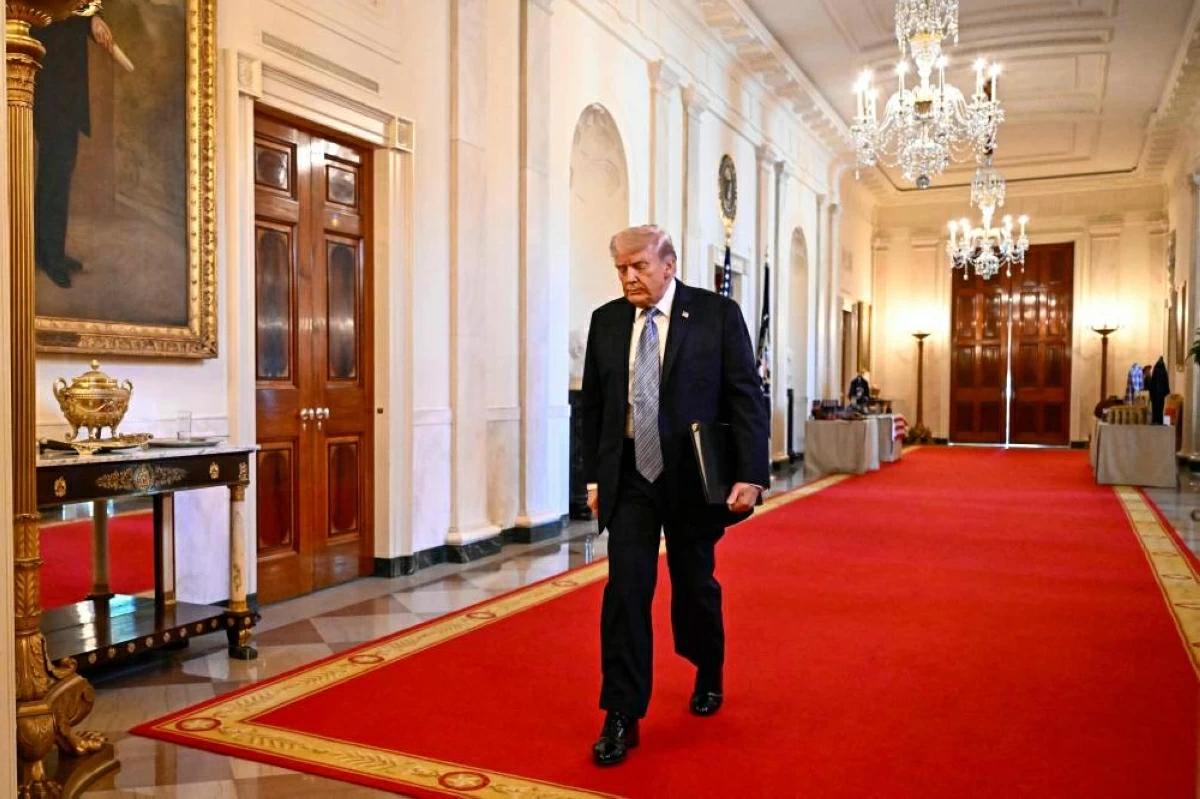
Trump told Fox News the same day, “If Iran targets U.S. ships, we will wipe them off the face of the Earth.”
The Times described the episode as the shattering of a four-week ceasefire in the Gulf, saying hostilities resumed after Trump’s overnight announcement of “Project Freedom” to guide vessels through the strait.
The Times also reported that there was no formal U.S. declaration that the ceasefire was over, while Trump kept diplomatic channels open for peace talks.
In parallel, Al Jazeera reported that Iran claimed its navy forced a U.S. warship to turn back from the Strait of Hormuz, while Washington denied any clash, framing the dispute around Trump’s “Project Freedom” mission to “free” stranded ships.
Competing claims on attacks
The clash narratives diverged sharply across outlets, with U.S. statements emphasizing destroyed boats and safe transit while Iranian and regional reporting highlighted alleged missile and drone actions and warning shots.
Cooper asserted that Iran fired cruise missiles and drones targeting U.S.-protected ships, and he said, “The U.S. military repelled the threats,” while he did not disclose how close the missiles came to U.S. warships or how many vessels were targeted.

The Times reported that Trump said American forces destroyed seven small boats in a chaotic day, while Iran claimed to have fired on U.S. warships and launched missiles at the UAE.
The Times also said Tehran’s semi-official Fars news agency claimed that Iranian forces hit two American vessels but that this was denied by U.S. Central Command, and it added that Iranian state TV later said “warning shots” were fired at US warships.
In the same reporting thread, the Times said the U.S. insisted two American-flagged merchant ships had passed successfully through the strait, a claim dismissed as “baseless and entirely false” by Iran’s Islamic Revolutionary Guard Corps.
Al Jazeera’s report likewise framed the dispute as rival narratives, stating that Iran claimed its navy forced a U.S. warship to turn back while Washington denied any clash.
The gCaptain report described the U.S. position that the first U.S.-flagged ships were already completing guided transits, citing CENTCOM’s confirmation that two U.S.-flagged merchant vessels had successfully transited the strait and were safely continuing their voyages.
Forces, guidance, and routing
U.S. officials and reporting outlets described “Project Freedom” as a guided-transit operation rather than a full reopening of the corridor, with CENTCOM emphasizing layered military support and a controlled transit concept.
The gCaptain report said the United States launched a “major naval-backed operation” aimed at guiding stranded commercial vessels out of the conflict zone, and it quoted Trump framing it as a humanitarian mission to assist “neutral and innocent” ships trapped in the strait while many vessels were running low on food and essential supplies.
It also repeated Trump’s Truth Social language: “The Ship movement is merely meant to free up people, companies, and Countries that have done absolutely nothing wrong.”
CENTCOM confirmed it would support Project Freedom with guided-missile destroyers, more than 100 aircraft, unmanned systems, and roughly 15,000 service members, and gCaptain said CENTCOM reported U.S. Navy destroyers operating inside the Arabian Gulf after transiting the Strait of Hormuz in support of the operation.
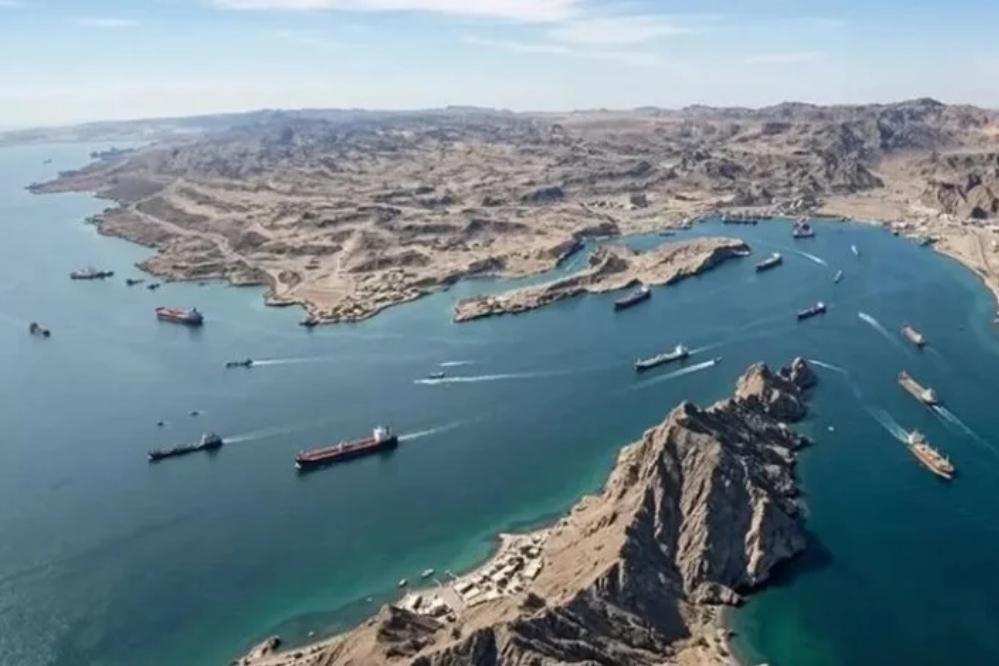
The gCaptain report further described new guidance from the Joint Maritime Information Center (JMIC), saying vessels would be routed through Omani waters south of the Traffic Separation Scheme while avoiding main shipping lanes described as “extremely hazardous” due to unresolved mine risks.
The Times similarly described Trump’s framing of Project Freedom as a “humanitarian gesture on behalf of the United States, Middle Eastern countries [and] Iran” to enable one-way transits to relieve crews stranded for weeks.
In parallel, the Reuters-linked Korean report said Cooper noted U.S. Navy destroyers equipped with ballistic missile defense capabilities, “over 100 land- and sea-based aircraft,” “multi-domain unmanned platforms,” and “15,000 personnel,” and it said additional ships were en route after two U.S.-flagged commercial vessels successfully exited the waterway.
Iran’s coordination demands and threats
Iran’s position, as presented in the reporting, centered on coordination requirements and warnings that foreign military presence without agreement would be treated as hostile.
The gCaptain report said Tehran warned that all vessels transiting the Strait must coordinate with its armed forces, raising the risk that U.S.-escorted movements could trigger confrontation, and it described Iranian officials saying any foreign military presence in the Strait without coordination would be treated as a violation.

It also said Trump warned that interference with the U.S. mission would be met “forcefully,” and it tied that to Iranian officials saying they fired warning shots at a U.S. warship approaching the Strait while Washington denied any damage and said its forces remain fully operational.
The Times reported that Iran said it would enforce its control over the strait “with all our might,” and it quoted Ali Abdollahi Aliabadi, an Iranian military commander, telling Fars that Iran would “maintain and manage the security of the Strait of Hormuz with all our might.”
The Times also included Aliabadi’s warning that “We call on all commercial ships and oil tankers to refrain from taking any action to travel without the co-ordination of the armed forces stationed inthe Strait of Hormuz,” and it added, “We warn that any foreign armed forces, especially the aggressive US army, will be attacked if they intend to approach and enter the Strait of Hormuz.”
The Reuters-linked Korean report said a senior Iranian government official denied the U.S. claims via state media, stating, “The U.S. assertion that Iranian military boats were sunk is untrue.”
In the same Korean report, Trump’s threat was reiterated: “If Iran targets U.S. ships, we will wipe them off the face of the Earth.”
Incidents, risks, and next steps
As Project Freedom proceeded, the reporting highlighted additional incidents and the possibility that the operation would not translate into broad commercial reopening without further de-escalation.
“The world held its breath as Islamabad negotiations between Washington, represented by the American Vice President Divans, and the Speaker of the Iranian Parliament Qalibaf unfolded”
gCaptain said a South Korean-operated cargo ship reported an explosion and fire while transiting the Strait, describing it as aboard the Panama-flagged vessel HMM Namu, and it said South Korea’s government was investigating whether the incident was the result of an attack, while noting that no casualties were reported and the cause of the engine room fire remained unconfirmed.
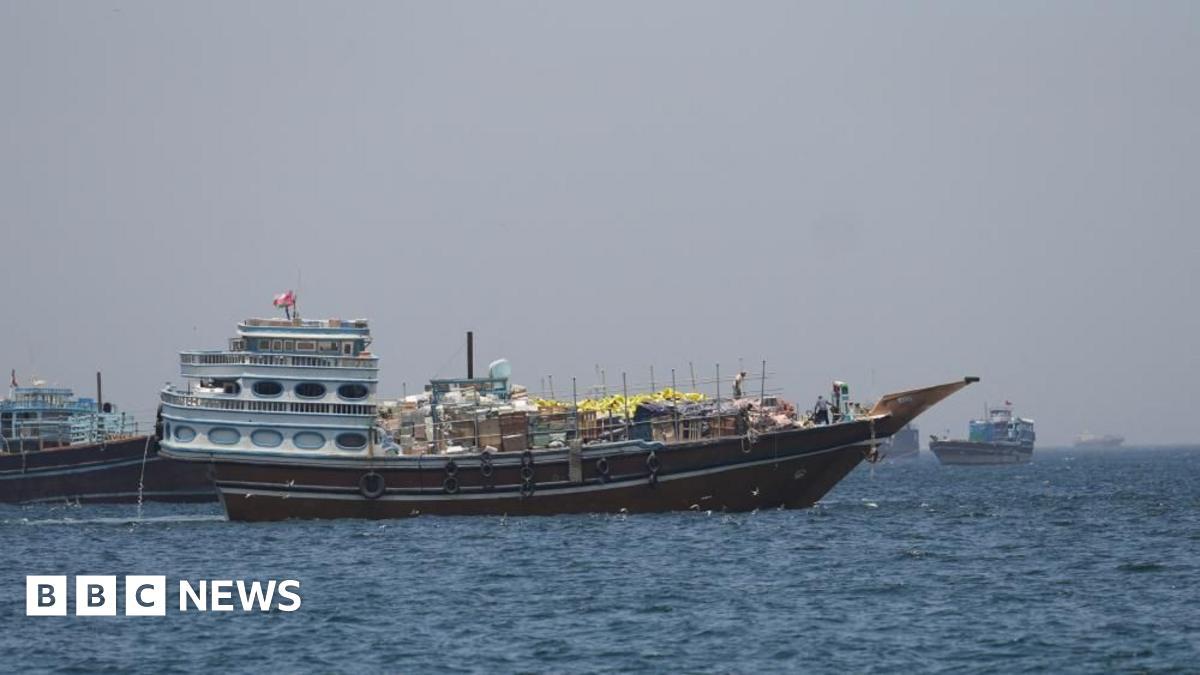
gCaptain also said Trump posted that Iran had “taken some shots” at vessels involved in the operation, including a South Korean cargo ship, and that aside from the South Korean vessel there had been “no damage going through the Strait.”
The same report described UK Maritime Trade Operations (UKMTO) saying a tanker was struck by unknown projectiles north of Fujairah and that a bulk carrier reported being approached by multiple small craft near the Iranian coast, while it also mentioned suspicious VHF broadcasts with vessels receiving unclear instructions to alter course.
The Times added that the UAE called Iran’s firing of missiles a “dangerous escalation” and said it “reserves its full and legitimate right to respond to these attacks,” and it reported that missile warning alerts sounded across the UAE before the attack caused a fire in an oil industry zone in Fujairah.
The Times also said the hostilities resumed after Trump’s announcement overnight of Project Freedom, and it described the episode as returning the Gulf “back to the brink of war.”
In the background of these incidents, gCaptain quoted BIMCO’s Jakob Larsen saying, “Without consent from Iran… it is not clear whether the Iranian threat to ships can be degraded or suppressed,” and it warned that the operation could trigger renewed hostilities if miscalculated.
More on Iran

U.S. Sinks 7 Iranian Boats as Iran Launches Missiles and Drones at UAE
10 sources compared
US Guided-Missile Destroyers Open Strait of Hormuz Route After Iran Fires Missiles and Drones
32 sources compared
Trump Threatens Iran Over Strait Of Hormuz As Project Freedom Guides Ships
21 sources compared

Trump Threatens Iran After U.S. Operation Targets Drones and Small Boats in Strait of Hormuz
19 sources compared