Full Analysis Summary
Moussi sentencing and crackdown
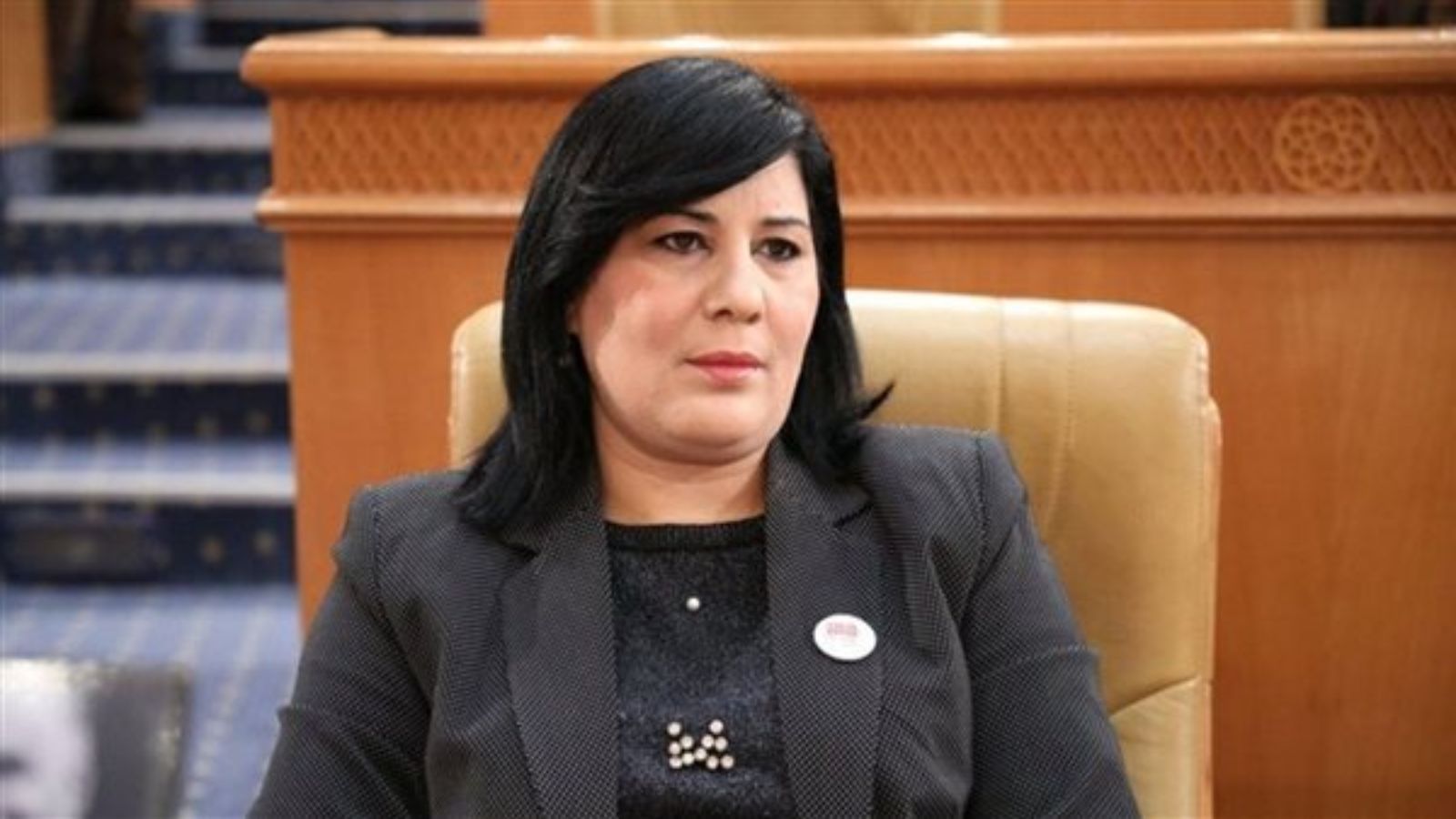
A Tunisian court sentenced opposition leader Abir Moussi to 12 years in prison.
Sources link the decision to a broader crackdown on critics of President Kais Saied.
Al Jazeera reports the sentence as part of a wider campaign against opponents and notes Moussi has been held since October 3, 2023.
The outlet says she was tried for the third time in two years.
Her lawyer described the ruling as politically motivated.
The Indian Express similarly quoted Moussi’s lawyer Nafaa Laribi calling the ruling unjust and politically motivated.
The Indian Express added that Moussi was detained following her 2023 arrest at the presidential palace.
Both outlets place the sentence in the context of Saied’s consolidation of power since he shut down parliament in 2021 and has been accused of sidelining democratic institutions.
Coverage Differences
Tone and emphasis
Al Jazeera (West Asian) emphasizes the broader political purge and quotes President Saied’s rhetoric about “cleansing the country of ‘traitors,’” framing the sentence as part of systematic targeting and decline of Tunisia’s post‑Arab Spring democratic reputation. The Indian Express (Asian) stresses legal accusations and specific charges — reporting Moussi’s arrest at the presidential palace on suspicion of assault “intended to cause chaos” — and highlights rights groups’ framing of the sentence as part of a wider crackdown. Each source reports claims (for example, lawyer statements and rights‑group views) rather than presenting uncontested facts.
Coverage of Moussi's detention
Sources emphasize different aspects of Moussi's detention.
The Indian Express reports she was arrested at the presidential palace on suspicion of assault 'intended to cause chaos,' an allegation she denies and characterizes as legal criticism.
Al Jazeera says this was at least her third trial in two years, cites the opposition calling the verdict arbitrary and unjust, and notes her role as head of the Free Destourian Party and prior support for Zine El Abidine Ben Ali.
Coverage Differences
Missed information / Focus
The Indian Express (Asian) reports the alleged charge’s wording — arrest on suspicion of assault “intended to cause chaos” — which gives readers concrete details of the accusation. Al Jazeera (West Asian) focuses more on the political context (third trial in two years, party condemnation, Moussi’s political background) and frames it within Saied’s broader purge. Both sources report the lawyer’s and party’s reactions rather than asserting guilt or innocence.
Tunisia prosecutions overview
Both sources place Moussi's sentence within a wave of prosecutions that began after Saied's 2021 power grab.
The Indian Express highlights a recent appeals court ruling that handed up to 45-year terms to numerous opposition figures, businesspeople and lawyers on alleged conspiracy charges.
Al Jazeera similarly presents the case as one of dozens targeting politicians, journalists and civil society figures and emphasizes that Tunisia's democratic standing since the Arab Spring has eroded under rule by decree.
Coverage Differences
Narrative and scope
Al Jazeera (West Asian) frames the Moussi conviction explicitly as part of a sweeping political purge since Saied shut down parliament and has ruled largely by decree, highlighting the broader democratic backsliding. The Indian Express (Asian) provides additional detail about other judicial penalties (appeals court handing up to 45‑year terms), giving a concrete example of severe sentences against a range of figures. Each source reports rights‑group characterizations of the events as a widening crackdown rather than asserting judicial impropriety as established fact.
Reactions to Tunisian verdict
Reactions and implications differ in emphasis but converge on concern.
Both sources record the Free Destourian Party's denunciation of the verdict as arbitrary and unjust and report lawyers and rights groups calling the verdict politically motivated.
They both portray the sentence as reinforcing fears about Tunisia's democratic erosion.
Neither source presents independent evidence proving political motivation or guilt; they report statements from Moussi, her lawyer and rights groups.
Both pieces leave open legal avenues such as appeals or further legal processes, while making clear the broader political consequences for Tunisian opposition space.
Coverage Differences
Attribution and caution
Both Al Jazeera (West Asian) and The Indian Express (Asian) attribute the claims of political motivation to Moussi’s lawyer, her party and rights groups — using terms like the lawyer “called the ruling politically motivated” and describing rights groups’ views — thereby distinguishing reported claims from established facts. Neither source supplies independent verification; the differences lie in Al Jazeera’s stronger contextual framing of Tunisia’s democratic decline and The Indian Express’s focus on legal charge wording and recent heavy sentences affecting many figures.