Gaza Genocide02 November, 20253 min read
Turkey Hosts International Meeting to Demand End to Israel’s Siege and Restore Palestinian Control Over Gaza
This article is an automated aggregation of coverage from news outlets. Our editorials offer in-depth analysis curated by the NewsCord team.
Turkey hosted a ministerial meeting with Muslim countries to discuss Gaza ceasefire and humanitarian crisis. Meeting participants demanded immediate end to Israel’s siege and restoration of Palestinian governance in Gaza.
18 outlets told this the same way.
Turkey-led Gaza Ceasefire Efforts
Turkey is convening an urgent Istanbul meeting with foreign ministers from Qatar, Saudi Arabia, the UAE, Jordan, Pakistan, and Indonesia to coordinate a unified push to harden the ceasefire. The meeting aims to force open sustained humanitarian access and move Gaza’s security and governance back into Palestinian hands. Organizers frame the goal as transforming the ceasefire into lasting peace, with Ankara backing an international task force to monitor the truce.
“Turkey is organizing a meeting in Istanbul with foreign ministers from Qatar, Saudi Arabia, the UAE, Jordan, Pakistan, and Indonesia to coordinate efforts on Palestinian security and governance in Gaza, aiming to turn the ceasefire into lasting peace.”
Israel opposes any Turkish armed presence in Gaza despite these plans. Turkish officials will directly call out Israel for undermining the ceasefire and for blocking adequate aid flows. They argue that international pressure must compel uninterrupted assistance and concrete steps toward Palestinian self-governance and reconstruction.

Gaza Aid and Governance Efforts
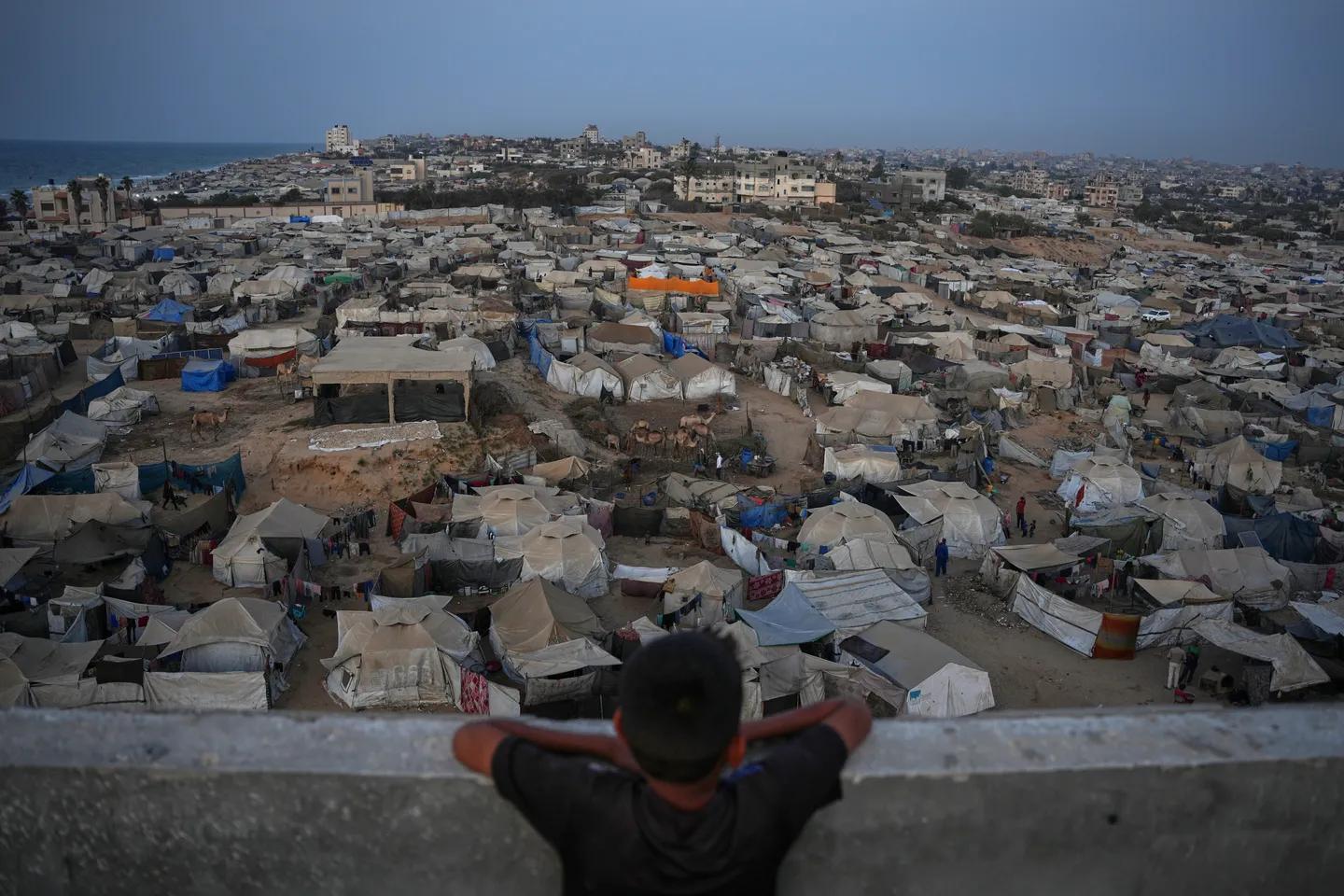
Ankara and participating states say ending Israel’s chokehold on aid and restoring Palestinian administration are immediate priorities. Turkish officials will demand uninterrupted aid and pressure on Israel to fulfill obligations, while advocating arrangements that let Palestinians take responsibility for Gaza’s security and administration and preserve a two-state horizon.
Pakistan will push for a full truce, Israel’s withdrawal from occupied Palestinian territories, unrestricted aid, coordinated reconstruction, and the safe return of displaced Palestinians. Turkey also helped persuade Hamas to accept the U.S.-led ceasefire, and some plans under discussion include a demilitarization track alongside a transfer of governance to Palestinians.

Ongoing Conflict and Ceasefire Issues
Reports agree that Israeli strikes have continued killing people in Gaza even under the ceasefire. ABC News says Prime Minister Benjamin Netanyahu ordered powerful strikes after what Israel called ceasefire violations. Over 200 people have been killed since the truce began on October 10, including at least 104 killed during a brief resumption of Israeli strikes.
“Israeli Prime Minister Benjamin Netanyahu ordered powerful military strikes in response to alleged ceasefire violations, resulting in significant casualties in Gaza.”
The ICRC managed transfers of bodies between Israel and Gaza as part of the agreement. Doctors Without Borders demanded a sustained ceasefire to stop the killing.
West Asian outlets accuse Israel of undermining the truce and restricting aid. The UN is being pressed to widen NGO access to get food, water, and medicine into Gaza.
International Reactions to Gaza Crisis
Turkey and allied states denounce what they describe as a Gaza genocide and demand an end to Israel’s siege tactics choking aid and destroying civilian life. The New Arab reports President Erdogan accused Israel of genocide, a claim some UN experts and human rights groups also support. Al-Jazeera Net cites Turkey’s genocide condemnation and reports over 68,000 Palestinian deaths, 170,000 injuries, and destruction of about 90% of Gaza’s civilian infrastructure with damages exceeding $70 billion.
These grave claims sharply contrast with the narrower casualty accounting in ABC News, which focuses on deaths during the ceasefire period. The shared thrust across West Asian and Asian sources is to restore Palestinian control, secure unrestricted aid, and press Israel to withdraw from occupied territory as part of a path to an independent state.

Ceasefire Dates and Diplomacy
Key mechanics of the ceasefire and diplomatic track vary by source. ABC News dates the truce to October 10, while Minute Mirror puts it on October 9 and TRT World and usmuslims also refer to October 10. Geo TV credits Egypt, Qatar, Turkey, and the U.S. as brokers, while The New Arab says the U.S. brokered it alone.
“Since the ceasefire between Israel and Hamas began on October 10... Despite the brief resumption of strikes, the ceasefire remains in place.”
Turkey supports an international monitoring task force, but The New Arab notes Israel opposes Turkish armed forces in Gaza. AnewZ mentions Turkey seeking urgent talks on Gaza in a roundup that also lists unrelated global items, showing how some outlets diffuse the Gaza story amid broader coverage.
