Other11 November, 20252 min read
Turkish Prosecutors Demand More Than 2,000-Year Prison Term for Jailed Istanbul Mayor Ekrem Imamoglu
This article is an automated aggregation of coverage from news outlets. Our editorials offer in-depth analysis curated by the NewsCord team.
Prosecutor seeks over 2,000-year sentence for jailed Istanbul mayor Ekrem İmamoğlu Indictment accuses him of 142 offences including running a criminal organisation, bribery and money‑laundering

21 outlets told this the same way.
Indictment of Istanbul mayor
Turkish prosecutors have filed a sprawling indictment against jailed Istanbul mayor Ekrem İmamoğlu that runs to roughly 3,900–4,000 pages and names 402 suspects. The indictment seeks more than 2,000 years in prison and alleges a broad corruption network that cost the state about 160 billion lira (roughly $3.8 billion). The indictment lists 142 offences in some reports, including organising a criminal group, bribery, fraud, money‑laundering and bid‑rigging.
“A Turkish prosecutor on Tuesday sought a prison term of more than 2,000 years for Ekrem Imamoglu, the jailed opposition mayor of Istanbul and a main political rival of President Tayyip Erdogan, accusing him of leading a large corruption network that cost the state about 160 billion lira (roughly $3.8 billion) over a decade.”
Prosecutors present findings from the Financial Crimes Investigation Board (MASAK), expert analyses and digital and video material as part of the case. News outlets report varying maximum theoretical totals sought, with figures quoted including roughly 2,352 and 2,430. They consistently describe an unusually large multi‑thousand‑page case that accuses İmamoğlu of leading a wide criminal network.
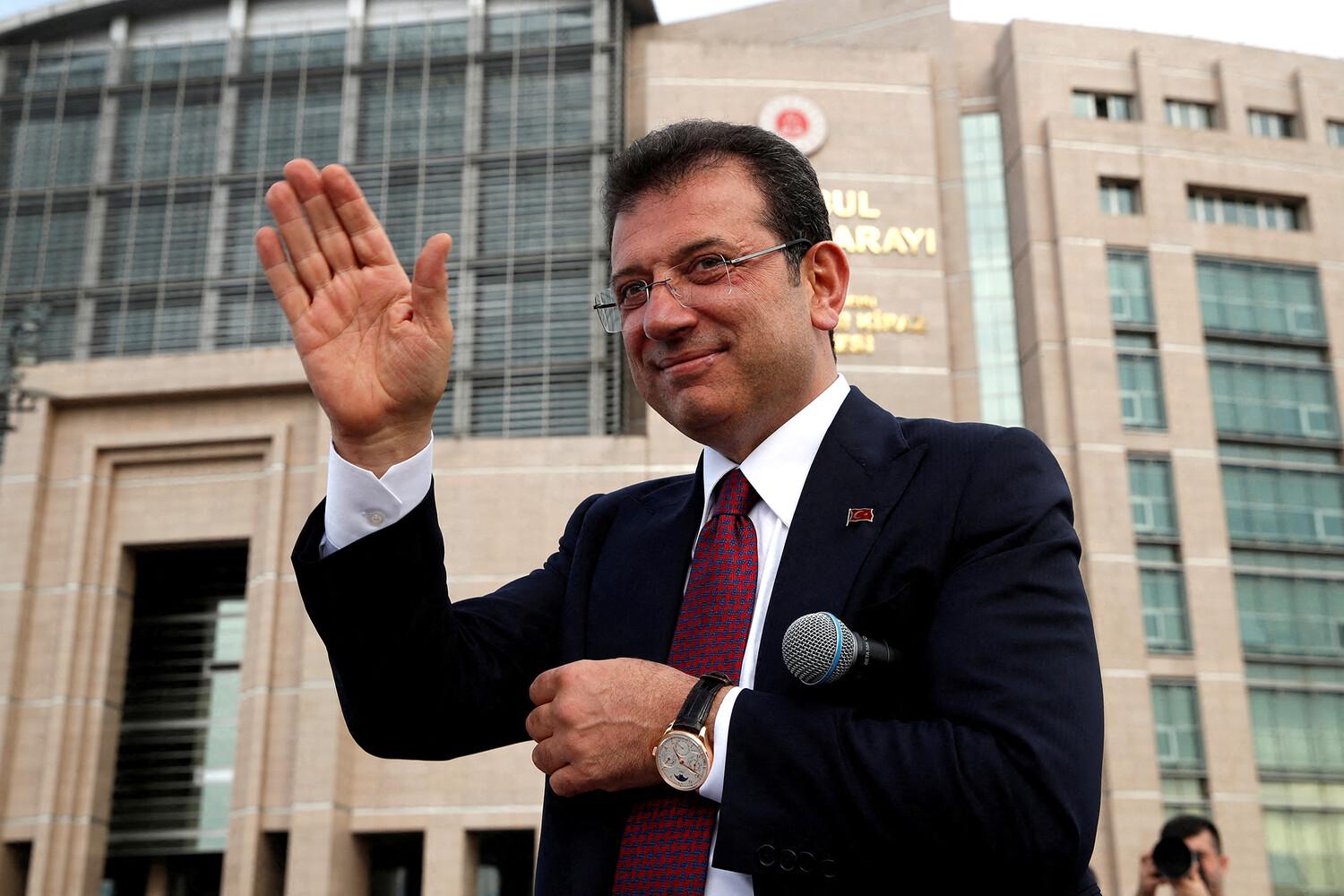
İmamoğlu case overview
İmamoğlu, a leading figure in the main opposition Republican People’s Party (CHP) and a prominent rival to President Recep Tayyip Erdoğan, has been jailed since March after being arrested in a broader legal sweep that detained multiple CHP mayors and officials. He denies the allegations, and the CHP calls the indictment politically motivated, with party leaders describing it as 'totally political' or 'nonsense', while critics and rights groups warn the prosecutions could be aimed at sidelining a potential presidential challenger. Turkish authorities and government spokesmen counter that the judiciary is independent and that the cases are standard probes into alleged corruption.
Political fallout in Turkey
Analysts, opposition figures and some outlets warn of immediate political consequences if the case proceeds. They say the indictment and related petitions asking courts to examine irregularities at the CHP could pave the way for a government trustee to be appointed in Istanbul, an administrative ban on İmamoğlu's political activity, or even moves to seek closure of the CHP.
“Separately, the prosecutor also asked a higher court to consider shutting down the CHP as part of a broader, year‑long legal crackdown on Erdogan’s critics.”
Such actions would reshape Turkey's political landscape ahead of future presidential contests. Reports also note practical effects already being felt, such as market reactions and prior administrative moves targeting İmamoğlu's eligibility.
Indictment details and allegations
The indictment package includes an organisational chart depicting İmamoğlu as the group's founder and leader. It cites MASAK (Financial Crimes Investigation Board) findings. It alleges mechanisms such as a secret municipal fund that coerced businesspeople into paying bribes.
The documents are said to include expert analyses as well as digital and video evidence. Some outlets list additional accusations beyond core corruption counts, such as alleged espionage, falsifying a university degree and passing residents' personal data to obtain foreign funding. These accusations widen the legal scope and are presented by prosecutors as part of the case's factual matrix.
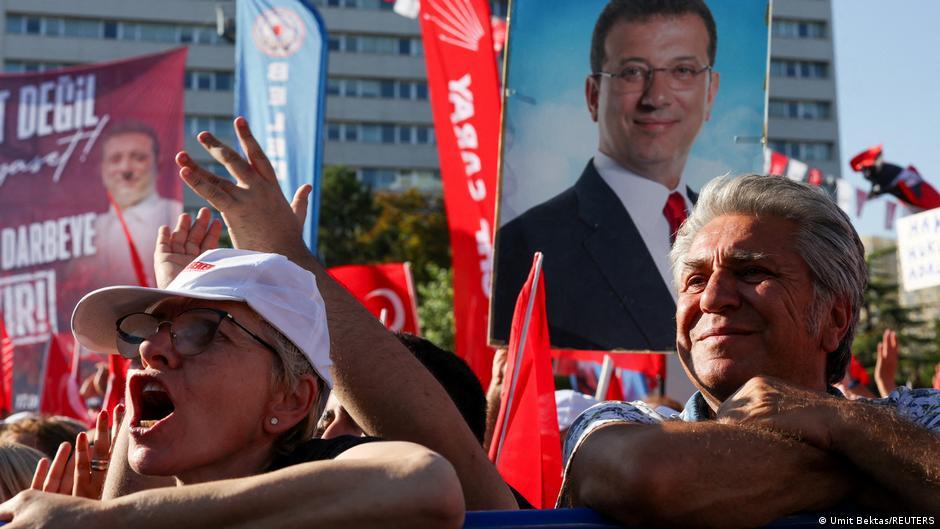
Media reactions to indictment
Many outlets record CHP and İmamoğlu's forceful denials and calls that the case is political, while other reports stress official claims of judicial independence and note that Reuters and other agencies could not independently verify the indictment's allegations. Some sources highlight public unrest after the March arrests and warnings from rights groups, while others note pragmatic consequences such as potential bans on candidacy and market jitters. Overall, coverage blends factual reporting of the legal filings with interpretive framing that depends on each outlet's perspective.
“Imamoglu denies wrongdoing, calling the case a transparent bid to prevent his presidential run, and his March arrest drew criticism from international rights groups and democracy watchdogs.”