Europe19 January, 20262 min read
Two High-Speed Trains Crash in Southern Spain, Killing At Least 39
At least 39 people were killed. A Madrid-bound high-speed train derailed, crossed tracks, and struck an oncoming train near Adamuz.

13 outlets told this the same way.
Outlets did split on Marco Rubio Urges Europe To Awaken From Slumber In Athens Speech →
Córdoba train collision
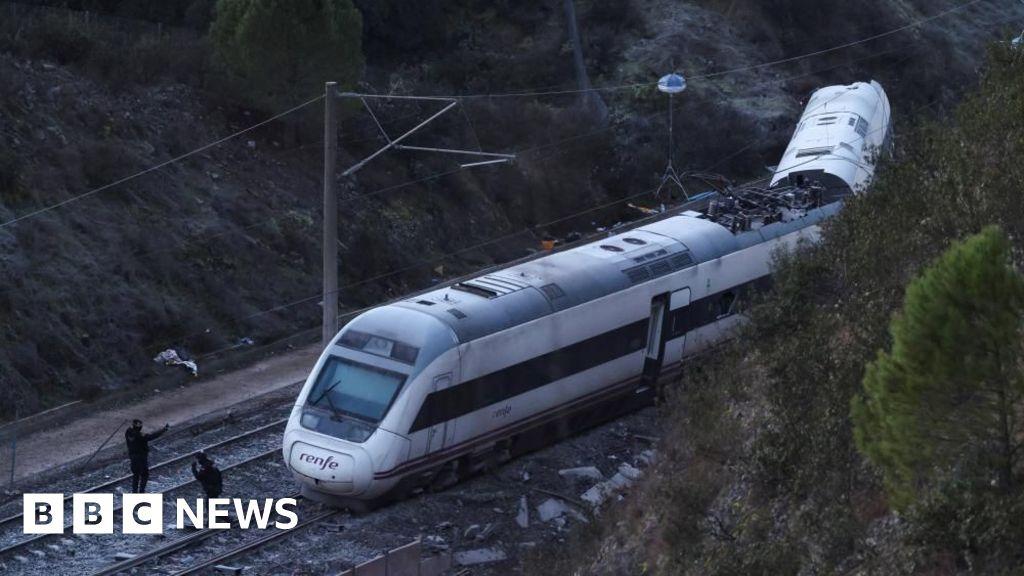
Near Adamuz in Córdoba province, southern Spain, two high-speed passenger trains collided on Sunday evening, killing at least 39 people and injuring dozens. Reports say the crash occurred at about 19:45 (7:45pm). An Iryo service from Málaga to Madrid derailed and crossed onto the adjacent track, striking an oncoming Renfe Madrid–Huelva train.
“At least 39 people have been killed and about 170 injured after a high-speed train derailed and collided with an oncoming train near Adamuz in Córdoba province, southern Spain, on Sunday night.”
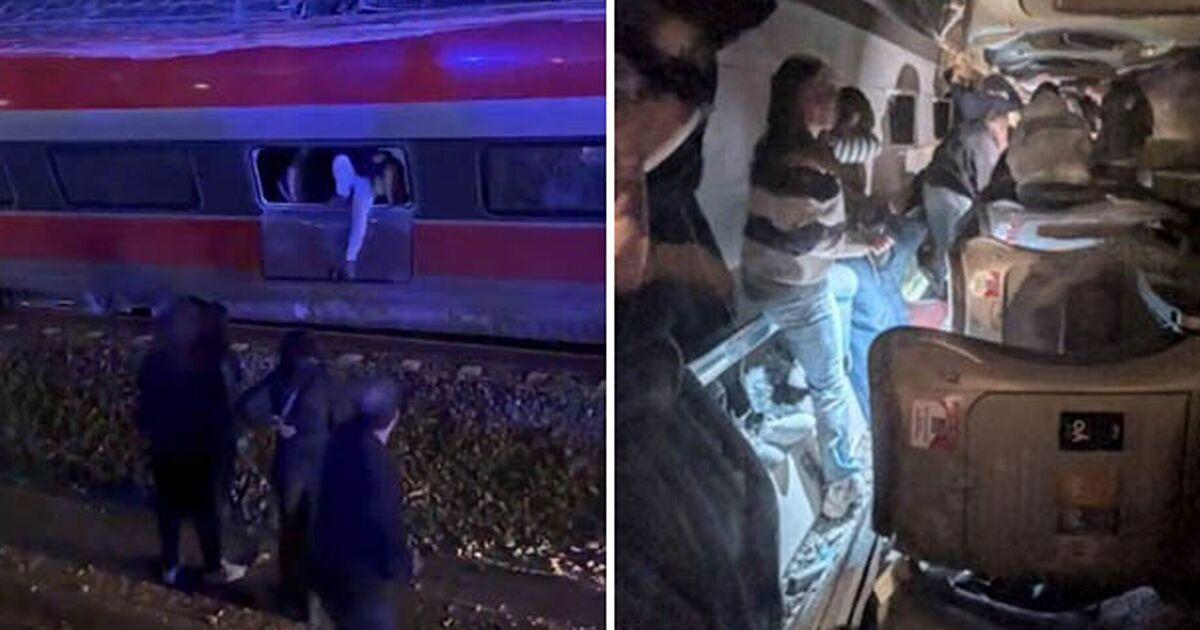
Footage and drone images from the scene showed twisted carriages and passengers climbing from smashed windows. Authorities suspended high-speed services between Madrid and Andalusian cities while emergency teams worked through the night to recover victims and treat the wounded.
Early casualty reports
Early casualty figures vary across outlets as rescue and hospital teams continued to work. Most sources agree on at least 39 dead but report different totals for the injured and hospitalized.
Accounts range from roughly 73 injured (LADbible) to about 122 (South China Morning Post), 159 (United News of Bangladesh) and roughly 170 (London Evening Standard and The Irish Sun). Hospitals reported dozens admitted, with multiple people in critical or intensive care and some children among the casualties.
Emergency rescue and coverage
Rescue operations and on-scene response were widely reported. Emergency crews worked into the night extracting passengers from mangled carriages. Temporary facilities were set up, including a local sports centre used as a makeshift hospital.
“Emergency crews worked through the night amid images of twisted carriages and passengers escaping through shattered windows; a local sports centre was turned into a temporary hospital and the Red Cross set up an assistance centre.”
Agencies such as the Red Cross offered assistance. Visual coverage, including video and drone footage, showed overturned or twisted carriages and responders pulling people from wreckage. Some reports said several carriages fell down a four-metre embankment, complicating access and recovery.
Official responses and reactions
Spain's Transport Minister Óscar Puente described the crash as puzzling because it occurred on a flat, recently renovated stretch of track, and he warned that a careful investigation could take up to a month. Prime Minister Pedro Sánchez and other national and regional figures offered condolences. Some reports named the Renfe driver among the dead and noted the high-speed lines' relative modernity, while other outlets quoted experts as 'extremely baffled' or used slightly different adjectives for the minister's reaction.
Coverage of Spain rail crash
Contextual details and emphasis vary by outlet. Some pieces note Spain’s large high-speed network and the relative newness of the rolling stock and track. Others stress the human impact and visual scale of the wreckage, while a few provide specific technical or passenger counts.
“Spain has Europe’s largest high-speed rail network, with more than 3,100 km of track.”
Early reporting also places the crash among Spain’s worst rail disasters in recent years. As investigators proceed, differing emphases—technical mystery, casualty tallies, rescue difficulty, or the symbolism of the network’s modernity—show how source type (tabloid, mainstream, regional/Asian) influences which details are foregrounded.
