Technology and Science05 November, 20252 min read
Typhoon Kalmaegi Kills Over 100 in Philippines and Ravages Vietnam Coastline
This article is an automated aggregation of coverage from news outlets. Our editorials offer in-depth analysis curated by the NewsCord team.
Typhoon Kalmaegi caused at least 114 deaths and left over 120 missing in central Philippines. The storm displaced over 560,000 people and severely flooded Cebu province, worsening earthquake recovery.
61 outlets told this the same way.
Impact of Typhoon Kalmaegi
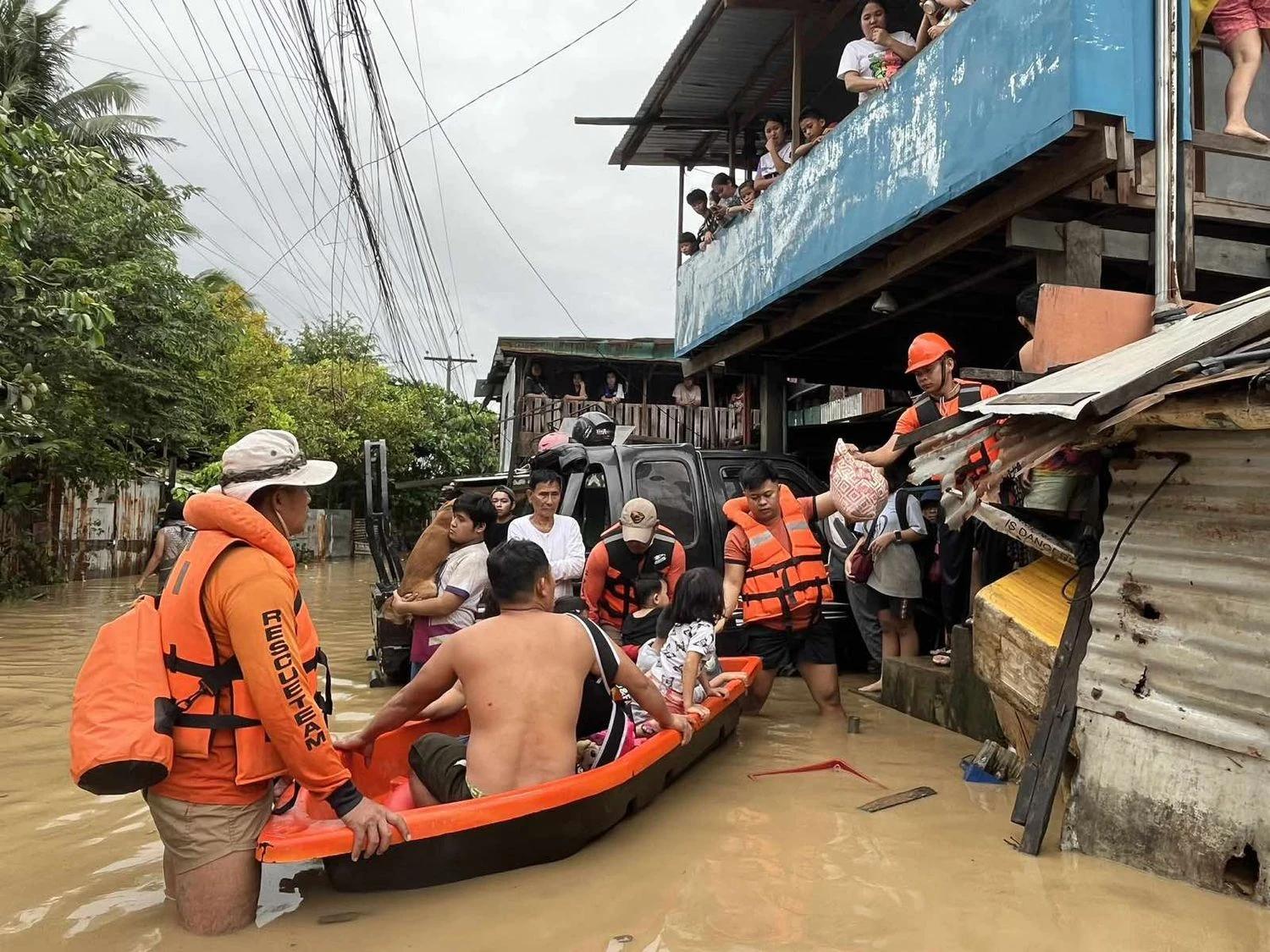
Typhoon Kalmaegi tore through the central Philippines, unleashing flash floods and landslides. Mainstream and Asian outlets agree the disaster has killed well over 100 people, displaced hundreds of thousands, and forced mass evacuations, particularly in Cebu province. Western mainstream sources report at least 114 dead nationwide, nearly 2 million affected, more than 560,000 displaced, and about 450,000 in emergency shelters.
“Typhoon Kalmaegi hit the central Philippines, affecting nearly two million people, displacing over 560,000, and forcing about 450,000 into emergency shelters.”
A Philippine Air Force helicopter crashed during aid delivery, killing six people. President Ferdinand Marcos Jr declared a national state of calamity and emergency. Several outlets describe Kalmaegi as the country’s deadliest disaster this year, emphasizing the scale of rescues from rooftops and submerged neighborhoods.

Cebu Floods and Disaster Impact
Cebu province has become the center of a severe disaster. Multiple Western mainstream and Asian sources report sudden flash floods and rescues from rooftops in the area. The deadly toll is mainly concentrated in Cebu.
Several outlets link the disaster's severity to clogged rivers, years of quarrying, and flawed flood-control projects associated with a corruption scandal. Other reports emphasize extreme rainfall totals and swollen rivers as key factors.

It is confirmed that six military personnel died in a helicopter crash during relief operations. This tragedy adds to the region's difficulties following a recent 6.9 magnitude earthquake.
Kalmaegi's Impact on Vietnam
Kalmaegi’s reach extended west as it moved into or toward Vietnam’s central coast. Authorities warned of worsening floods, landslides, dangerous seas, and high waves. Western Mainstream and Asian sources note landfall near Dak Lak and Gia Lai provinces.
“Typhoon Kalmaegi, after causing severe damage in the Philippines, made landfall on Vietnam's central coast near Dak Lak and Gia Lai provinces.”
Vietnam was already reeling from recent floods that killed at least 35 to 40 people, inundated about 100,000 homes, and triggered more than 150 landslides. Officials invoked past disasters like 2017’s Damrey to press vigilance. Some coverage forecast large waves and surges and stressed preparations in Ho Chi Minh City and other provinces.
Philippines Storm Evacuations
Across the Philippines, evacuations and transport shutdowns were vast but inconsistently tallied. Several outlets cite over 560,000 displaced and around 450,000 in shelters; others report more than 387,000 evacuations in Cebu alone. Aviation and maritime disruptions also vary widely, with reports ranging from 160+ to 300+ flight cancellations.
Warnings included three-meter storm surges and possible volcanic mudflows near Mount Kanlaon. Thousands were stranded in ports as ferries were halted. Officials warned residents about life-threatening surges and landslides.

Philippines 2025 Disaster Impact
Several outlets describe Kalmaegi as the Philippines’ deadliest disaster of 2025 and emphasize the government’s emergency measures to accelerate aid, prevent hoarding, and stabilize prices. Casualty reports vary widely across sources, ranging from 26 to 114 nationwide, with some sources reporting an even higher combined death toll.
“With winds up to 121 mph, Kalmaegi is the deadliest natural disaster in the Philippines this year.”
Most reports confirm six fatalities in a Philippine Air Force helicopter crash during relief efforts. There are widespread warnings of another powerful storm approaching, highlighting a year marked by relentless disasters following a deadly 6.9 magnitude earthquake in Cebu.
