Full Analysis Summary
STC seizes South Yemen
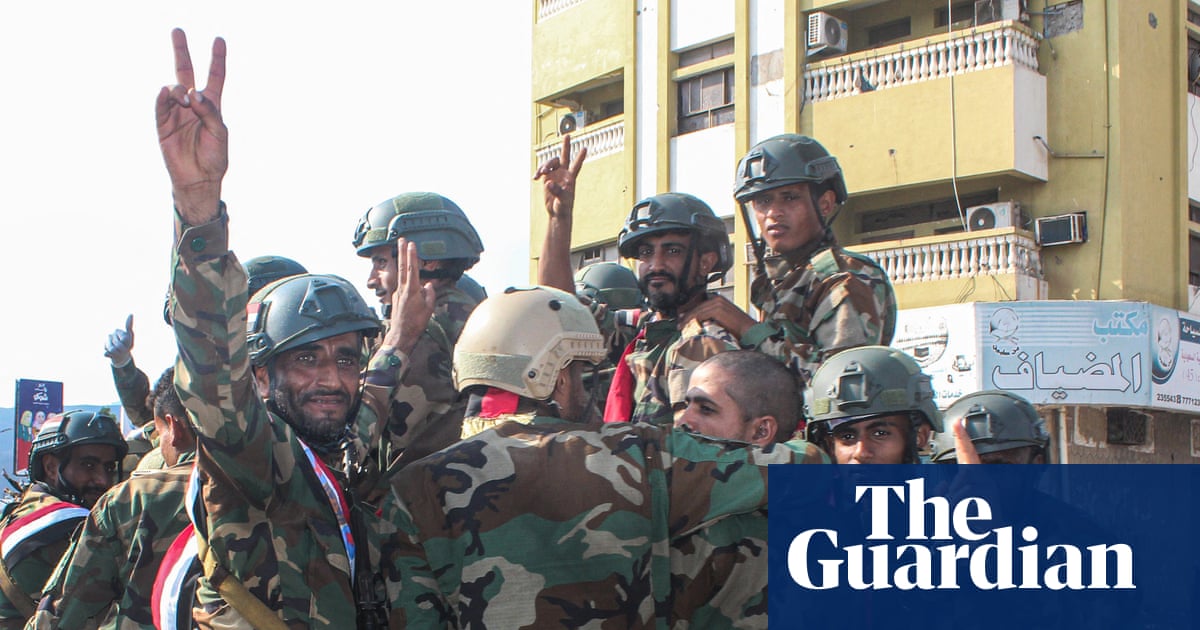
The UAE-backed Southern Transitional Council (STC) has seized control of all eight governorates of what was once South Yemen.
The STC pushed into Hadramaut and Al-Mahra and took strategic assets including the state oil firm PetroMasila.
The Guardian reports that as many as 10,000 STC troops pushed into Hadramaut and Marah.
The Guardian says the takeover marks the first time the South is under unified STC control and raises the prospect of a renewed push for independence or a future referendum, effectively reversing Yemen’s 1990 unification.
Semafor likewise describes the STC seizing full control of oil-rich Hadramout and Al-Mahra, giving it control of all eight governorates that once made up South Yemen and highlighting the territorial completeness of the STC advance.
Coverage Differences
Narrative emphasis
The Guardian (Western Mainstream) emphasizes troop numbers, the seizure of state assets like PetroMasila, and the constitutional-historical implication of potentially reversing Yemen’s 1990 unification. Semafor (Other) stresses the resource-rich nature of the areas seized (‘oil-rich Hadramout and Al-Mahra’) and frames the advance succinctly as control over the eight governorates. Both report the same territorial outcome but differ in emphasis: The Guardian provides more detail on forces and assets; Semafor highlights the economic value of the territory.
Regional political fallout
Oman briefly closed its border over the southern flag but later relented.
Saudi forces withdrew from key facilities in Aden.
Yemen’s Saudi-backed president Rashad al-Alimi reportedly fled to Riyadh.
The Guardian notes these developments and says al-Alimi has urged the STC to stand down while Western diplomats and the UN have so far made no public statements.
Western envoys have nevertheless been in contact with STC leader Aidarous al-Zubaidi.
Semafor highlights the broader regional dimension, saying the advance shows a deepening rift between Abu Dhabi and Riyadh.
The outlet indicates the takeover has immediate implications for Gulf state relations.
Coverage Differences
Tone and regional framing
The Guardian (Western Mainstream) frames the events through the immediate on-the-ground political consequences—border closures, withdrawals from Aden, and the president’s flight—also noting muted public responses from Western diplomats and the UN. Semafor (Other) places the event in a regional rivalry frame, stressing a long-running Abu Dhabi–Riyadh rift and suggesting the takeover is an expression of that rivalry. The Guardian emphasizes operational and diplomatic details; Semafor emphasizes geopolitical rivalry.
STC advance and implications
Analysts cited by The Guardian describe the STC’s advance as a major turning point that could upend regional alliances, heighten UAE–Saudi tensions, and complicate efforts to counter the Iran-backed Houthis, and say the STC may propose protectorate arrangements for non-Houthi areas such as Taiz and Marib.
Semafor notes a continuing split in Yemen, saying the capital Sanaa and much of the rest of the country remain under Houthi control, which underscores that STC gains do not change Houthi dominance across large areas and that any settlement must reckon with that reality.
Coverage Differences
Narrative completeness / omission
The Guardian (Western Mainstream) emphasizes the potential strategic consequences (regional alliances, UAE–Saudi tensions, countering Houthis) and specific political maneuvers (protectorate offers). Semafor (Other) stresses the continued territorial division by explicitly noting that Sanaa and much of Yemen remain under Houthi control, highlighting that the STC seizure, while significant, does not change Houthi dominance elsewhere. Together they show complementary but different emphases: Guardian on consequences and maneuvers, Semafor on territorial context.
Reporting and regional context
Key uncertainties remain: The Guardian reports speculation that the UAE may have tacitly approved the operation but does not confirm it, and notes Western diplomats and the UN have remained publicly silent even as envoys contacted STC leadership.
Semafor situates the event within broader Gulf competition, pointing to Abu Dhabi–Riyadh rivalry now extending into other theaters such as Sudan and into investment competition, which suggests the takeover might reflect wider strategic competition rather than a purely local rebellion.
Both sources therefore agree on the seismic local change but differ in emphasis and framing, and the limited set of available articles means other perspectives (such as official UAE, Saudi, Houthi, or Yemeni civilian accounts) are not present to resolve remaining ambiguities.
Coverage Differences
Attribution and confirmation vs. regional context
The Guardian (Western Mainstream) reports operational speculation and notes the lack of public statements from Western diplomats and the UN, effectively signalling uncertainty and the need for confirmation. Semafor (Other) emphasizes how the takeover reflects and intensifies a regional Abu Dhabi–Riyadh rivalry and connects it to other conflicts and economic competition. The Guardian focuses on immediate reporting and unanswered questions; Semafor foregrounds geopolitical patterns.