Iran29 May, 20263 min read
UAE Carried Out Dozens Of Airstrikes On Iran With US And Israel Support
This article is an automated aggregation of coverage from news outlets. Our editorials offer in-depth analysis curated by the NewsCord team.
The UAE launched dozens of airstrikes on Iran with US and Israel support. Attacks began in late February 2026 as part of the US-Israel campaign.
i24NEWS was read line by line by the Watchdog: 3.2. See the score →
UAE strikes inside Iran
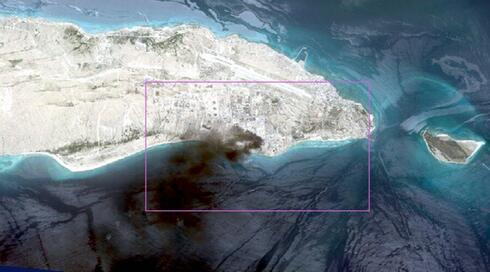
A report cited by The Wall Street Journal says the United Arab Emirates carried out dozens of air strikes against Iran during the Israeli-US war, with the UAE launching attacks from the opening days and continuing even after a ceasefire was announced in April. The Wall Street Journal report, as described by Middle East Eye, says targets included locations on Qeshm and Abu Musa Islands in the Strait of Hormuz, Bandar Abbas, the Lavan Island oil refinery, and the Asaluyeh petrochemical complex. Middle East Eye reports that Iran responded by targeting Gulf cities, airports and energy infrastructure with missiles and drones, and that the UAE absorbed the bulk of those attacks, with more than 2,800 missiles and drones directed at the country.
The same reporting also says Washington urged Israel to halt attacks on energy facilities after a strike on the Asaluyeh complex triggered international outcry, and it frames the UAE’s role as coordinated with Washington and Israel. In a separate account of the same Wall Street Journal reporting, ynetnews says the UAE struck dozens of targets inside Iran in coordination with the United States and Israel, beginning near the start of the war and continuing until the day after the ceasefire was announced.
Ceasefire, blockade, and demands
On Friday, President Donald Trump announced he was lifting the U.S. blockade on Iranian ports enacted last month, while The War Zone reported that the move came as media reports and administration messaging suggested Washington and Tehran were drawing closer to a deal.
Trump said on Truth Social, "Ships caught in the Strait due to our amazing and unprecedented Naval Blockade, which will now be lifted, may start the process of 'heading home!'" as he referred to the Strait of Hormuz.
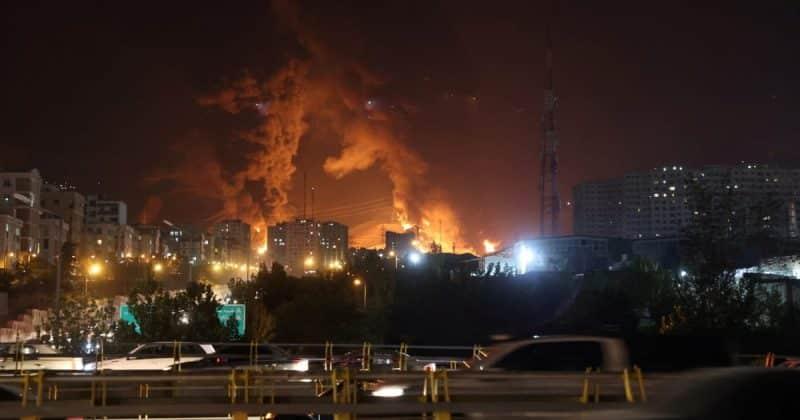
The War Zone reported that the strategic chokepoint has been largely closed to most traffic by Iran since not long after the launch of Epic Fury on Feb. 28, and it said Trump ordered the blockade on April 13 to create economic pressure on Iran.
Radio Free Europe/Radio Liberty reported that a White House Situation Room meeting on a possible agreement with Iran aimed to extend a cease-fire and advance negotiations over Tehran’s nuclear program, and it said a White House official confirmed the May 29 meeting had ended.
Before the meeting, Trump said on Truth Social that Iran must permanently forgo nuclear weapons and reopen the Strait of Hormuz without tolls, and he also said the US would lift its naval blockade of Iran under the agreement.
Gulf policy recalibration
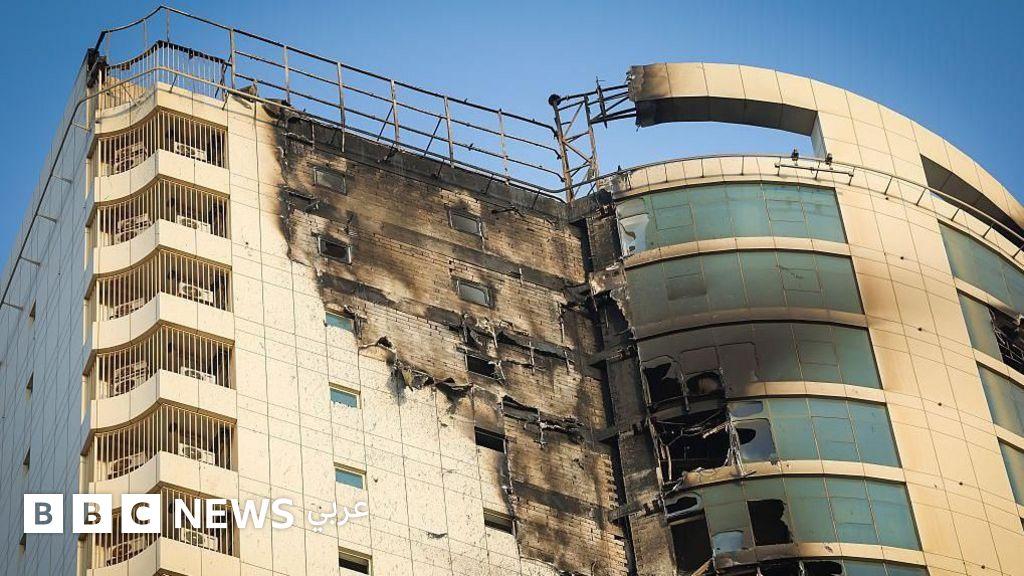
As the war reshaped Gulf state policy, BBC reported that Iranian missiles and drones—aimed at American military bases in the region, as well as civilian infrastructure and the region's energy sector—extended their reach and unsettled the Gulf Cooperation Council states’ image of stability. BBC quoted Alex Vatanka, a fellow at the Middle East Institute in Washington, saying, "Iranian attacks cannot be stopped due to geography and proximity" and adding that the states have become "front-line states in a war they were not party to." BBC also cited Ibtisam Al Ketbi, head of the Emirates Policy Center, saying the Gulf states are being pushed toward closer proximity to the United States "in a quiet and functional manner with Israel, due to security considerations at the present time."
The BBC account said Iran is pressuring Gulf states to declare neutrality, and it quoted Vatanka on the message from Tehran: "You must keep yourselves out of this conflict." In the same BBC piece, Vatanka warned that Iran can disrupt life in these states "literally, which could threaten their stability for generations," while he argued the long-term solution lies in the diplomatic track and reaching an understanding with neighbors.