UAE Evacuates Yemeni Separatist Leader Aidarous al-Zubaidi by Boat, Saudi Coalition Alleges

UAE Evacuates Yemeni Separatist Leader Aidarous al-Zubaidi by Boat, Saudi Coalition Alleges

09 January, 202616 sources compared
Yemen

Key Points from 16 News Sources

  1. 1

    Saudi-led coalition alleges UAE transported Aidarous al-Zubaidi by boat to Berbera, then to Abu Dhabi.

  2. 2

    Yemen’s Presidential Leadership Council expelled al-Zubaidi and charged him with treason.

  3. 3

    Accusations deepened a diplomatic rift and triggered Saudi-led military actions against STC-held areas.

Full Analysis Summary

Saudi-UAE rift

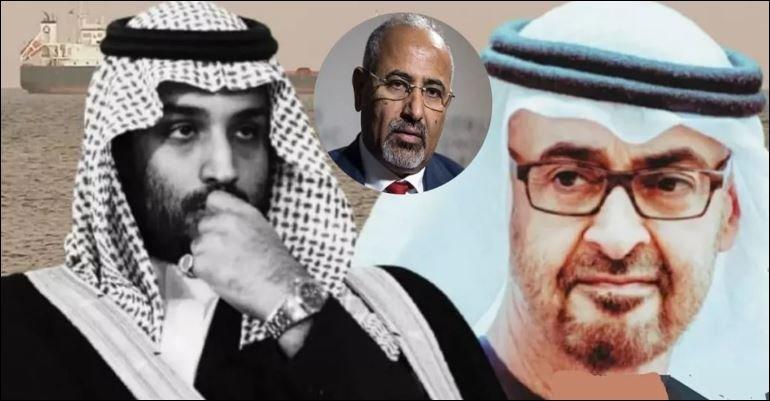
Saudi Arabia’s coalition has publicly accused the United Arab Emirates of covertly evacuating Aidarous al-Zubaidi, the leader of the UAE-backed Southern Transitional Council (STC), from Aden by boat and then by air to Abu Dhabi.

The coalition expelled and charged him with treason after he missed Saudi-hosted talks, framing the move as part of a growing rift between Riyadh and Abu Dhabi.

Riyadh’s statements and state media allege Emirati personnel were involved and have called for international action.

Officials say the incident underscores a breakdown in the once-cooperative anti-Houthi coalition.

Coverage Differences

Narrative emphasis

Western mainstream sources (The Guardian, AP, NBC) foreground Saudi accusations and specific claims about a maritime-to-air route and charges of treason, often highlighting named evidence and the diplomatic fallout. In contrast, regional outlets and reports (i24NEWS, Voice of Nigeria, Muslim Network TV) stress denials or uncertainty from the STC and the UAE and note on‑the‑ground effects in Aden, while Al Jazeera frames the incident as exposing an unprecedented rift with analysts weighing Saudi leverage. Each source reports others’ claims (e.g., "Riyadh says...", "The coalition alleges..."), so the coverage mixes direct Saudi statements with reported denials.

Tone

Some sources adopt a more accusatory or investigative tone, relaying Saudi state media’s campaign in detail (AP, Devdiscourse), while others report with caution and note denials or lack of comment from the UAE and STC (i24NEWS, Muslim Network TV).

Alleged escape route

Saudi statements and multiple reports give a consistent, detailed account of the alleged escape route.

They say Zubaidi left Aden by boat for the Emirati-owned port of Berbera in Somaliland.

He then boarded a plane that stopped in Mogadishu before landing at an Abu Dhabi military airport.

Reports say identification systems were disabled en route.

Saudi briefings pointed to an Ilyushin Il-76 cargo jet linked to prior flights into conflict zones and named a UAE officer in connection with the alleged operation.

Somalia has opened an inquiry after reports the flight used its airports.

Coverage Differences

Specificity vs. uncertainty

Outlets such as The Guardian and Al Jazeera report the detailed route (boat to Berbera, stop in Mogadishu, landing at Abu Dhabi’s military airport) and reference claims about disabled identification systems, while other outlets (Muslim Network TV, Voice of Nigeria) repeat the coalition’s version but pair it with STC denials; AP and NBC additionally mention the Ilyushin Il‑76 and named UAE officers, adding specificity that the STC and UAE have not confirmed. The varying degree of detail reflects reliance on Saudi statements and state media versus reporting of denials and investigations.

Reporting of investigations

Several sources note Somalia opened an inquiry into the alleged use of its airports (Voice of Nigeria, AP), while other outlets focus on the claimed route without emphasizing the Somali probe; this difference shows some outlets prioritize follow‑up diplomatic consequences.

Riyadh media pressure campaign

Riyadh's campaign included coordinated state media coverage and the public naming of individuals and assets.

Saudi outlets aired purported intercepted calls and ran WANTED front pages; Saudi spokespeople also identified a UAE major general and linked an Il-76 cargo plane to the operation.

Multiple Western mainstream outlets and regional feeds reported those moves as part of a deliberate effort to expose and pressure the UAE.

The UAE has not publicly answered those allegations.

Coverage Differences

Media framing and evidence

AP and Devdiscourse explicitly describe a coordinated Saudi state‑media campaign (Al Arabiya airing intercepted calls; Arab News running a WANTED front page), presenting those broadcasts as Saudi evidence. Western mainstream outlets (AP, NBC) emphasize the naming of UAE officers and aircraft, while some regional reports and syndications note the UAE’s silence or regret but also report UAE denials on arms—producing different emphases on proof vs. political messaging.

Denial vs. regret

Some outlets (Muslim Network TV, Bangladesh Post) record the UAE denying charges of arms in Yemen and expressing regret, while others (AP, The Guardian) highlight the UAE’s lack of immediate public comment on the smuggling allegation; this shifts responsibility around the extent of UAE response reported by each source.

Reactions to Zubaidi's departure

Reactions on the ground and from involved parties are mixed and sometimes contradictory.

The STC has at times denied that Zubaidi left Aden, saying he remained among anti-Houthi forces.

Other reports say he missed Riyadh talks, and some STC sources did not dispute that he escaped.

Somalia has opened an inquiry into reported use of its airports.

The Yemeni Presidential Leadership Council expelled and charged Zubaidi with treason.

The UAE has largely not publicly admitted involvement, deepening diplomatic strain as Saudi forces carried out strikes against separatist positions.
Coverage Differences

Direct contradiction

The STC’s statements are reported inconsistently: Muslim Network TV and Devdiscourse relay the STC denial that Zubaidi left Aden ("Zubaidi remained in Aden"), while The Guardian reports STC sources "did not dispute that he escaped." The discrepancy likely reflects changing STC messaging and differences in sourcing (direct STC statements vs. Saudi claims and state media).

Scope of official action reported

Multiple outlets (Voice of Nigeria, AP, Bangladesh Post) emphasize concrete official responses — Somalia’s probe, the Yemeni council’s expulsion and treason charge, and Saudi airstrikes — while some pieces prioritize the media narrative; together they show both legal/diplomatic steps and kinetic responses are part of the fallout.

Gulf rift and Yemen impact

Observers and analysts warn the episode has widened an already deep rift between Riyadh and Abu Dhabi, with implications for Yemen’s future, regional alignments and the broader war’s humanitarian toll.

Several outlets describe the dispute as the worst confrontation between the two Gulf powers in decades and allege it occurred alongside accusations of arms shipments and renewed Saudi strikes.

They also warn of further destabilization in a country with a protracted conflict that has killed over 150,000 people and created a severe humanitarian crisis.

The incident may reshape how the anti-Houthi coalition operates and complicate international diplomatic efforts.

Coverage Differences

Analytical framing

Al Jazeera and regional analysts frame the event as exposing an unprecedented rift with Saudi advantage in pressing the Yemen roadmap (Al Jazeera: "no sign of compromise" and Saudi having the "upper hand"), while Western mainstream sources (AP, NBC) emphasize the diplomatic and economic spillovers, calling it the "worst confrontation" and linking it to OPEC ties and broader security concerns. Other outlets (i24NEWS, Bangladesh Post) underscore immediate humanitarian and security consequences on the ground. These different framings affect whether coverage highlights geopolitics, evidence, or humanitarian risk.

Humanitarian emphasis vs. geopolitical emphasis

Some sources (i24NEWS, Bangladesh Post) foreground the humanitarian toll and destabilization in Yemen, while others focus on the geopolitical fallout between Gulf powers; both themes appear across outlets but in differing prominence.

All 16 Sources Compared

abcnews.go

Saudi Arabia alleges UAE smuggled wanted Yemen separatist leader out of the country

Read Original

Al Jazeera

Saudi-led coalition says STC’s al-Zubaidi fled to UAE via Somaliland

Read Original

AP News

Saudi Arabia alleges UAE smuggled wanted Yemen separatist leader out of the country

Read Original

Bangladesh Post

KSA alleges UAE smuggled wanted Yemen separatist leader out of the country

Read Original

Devdiscourse

Saudi Arabia alleges UAE smuggled wanted Yemen separatist leader out of country

Read Original

DW

Saudi Arabia says UAE smuggled out Yemen separatist leader

Read Original

i24NEWS

Saudi Arabia Accuses UAE Of Aiding Escape Of Yemeni Separatist Leader

Read Original

Muslim Network TV

Saudi-led coalition accuses UAE of aiding Yemen separatist leader’s escape

Read Original

NBC News

Saudi Arabia alleges UAE smuggled wanted Yemen separatist leader out of the country

Read Original

prismedia.ai

Saudi Accuses UAE of Smuggling Yemeni Separatist Leader to Abu Dhabi

Read Original

The Guardian

Saudi Arabia says UAE helped Yemeni separatist leader flee as crisis deepens

Read Original

The Straits Times

Yemen’s main separatist group denies it is disbanding.

Read Original

The Vibes

Saudi Arabia accuses UAE of aiding escape of Yemeni separatist leader amid regional tensions

Read Original

theweek.in

Saudi vs UAE: How UAE enabled the daring escape of Yemeni separatist leader Al-Zubaidi

Read Original

VOCO News

Saudi-led coalition forces attack Yemen, Aden, and control the UAE, assisting STC leader in his escape.

Read Original

Voice of Nigeria

Saudi Coalition Accuses UAE of Aiding Separatist Leader Flee Yemen

Read Original