Full Analysis Summary
Mid-Shaban Celebrations in UAE
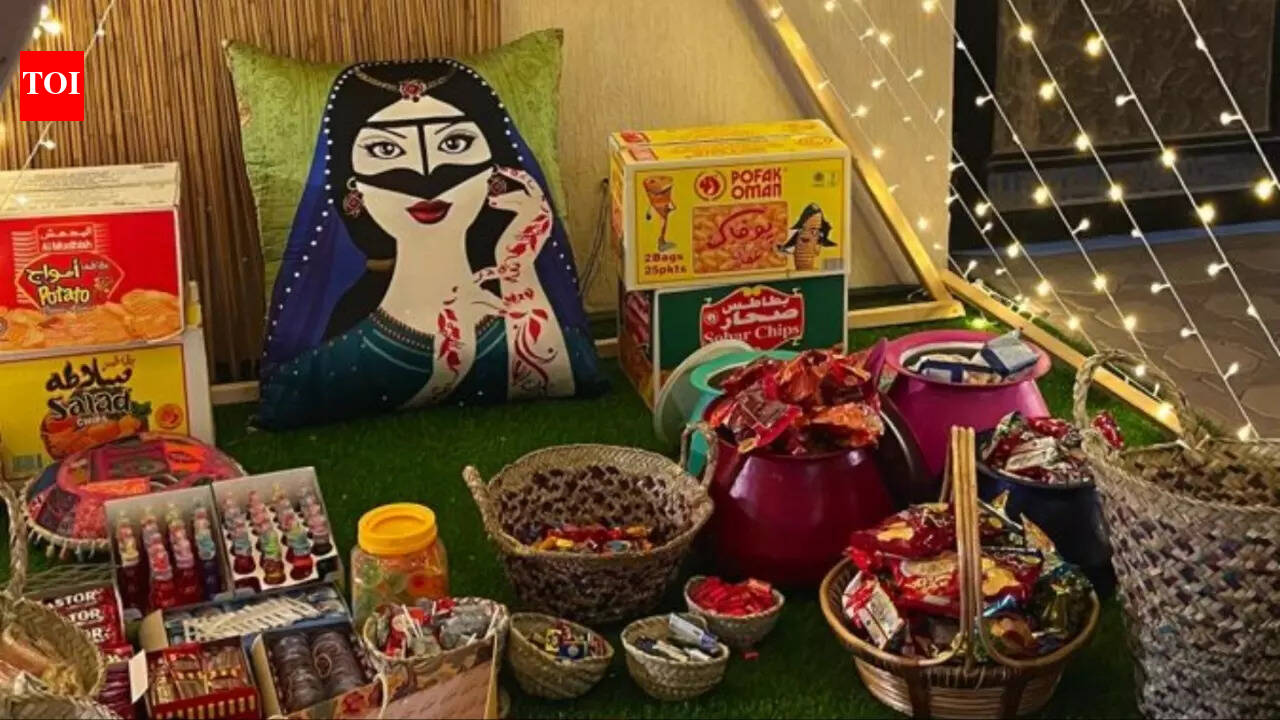
The UAE’s Fatwa Council reportedly permitted traditional Haq Al Laila (also written Hag Al Leila) celebrations during mid‑Shaban.
Dubai’s public agencies visibly supported community events tied to that ruling.
According to The Times of India, Dubai Police posted that they joined Global Village’s Season of Wulfa celebrations on Feb 2, 2026 to share the spirit of Haq Al Laila with children and families.
The post linked official participation to the licensed cultural observance and highlighted community engagement at the family‑focused event in Dubai.
The reporting frames the Fatwa Council’s allowance as enabling culturally rooted public celebrations under UAE governance rather than as a private or contested practice.
Coverage Differences
Missed information / Single‑source coverage
Only The Times of India snippet is available for this topic in the provided material. Because there are no additional sources across different 'source_type' categories (for example West Asian, Western Mainstream, Western Alternative), I cannot identify or compare differing narratives, tones, or emphases between outlets. The description above therefore reflects The Times of India’s reporting and the social‑media post it cites; it does not represent corroboration or alternative perspectives that other outlets might provide.
Haq Al Laila in Dubai
Reporting emphasizes the communal and family-oriented nature of Haq Al Laila as practiced in Dubai following the fatwa council’s allowance.
The Times of India describes the Dubai Police engagement as taking place within Global Village’s Season of Wulfa, a public, family-focused setting, and links a police social-media post to sharing the festival’s spirit with children and families.
By situating the celebration in a managed public-event context, the coverage suggests the religious permission has translated into organized cultural programming rather than informal or private observance.
Coverage Differences
Missed information / No cross‑type perspectives
Because only a single source is provided, I cannot compare how other outlet types (for example, local West Asian outlets, Western mainstream newspapers, or Western alternative media) frame the fatwa council’s decision — whether as a religious ruling, a cultural accommodation, or a subject of debate. The paragraph therefore reflects the specific emphasis in The Times of India on family and community engagement.
Official support for cultural festival
The visible participation of Dubai Police as reported underscores how state institutions in the UAE may play a role in endorsing and facilitating religiously permitted cultural activities.
The Times of India specifically records that Dubai Police posted about joining the Global Village Season of Wulfa celebrations on Feb 2, 2026, a message framed around sharing the festival's spirit with children and families.
That institutional visibility, reported on social media, signals an official, community-oriented approach to implementing the fatwa council's permission in public programming.
Coverage Differences
Missed information / Single source limits nuance
With only The Times of India material available, it is not possible to assess how other observers — religious scholars, critics, or alternative media — interpret the fatwa council’s decision or Dubai Police’s role. There may be divergent takes on whether such permissions are purely cultural accommodations or involve broader legal‑religious interpretations, but those perspectives are not present in the supplied source.
Coverage gaps and questions
Limitations and outstanding questions remain because the supplied coverage is brief and single-sourced.
The Times of India snippet notes the fatwa council’s permission and Dubai Police’s participation but does not include the fatwa’s text or the council’s legal reasoning.
It also omits any responses from religious scholars, community leaders, or critics.
Therefore, while the report documents official and communal celebration, it leaves open the scope of the fatwa, details on permissible practices, and whether there was debate about the decision.
These gaps require additional sources to fill.
Coverage Differences
Missed information / Need for further sourcing
Because the only available source is The Times of India excerpt, I cannot draw contrasts with other outlets or provide diverse perspectives. The paragraph underlines missing information (fatwa text, reasoning, reactions) that other source types might supply if they were available.