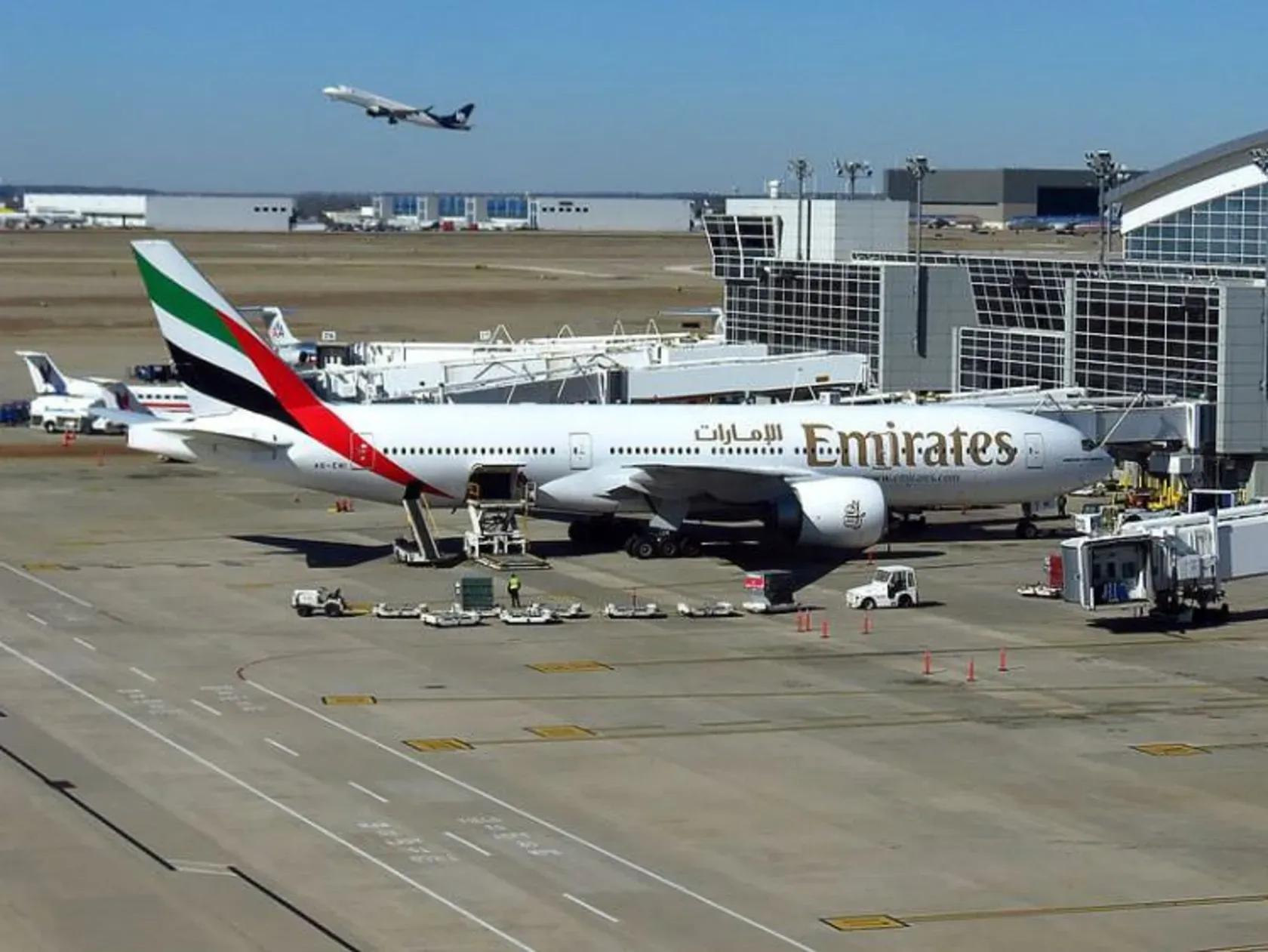
UAE Secretly Carried Out Strikes on Iran, Hitting Lavan Island Oil Refinery
Key Takeaways
- Wall Street Journal: UAE secretly attacked Iran, including Lavan Island refinery, in April.
- The UAE has not publicly acknowledged the covert strikes.
- Reports tie the covert action to broader Gulf conflict amid US-Israeli operations against Iran.
Lavan Island refinery strike
A Wall Street Journal report says the United Arab Emirates carried out secret strikes on Iran during the war, including an attack on an oil refinery on Iran’s Lavan Island in early April that triggered a major fire and temporarily shut part of its output.
The reported Lavan Island strike took place around the time US President Donald Trump announced a ceasefire after a five-week bombing campaign, and Iran said its refinery had been hit by an enemy attack and responded with missile and drone strikes targeting the UAE and Kuwait.

In the same reporting, analysts cited in the WSJ account say the strikes reflect a shift in UAE policy toward more direct military aggression, particularly after Iran reportedly launched thousands of retaliatory missiles and drones toward Emirati territory during the war on US assets.
The WSJ account also says Gulf officials cited in the report linked the attacks to economic consequences in the UAE, including disruptions to tourism, aviation, and property markets, while noting that Abu Dhabi has not publicly acknowledged the operation.
Retaliation and competing claims
Iran’s response in the WSJ reporting included missile and drone strikes against the UAE and Kuwait, and the Anadolu Ajansı account says one of the sources told the Journal that the US quietly welcomed the Emirates' entry into the war.
The Al Jazeera report on the ceasefire under strain describes drone attacks in the Gulf after the truce took effect on April 8, including Qatar saying a drone struck a cargo ship in Qatari waters and Kuwait and the UAE saying they repelled drone attacks.

In the same Al Jazeera account, the UAE Defence Ministry said two Iranian drones were intercepted, stating, "UAE air defence systems successfully engaged two UAVs launched from Iran," while Kuwait’s Defence Ministry said a "number of hostile drones" were detected in the country’s airspace at dawn.
The Al Jazeera reporting also quotes Iran’s parliament’s foreign policy and security committee spokesperson Ebrahim Rezaei writing on X that "Any aggression against our vessels will be met with a heavy and decisive Iranian response against American vessels and bases," as the ceasefire is tested by ongoing incidents.
Regional stakes and next moves
The Gulf Cooperation Council condemned Iranian attacks that targeted the UAE and Kuwait, with Jassim al-Budaiwi saying in a statement that "the treacherous Iranian approach systematically seeks to destabilize the region's stability and security" and stressing GCC support for the UAE and Kuwait in "all measures they take to safeguard their security and stability."
In the same GCC-linked reporting, the UAE’s Ministry of Defense said its air defenses engaged two Iranian drones and disclosed that since the outbreak of the war on February 28, UAE air defenses have dealt with 551 ballistic missiles and 29 cruise missiles.
Al Jazeera also frames the diplomatic track around President Donald Trump’s threats to resume bombardment if Iran does not accept a deal that includes reopening the Strait of Hormuz and rolling back its nuclear programme, while Iran is still mulling its response to a 14-point proposal by Washington.
As the ceasefire remains in effect but is strained, Al Jazeera reports that Qatar’s Prime Minister Sheikh Mohammed bin Abdulrahman bin Jassim Al Thani pushed for all parties to respond to mediation efforts and reach an agreement for lasting peace, and that Sheikh Mohammed held a phone call with Iran’s Foreign Minister Abbas Araghchi.
More on Iran

Trump Warns Ceasefire Is On Life Support As U.S. Plans Escalation In Iran War
32 sources compared
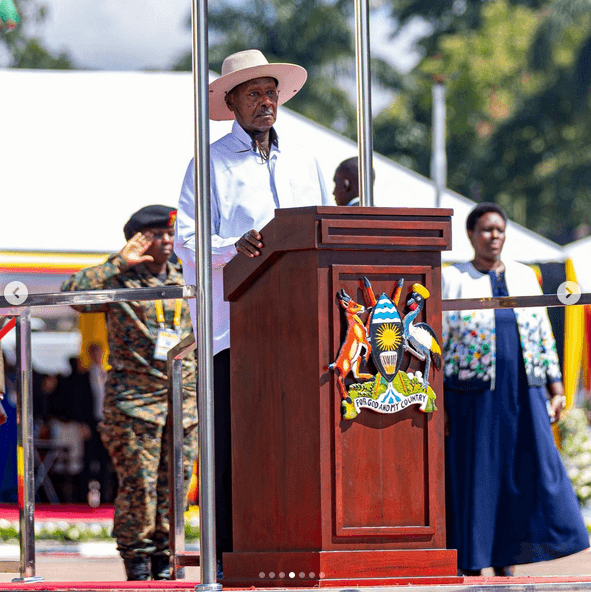
Yoweri Museveni Sworn In For Another Five-Year Term In Kampala
16 sources compared
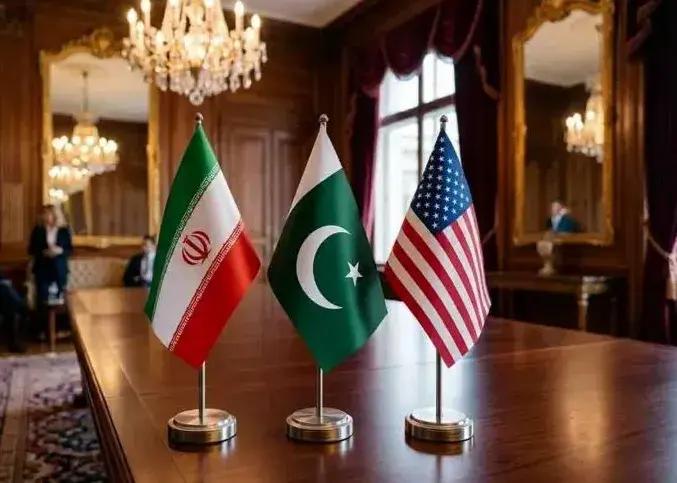
Pakistan Rejects CBS News Claim of Iranian Military Aircraft at Nur Khan Airbase
18 sources compared

Calbee Switches 14 Products To Black-And-White Packaging As Iran War Disrupts Ink Supplies
11 sources compared