
Full story
Freeways Return in Phoenix
Waymo is resuming freeway operations after pausing highway service in May, and the company said its robotaxis are making their way back to multi-lane roads in Phoenix starting July 29, 2026.
“Starting today, the company's robotaxis are making their way back to multi-lane roads in Phoenix.”
Engadget reported that Waymo will "soon" resume freeway operations in Miami, Los Angeles and the San Francisco Bay Area as well, after the company paused highway operations because several robotaxis drove into sections closed for construction.
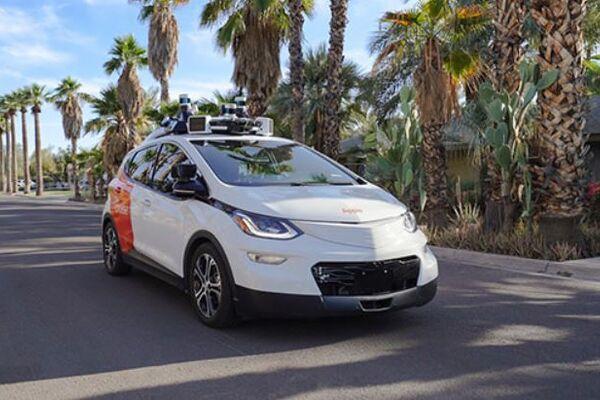
Waymo previously opened up a freeway travel option to the public in November, but it put that on hold in May after reporting incidents of robotaxis driving on expressways that were closed for construction.
In a separate account, azcentral and The Arizona Republic said Waymo merges back onto Phoenix freeways after a software fix, with the company halting freeway service in May to update software after issues in construction zones.
Waymo’s freeway restart is described as gradual, with the freeway service restarting first in Phoenix before San Francisco, Los Angeles, Austin, and Miami will follow, according to azcentral and The Arizona Republic.
Software Updates and Safety
Waymo said it was welcoming riders on freeways again after implementing software updates to improve performance around highway construction zones, and spokesperson Sandy Karp wrote, "We are welcoming riders on freeways again after implementing software updates to improve our performance around highway construction zones."
TechCrunch reported that Waymo announced on X that it would gradually add freeway routes, starting with Phoenix, and a Waymo spokesperson told the outlet that more cities including Los Angeles and the San Francisco Bay Area would follow in the coming days.

In an emailed statement, TechCrunch said Waymo was "resuming freeway operations across its entire service area, including areas with construction, after implementing software updates designed to improve performance around freeway construction zones."
The azcentral and The Arizona Republic account said Waymo pulled its vehicles from freeways in May after a handful of cars failed to identify highway construction zones or pulled into active construction areas to avoid other road hazards.
TechCrunch added that Waymo voluntarily recalled its fleet of nearly 4,000 robotaxis after identifying at least 13 instances of robotaxis driving into highway sections closed for construction, and it said a Waymo spokesperson stated there were no injuries or collisions reported in connection with these events.
Broader Rollout and Scrutiny
Waymo’s freeway expansion is tied to a broader rollout across multiple markets, with Engadget saying the company will "soon" resume freeway operations in Miami, Los Angeles and the San Francisco Bay Area, and azcentral and The Arizona Republic listing San Francisco, Los Angeles, Austin, and Miami as follow-on cities.
“The Alphabet-owned company will "soon" resume freeway operations in Miami, Los Angeles and the San Francisco Bay Area as well”
Engadget said riders who want freeway access can join an "interest list" in the Waymo app and receive a notification when they’re approved for freeway rides, while also noting that even with access Waymo may reroute vehicles for reasons known ahead of time such as heavy traffic.
TechCrunch said the freeway pause and restart come amid increased scrutiny into Waymo and other robotaxi operators, particularly over how self-driving vehicles behave in certain high-traffic situations and around emergency responders.
TechCrunch also reported that Rep. Kevin Mullin (D-Calif.) proposed a bill that would direct federal regulators to establish minimum national safety standards for autonomous vehicle operators after incidents including autonomous vehicles blocked ambulances and fire trucks and failed to recognize safety signals such as traffic cones and flares.
The azcentral and The Arizona Republic account said a recent report by the Insurance Institute for Highway Safety found that the crash rate for Waymos in Phoenix was 76% lower than for human drivers, while noting the paper’s authors acknowledged it can be difficult to accurately chart differences due to variability in reporting requirements and standards.