Technology and Science · 29 June, 2026 · 3 min read
South Korea Unveils 800 Trillion Won AI Chip Strategy Led by Samsung and SK Hynix
800 trillion won to boost chips, AI centers, robotics led by Samsung and SK Hynix. Four memory chip fabrication plants planned in southwest Korea, Gwangju-Jeolla.
Total investment figure varies across reports.
7 of 9 outlets skipped it: government will move fab completion from 2040s to 2030s..
10outlets compared
Same story, two versions
tap a side to read it in full
Differences signal whether totals include packaging, pacing, or separate company commitments.
A $576B AI push
South Korea unveiled a strategy worth approximately 800 trillion won ($576 billion) to reinforce its leadership in AI chips, advanced memory, and semiconductor manufacturing, with President Lee Jae Myung presenting it as part of three national “mega-projects.” The plan is expected to be led by Samsung Electronics and SK Hynix, which the TelecomLead article says dominate the global memory chip market, and it centers on an 800 trillion won ($518 billion) investment by Samsung Electronics and SK Hynix to establish a new semiconductor manufacturing ecosystem in South Korea’s southwest. TTelecomLead says Samsung is expected to invest 400 trillion won in new semiconductor fabrication facilities in Gwangju and another 56 trillion won in HBM manufacturing plants in Cheonan and Onyang, while SK Group outlined semiconductor and AI infrastructure projects worth about 2,100 trillion won.T
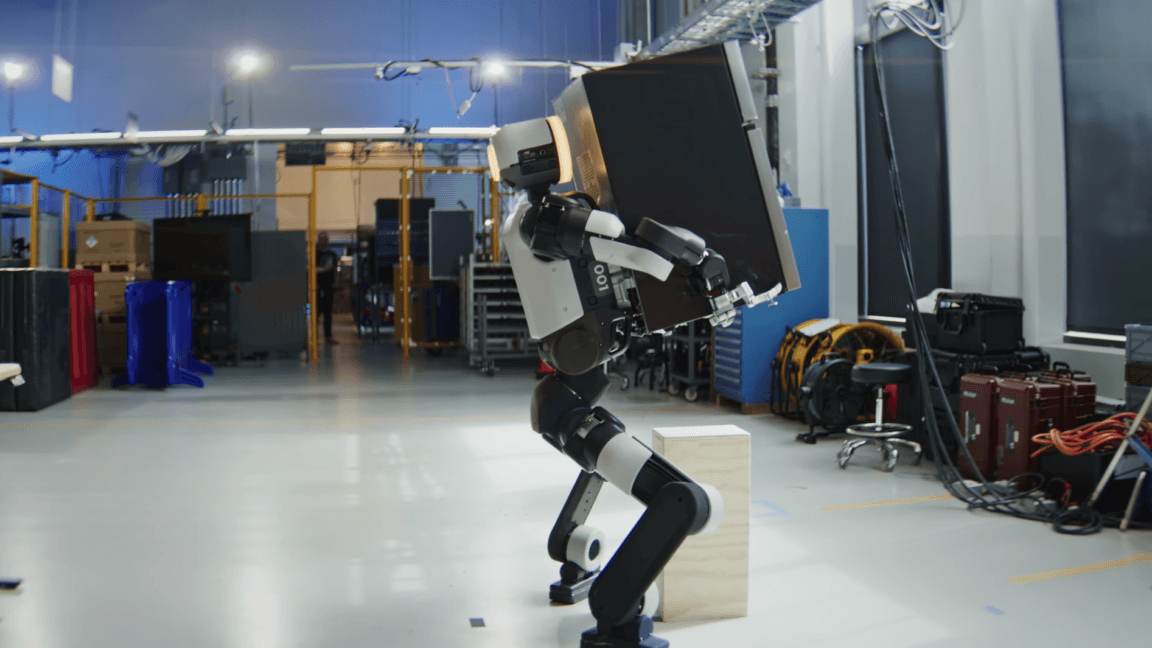
The initiative also targets AI data centers, with companies including SK Group, GS Group, and Naver initially investing 550 trillion won to build AI data centres delivering 8.4 GW of computing capacity by 2028. TelecomLead adds that the government aims to commercialize humanoid robots across 10 major industries by 2028 while training 10,000 AI robotics experts over the next five years.T
Who said what
In a televised address, President Lee Jae Myung framed the effort as urgency for AI infrastructure, saying, “We must secure the core elements of AI faster than any other country,” as eciks.org reports. eciks.org also quotes Lee pointing to constraints on existing production hubs, saying, “Existing sites centered around Yongin and Pyeongtaek have already reached their limits,” to justify new manufacturing capacity in the southwest. Yonhap News Agency reports that Industry Minister Kim Jung-kwan said, “Relying on a single production base in the Seoul metropolitan area is no longer sufficient to meet surging semiconductor demand,” while noting that constraints on power and water resources limit further expansion under existing plans.
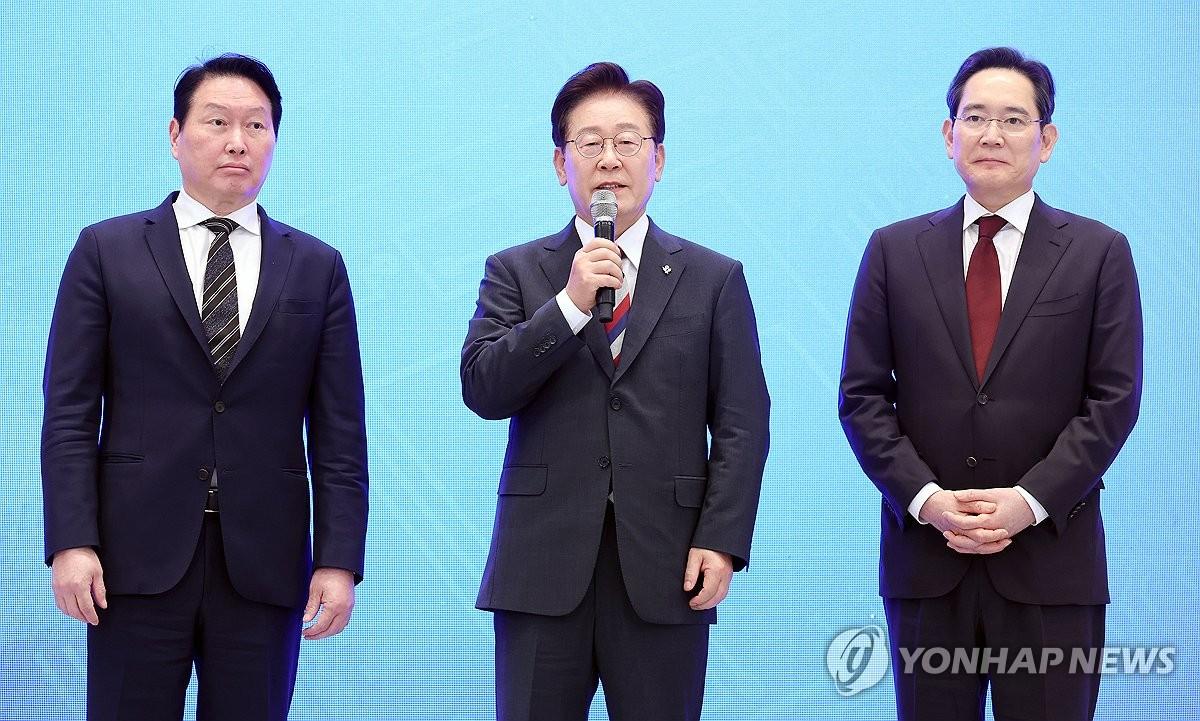
Yonhap News Agency says the meeting was chaired by President Lee Jae Myung at Cheong Wa Dae and attended by Samsung Electronics Chairman Lee Jae-yong and SK Group Chairman Chey Tae-won. Harici reports that Kim warned that China has already begun mass-producing humanoid robots through regional manufacturing hubs, adding that South Korea must accelerate commercialization and mass production of its own humanoid robots.
Capacity, robots, and risk
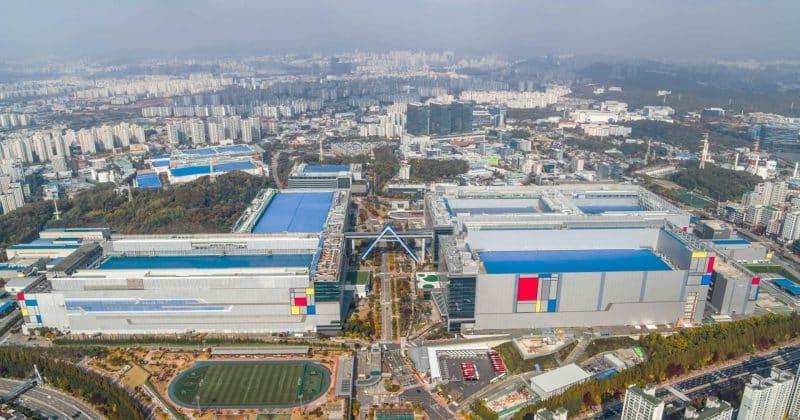
The government’s semiconductor push is designed to create four memory chip fabrication plants in the Gwangju and Jeolla regions, with Yonhap News Agency saying the plan will invest 800 trillion won (US$517.9 billion) in corporate investments to build the new semiconductor production base. Yonhap News Agency says the Chungcheong region will be developed into an advanced semiconductor packaging hub through 81 trillion won in investment, while the Daegu and North Gyeongsang regions will be fostered as innovation hubs for semiconductor materials, components and equipment. Ars Technica reports that South Korea’s government and top tech companies are committing $1 trillion to megaprojects that could bolster global memory chip supply, build new AI data centers, and spur commercial deployment of humanoid robots by 2028.
Ars Technica also says the government’s goal is to double South Korea’s production of dynamic random-access memory (DRAM) within five years, tying the chip expansion to AI-driven demand. In parallel, Ars Technica notes that Hyundai Motor Company is racing to mass manufacture humanoid robots developed by its subsidiary, Boston Dynamics, so that robotic workers can start taking over certain laborious tasks in automotive factories and other workplaces.