Full story
Sixth Province, New Death
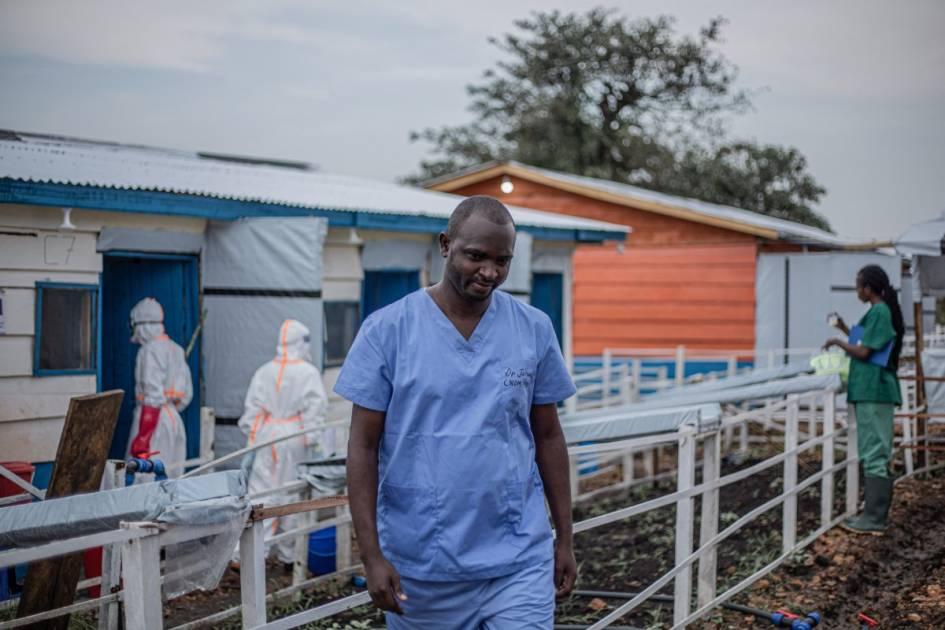
The Democratic Republic of the Congo’s Ebola outbreak spread to a sixth province after a death was recorded in Bas-Uele, with Africa CDC Director-General Jean Kaseya saying the man died in Buta after traveling from Isiro in Haut-Uele.
“The death brings the total to six provinces affected”
Anadolu Ajansı reported that the death brings the total to six provinces affected and that the case involved a patient who died in Bas-Uele’s capital, Buta, after developing haemorrhagic symptoms consistent with Ebola.

The outbreak has now reached 4,449 confirmed cases and 2,061 deaths since it was declared in May, according to Anadolu Ajansı’s situation update report.
The BBC said the WHO director-general Tedros Adhanom Ghebreyesus warned the current outbreak is on track to exceed the death toll recorded in the worst outbreak on record, with the 2014–2016 West Africa outbreak cited as having killed at least 11,000 people.
The BBC also said the outbreak was not officially announced until May 15, but health officials said it is likely to have begun at least three months earlier.
Voices, Warnings, and Strikes
Kaseya framed the Bas-Uele case as evidence of continued spread, saying, "We have a sixth province that has been affected, and that is Bas Uele and the capital of Bas Uele."
The BBC quoted Africa director at WHO, Dr. Matshidiso Moeti, saying, "We are chasing the virus, but the virus is ahead of us," while describing efforts to halt transmission within three months.

Sky News said the outbreak is considered the fastest-growing yet and is on track to surpass the deadliest in history, and it reported that there are currently no approved vaccines or treatments for the rare Bundibugyo virus responsible for the outbreak.
Sky News also tied the response to operational strain, saying the tackling of the outbreak has been hindered by disinformation that Ebola isn't real and strikes by some unpaid health workers.
The Guardian added that health workers at the Nizi treatment centre in Ituri province went on strike on Thursday, leading to the temporary closure of the centre after they said they had not been paid for three months.
What’s at Risk Next
With the outbreak now affecting six provinces, the Guardian said the current outbreak has killed more than 2,100 people out of more than 4,500 cases, and it reported that there are no approved vaccines or treatments for the rare Bundibugyo strain.
“There are no approved vaccines or treatments for the rare Bundibugyo strain”
The Guardian also said the outbreak is unfolding amid strikes by some unpaid health workers, threats by rebel groups, anger from long-traumatized communities, and misinformation claiming that Ebola is not real.
DW reported that the DRC declared on May 15 its 17th Ebola outbreak and said it is already considered the most significant in its history, while noting that so far five Congolese provinces had been affected before Bas-Uele.
The BBC said health workers can access only about 30 percent of cases, and it described how symptoms can appear between two and 21 days after infection.
Looking ahead, the BBC said the Medicines and Healthcare products Regulatory Agency permitted early human trials of a vaccine targeting the Bundibugyo strain, and it added that WHO is also funding a separate clinical trial in the Democratic Republic of the Congo to determine whether two antiviral drugs already in use can improve survival rates among infected people.