Full Analysis Summary
Disability needs in Kiryandongo
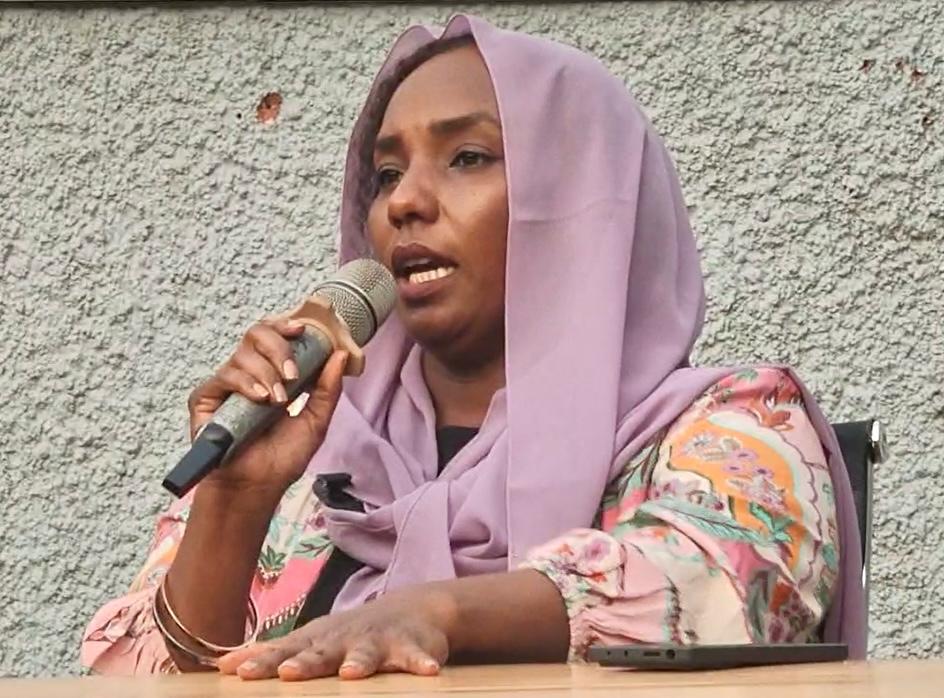
Mona Abu Al-Qasim, director of the Ayadi Organization for the Rights of Persons with Disabilities, warned of severe humanitarian needs among more than 400 Sudanese refugees with disabilities at Uganda's Kiryandongo camp.
Refugees with disabilities are concentrated mainly in residential zones A, B and C, and roughly half have mobility impairments.
In a paper delivered during the organisation's International Day of Persons with Disabilities event in Kampala, she linked many disabilities to war injuries, lack of healthcare during displacement, and untreated chronic illnesses.
Updated May 2025 figures show persons with disabilities present in 60% of Kiryandongo's residential zones, with numbers rising due to new displacement from fighting in Darfur and Kordofan.
Coverage Differences
Tone/Narrative consistency
Both sources (Radio Dabanga and Dabanga Radio TV Online, both 'Other' types) present essentially the same account of Abu Al-Qasim’s warning, using near-identical figures and phrasing. Neither source attributes the conditions explicitly to deliberate policy by Ugandan authorities; both report Abu Al-Qasim’s descriptions and figures as the primary source.
Sudan humanitarian crisis
Abu Al-Qasim placed the Kiryandongo situation within the broader Sudan crisis and noted updated national figures: over 30 million people need humanitarian aid, roughly 15% (about 4.6 million) are persons with disabilities, and 3.1 million require urgent assistance.
She described a dramatic rise in injuries causing permanent disabilities since the war began, reporting approximately a 300% increase with about 15,000 amputations, 40,000 spinal injuries, 8,000 cases of sight loss and 12,000 cases of total hearing loss.
Coverage Differences
Detail alignment
Both Radio Dabanga and Dabanga Radio TV Online include the same national statistics and injury breakdowns and attribute these figures to Abu Al-Qasim’s paper; neither source offers alternative statistics or independent verification. The two sources thus align in narrative and detail level.
Mental-health impact of conflict
The Ayadi director warned of worsening mental-health consequences tied to the conflict.
She reported roughly 4 million people with severe mental disorders and about 60,000 children exhibiting PTSD symptoms.
She said many disabilities stem from combat-related injuries and deteriorated healthcare access during displacement.
Both sources report these figures as part of Abu Al-Qasim's paper presented at the Kampala event.
The excerpts provided did not include further verification or comment from the Ugandan government.
Coverage Differences
Source scope/Attribution
Both sources report Abu Al-Qasim’s mental-health figures and attribute them to her paper; neither source provides independent confirmation or statements from Ugandan authorities or other agencies. The two sources again mirror each other’s coverage and wording.
Reporting gaps on refugees
The user's headline frames the story as 'Uganda Neglects 400 Sudanese Refugees With Disabilities', while the two available reports (Radio Dabanga and Dabanga Radio TV Online) reproduce Ayadi's warnings and statistics but do not themselves explicitly state the Ugandan government is deliberately neglecting the refugees in the provided snippets.
The sources consistently attribute figures and claims to Abu Al-Qasim's paper and to a Kampala event.
They report rising needs and call attention to a humanitarian emergency.
The excerpts do not include quoted responses from Ugandan authorities or international agencies, creating an evidentiary gap about official responses.
Coverage Differences
Narrative framing / Attribution
Both sources report Abu Al-Qasim’s warnings without adding explicit allegations against Uganda in the text provided. The main difference is one of emphasis: the user’s headline asserts neglect, while Radio Dabanga and Dabanga Radio TV Online stick to reporting Abu Al-Qasim’s claims and figures. Both sources therefore leave unanswered whether the conditions are due to policy neglect, resource constraints, or other factors.