Europe22 April, 20268 min read
UK and France Agree Three-Year Deal to Curb English Channel Migrant Crossings
This article is an automated aggregation of coverage from news outlets. Our editorials offer in-depth analysis curated by the NewsCord team.
UK and France sign a three-year agreement to curb migrant crossings. France will boost coastal policing more than 50% to 1,400 officers by 2029.
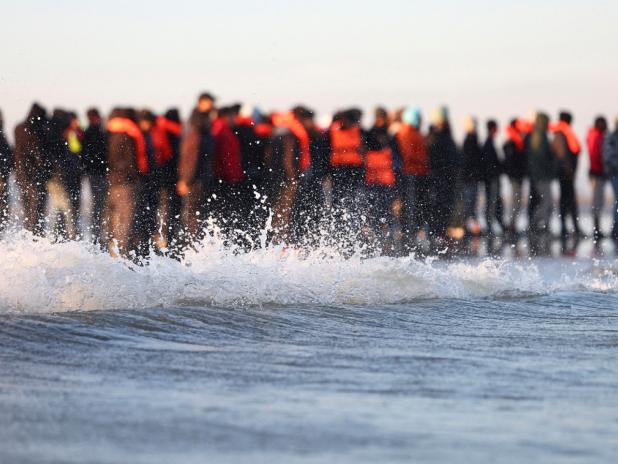
Deal Tied to Results
Britain and France agreed a new three-year deal to curb undocumented migrant crossings across the English Channel, with funding structured around performance and enforcement capacity on France’s northern coast. Multiple reports describe the agreement as a renewal of the Sandhurst Treaty, first signed in 2018, extended in 2023, and set to expire this year, with France and the UK wrangling for months over conditions tied to how British taxpayers’ money is used. The New Arab, citing a French interior ministry roadmap seen by AFP, said France pledged to increase law enforcement on the coast by more than half to reach 1,400 officers by 2029, while Britain would provide up to 766 million euros ($897 million) with nearly a quarter paid only if the French measures work.
RFI similarly reported that the UK would contribute up to €766 million, “some of it to paid only if the French measures are deemed successful,” and quoted the roadmap saying, “If the new measures do not deliver ‘sufficient results, based on a joint annual assessment, the funding will be redirected to new actions’.” DW described the same structure, saying almost a quarter of the money would be paid only if the measures prove effective, and that the agreement renews the Sandhurst Treaty as London presses Paris to do more to stop dangerous crossings.
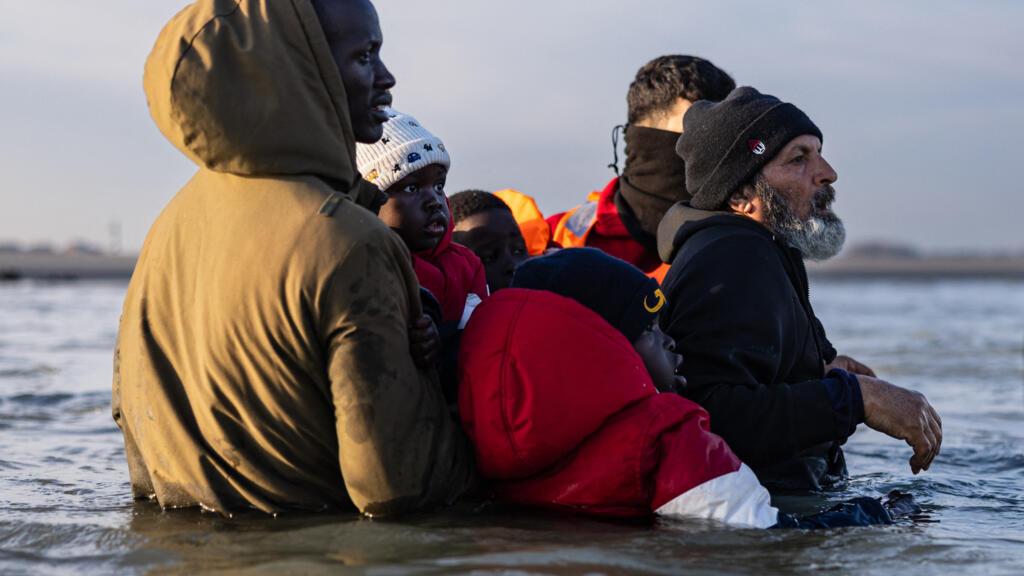
BBC News put the headline figure at a new £662m deal, saying for the first time ministers said around £100m of UK funding could be redirected or withdrawn after a year if not enough journeys are stopped, while also noting the UK government had not confirmed what targets the French would have to meet. In parallel, the Guardian reported a three-year deal to be signed on Thursday by Home Secretary Shabana Mahmood, describing a baseline package of about £500m to boost enforcement action on beaches in northern France and an additional £160m “to trial new approaches,” with a payment-by-results approach for the later tranche.
What the Money Funds
Across the reports, the deal’s operational components combine riot-trained policing, expanded maritime enforcement, and surveillance technology aimed at intercepting people smugglers and illegal migrants before they board. BBC News said the agreement would see at least 50 police officers trained in “riot and crowd control tactics” drafted in to tackle violence and “hostile crowds,” and that France would deploy “millions of pounds worth of drones, two helicopters, and a camera system to intercept people smugglers and illegal migrants.” The Guardian described a 50-strong riot squad trained in “crowd-control tactics” that would “stop illegal migrants in their tracks,” and said UK cash was expected to fund batons, shields and teargas to deal with “hostile crowds and violent tactics.”
DW listed the package as including “a new 50-strong riot police unit, expanded intelligence and judicial teams, and extra maritime patrols,” alongside enhanced surveillance with “drones, two helicopters and upgraded camera systems,” and “a new vessel and more than 20 additional maritime officers to intercept boats at sea.” The New Arab, citing the French roadmap, said France would step up law enforcement on the coast and also deploy drones, helicopters and digital resources to “better prevent attempted crossings” and reduce departures, particularly of “taxi boats.”
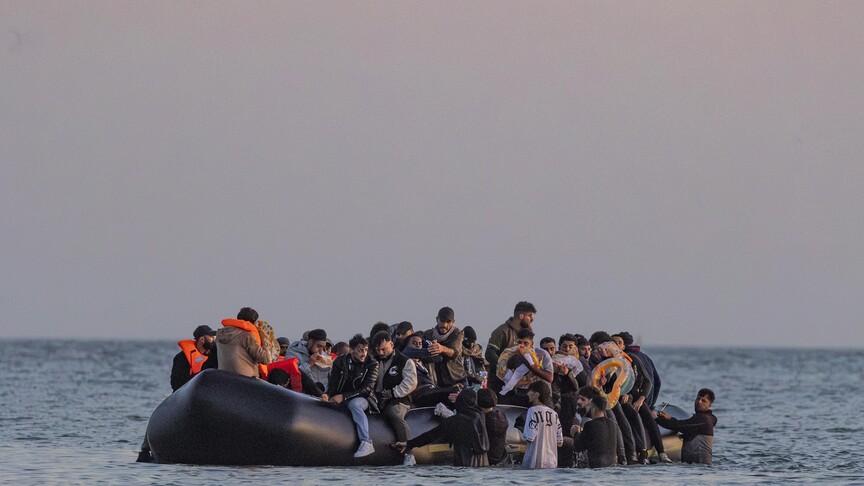
Anadolu Ajansı reported that the deal would involve France deploying millions of pounds worth of drones, two helicopters, and a camera system, and said Mahmood was due to sign the three-year agreement with France on Thursday. GB News described a related enforcement buildout in Northern France, saying “Almost 1,100 law enforcement, intelligence and military officers will be deployed to crack down” on crossings, and that an intelligence and judicial unit would triple in size “from 18 to 30 specialists.”
Political and Human Reactions
The deal’s announcement triggered sharply different reactions from political figures and advocacy groups, with supporters emphasizing border control and deterrence while critics argued the approach would escalate harm.
BBC News quoted Home Secretary Shabana Mahmood saying, “Our work with the French has stopped tens of thousands of illegal migrants boarding boats headed to Britain,” and adding, “But we must do more. This landmark deal will stop illegal migrants making the perilous journey and put people smugglers behind bars.”
The Guardian reported that Prime Minister Keir Starmer said, “Our work with the French has already stopped tens of thousands of crossings and this government has deported or returned nearly 60,000 people with no right to be here,” and framed the agreement as “This historic agreement means we can go further: ramping up intelligence, surveillance and boots on the ground to protect Britain’s borders.”
On the opposition side, BBC News said the Conservatives accused the government of handing over “half a billion pounds of our money with no conditions at all,” while Reform UK accused the government of giving France more money “for a system that has already failed.”
The Guardian provided additional detail from Conservatives and Reform, including Chris Philp’s claim that “France only prevented a third of embarkations last year and even let those illegal immigrants go to try again,” and Reform UK’s Shadow Home Secretary Zia Yusuf calling the deal “astonishing” and “an abhorrent misuse of taxpayers' hard-earned money.”
Freedom from Torture’s Sile Reynolds said it was a “deeply alarming” escalation and warned, “Now, we will be paying for police boots and batons to be wielded indiscriminately against men, women and children on the beaches of northern France for the crime of seeking safety.”
The Refugee Council’s Imran Hussain argued that “By focusing on policing the Channel, the government is treating the symptom not the cause,” and said, “Policing alone will not prevent desperate people from turning to dangerous small boats in the first place.”
Crossings, Numbers, and Timing
The deal is being framed against a backdrop of high Channel crossing numbers and ongoing political pressure, with multiple outlets citing the same 2025 arrival figure and describing 2026 as volatile. BBC News said crossings increased over the past three years, with 41,472 people arriving in the UK by small boat in 2025, and it reported that on Saturday 602 migrants arrived in Dover on nine boats, bringing the total number of arrivals so far in 2026 to more than 6,000. Anadolu Ajansı similarly said more than 600 people crossed the English Channel via small boats on Saturday, and that so far more than 6,000 migrants had crossed the Channel to reach the UK this year, while noting the UK reported 41,472 migrants navigated the English Channel in small boats last year, nearly 5,000 more than in 2024.
RFI and DW both cited the 41,472 figure for 2025 and said at least 29 migrants died at sea in the Channel in 2025, with RFI attributing the count to AFP based on official French and British sources. The New Arab added that “41,472 people reached the UK irregularly in small boats in 2025” and said “At least 29 migrants died at sea in the Channel in 2025,” again citing an AFP tally based on official French and British sources.
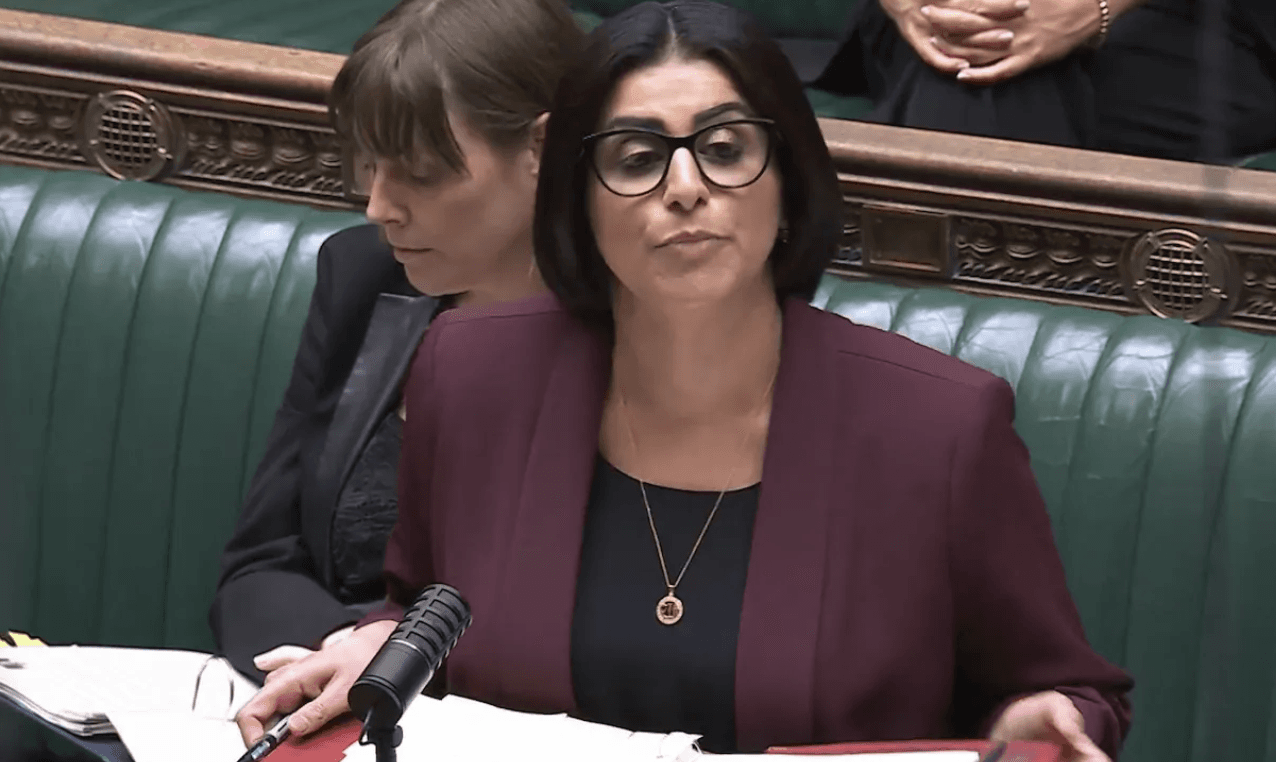
The Guardian also referenced deaths and the broader context, noting that earlier this month “a Sudanese man was charged over the deaths of four migrants who drowned after being swept away by strong currents while trying to cross the Channel.” Several reports also described the seasonal timing of the enforcement buildout, with the New Arab saying “A large share of the resources planned under this partnership will be concentrated from the start of the summer and throughout the summer period,” and with GB News saying the deal came ahead of “the busiest time of year for small boat crossings.”
What Happens Next
The agreement’s future hinges on whether the conditional funding is paid and on how the UK and France measure “sufficient results” through joint annual assessment, according to the roadmap language cited by multiple outlets. RFI quoted the French Interior Ministry roadmap saying that if the new measures do not deliver “sufficient results, based on a joint annual assessment, the funding will be redirected to new actions,” and it also described that even if the conditional portion is not paid, the UK’s core contribution of €580 million remains. DW similarly said almost a quarter of the money would be paid only if the measures prove effective, and it described the expected sign-off by Shabana Mahmood and Laurent Nunez in France on Thursday.
BBC News said for the first time ministers stated around £100m could be redirected or withdrawn after a year if not enough journeys are stopped, while also emphasizing that the UK government had not confirmed what targets the French would have to meet to keep the money. The Guardian added that the deal includes a payment-by-results scheme for the £160m trial tranche, stating that in the first year the UK will spend £50m and that if the initial investment does not make an impact the government will withhold the remaining £110m in years two and three.
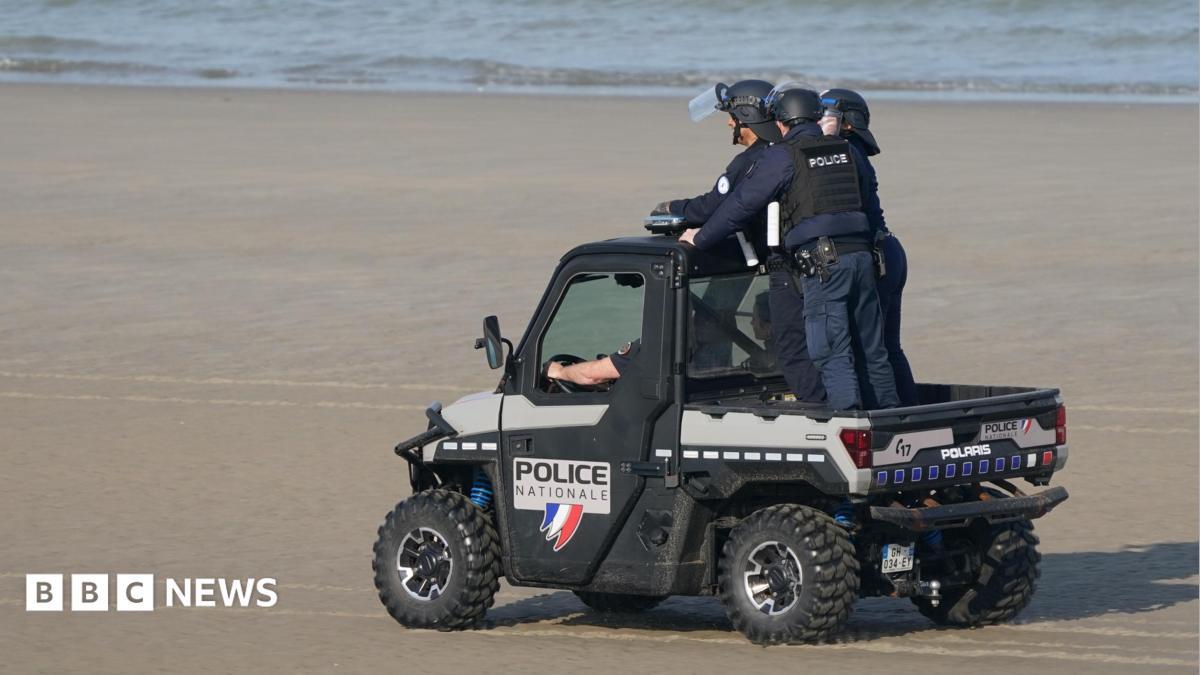
On the operational side, BBC said the Home Office expects the number of officers sent to curb attempted journeys from northern France to Britain will rise by about 42% when the new agreement comes into force in the summer, and it described that France will supply a new vessel and more than 20 additional maritime officers to target “taxi boats.” GB News described additional enforcement elements including drones, two helicopters, and a new camera surveillance system, and it said “If the new tactics are not successful, funding will stop after one year.”