Ukraine War06 January, 20262 min read
UK and France Pledge to Deploy Troops Across Ukraine If Peace Deal Signed
This article is an automated aggregation of coverage from news outlets. Our editorials offer in-depth analysis curated by the NewsCord team.
UK and France commit to deploy troops in Ukraine if a ceasefire is agreed UK and France will establish military hubs across Ukraine to facilitate operations

14 outlets told this the same way.
Outlets did split on Russian Attack Kills At Least 33 On Two Buses In Kramatorsk →
Post-ceasefire security plan
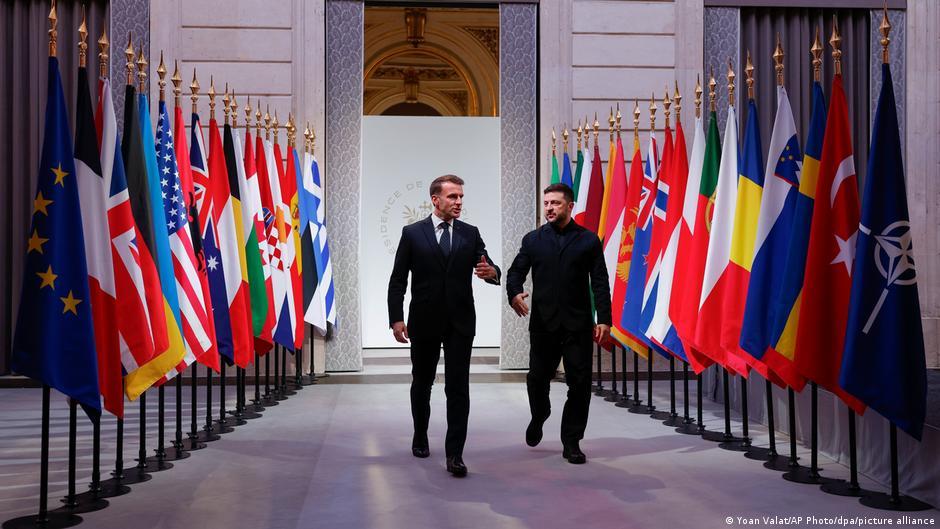
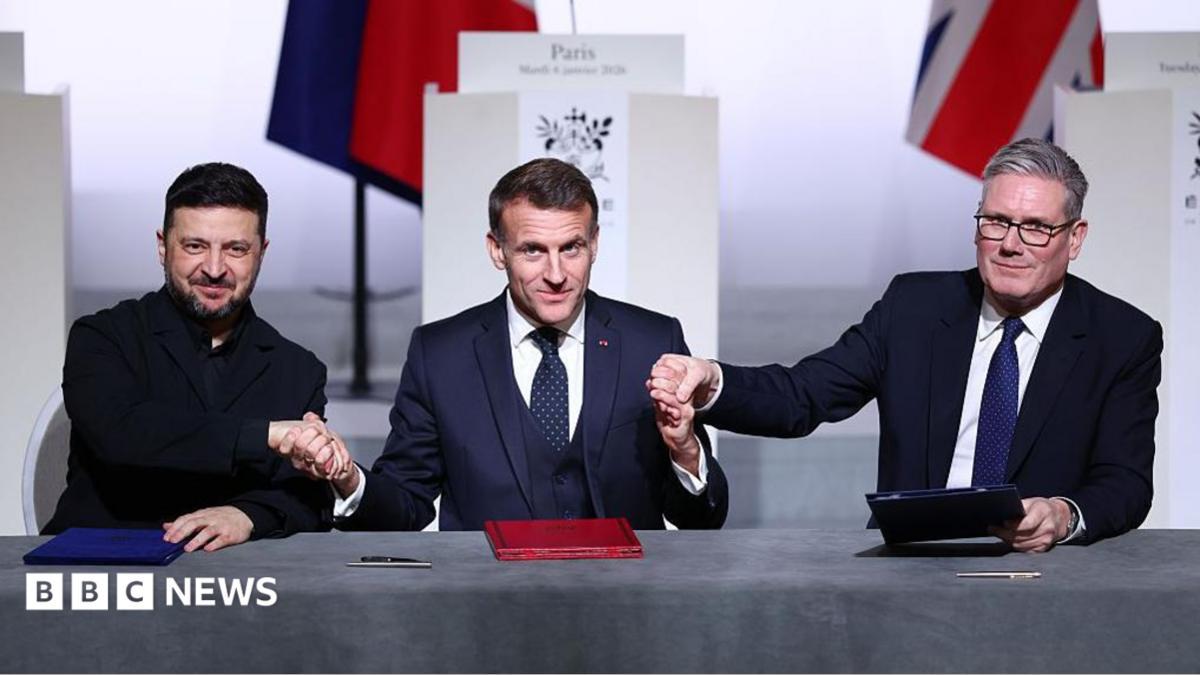
Leaders from a roughly 35-country 'Coalition of the Willing' met in Paris and signed a declaration of intent that would allow UK and French forces to deploy on Ukrainian soil if a credible ceasefire or peace deal is reached. They also agreed to set up post-ceasefire military hubs and protected facilities to store equipment and help secure Ukraine's skies and seas.
“Leaders from a 35‑country ‘coalition of the willing’ met in Paris and issued a Declaration of Paris outlining stepped‑up security guarantees for Ukraine that would take effect if a ceasefire is reached.”
French president Emmanuel Macron called the statement 'legally and politically binding'. UK leader Sir Keir Starmer and Ukrainian president Volodymyr Zelensky publicly backed the move, which organisers say aims to provide reassurance and rebuild Ukraine's defence capabilities after hostilities end.
Post-ceasefire security plan
The declaration envisages French and British forces establishing "military hubs" and protected facilities across Ukraine to store weapons and equipment. These hubs would also provide coordination and help secure seas and skies after a ceasefire. Downing Street said a legal framework will be created to enable those forces to operate.
The United States is reported to be set to lead a ceasefire monitoring and verification mechanism and to provide security guarantees for the multinational force. Coalition members reaffirmed ongoing arms and tactical support to Ukraine.
US role in ceasefire talks
Reports portray the United States as the principal organiser of monitoring and guarantees. US envoys said security protocols are nearly finished and that Washington will lead the ceasefire monitoring and verification mechanism. Several outlets described US backing as decisive.
“In Paris on Tuesday, high-level talks on the nearly four-year war produced U.S. promises of new ‘security protocols’ to deter and defend Ukraine against future Russian attacks, and commitments from the U.K. and France to deploy troops if a peace deal is finalized.”
US representatives on the delegation, including special envoy Steve Witkoff and Jared Kushner, called the meeting a milestone and said the US stood behind the package. At least one report noted negotiators were also close to a 'robust' prosperity agreement to support post-conflict Ukraine.
Unresolved security plan issues
Multiple outlets stress significant unresolved questions despite public declarations and political endorsements. The thorny issue of territory remains open, and the detailed backstop guaranteeing a direct U.S. military response to future attacks has not been fully defined.
Several countries have signalled limits or refusals on troop deployments, leaving the plan conditional on further negotiation and legal arrangements. Russia has signalled it would likely oppose foreign troops on Ukrainian soil, which the BBC says Moscow would view as a legitimate target.
Reactions to Paris pact
Keir Starmer said the plan depends on Vladimir Putin being willing to compromise and warned that Russia is not currently showing that willingness. Volodymyr Zelensky welcomed the move as evidence of Euro-Atlantic unity and said the deal was near completion.
“Starmer said peace depends on Vladimir Putin being willing to compromise and warned Russia is not currently showing that willingness; he also pledged continued pressure on Russia, including measures against oil tankers and shadow‑fleet operators.”
Observers flagged items to watch next, including legal frameworks for foreign forces, the exact nature of US security guarantees, and how many and which countries will participate on the ground. They also highlighted Russia's response as a key factor that will determine whether the Paris declaration moves from intent to enforceable reality.