Ukraine War04 December, 20252 min read
UK and Norway Launch Joint Warship Fleet to Hunt Russian Submarines in North Atlantic
This article is an automated aggregation of coverage from news outlets. Our editorials offer in-depth analysis curated by the NewsCord team.
UK and Norwegian navies will operate a combined North Atlantic warship fleet hunting Russian submarines Pact requires defending critical undersea infrastructure, especially transatlantic communications cables
15 outlets told this the same way.
Outlets did split on Russian Attack Kills At Least 33 On Two Buses In Kramatorsk →
UK and Norway naval pact
On Dec. 4, the UK and Norway announced the Lunna House Agreement to create an interoperable North Atlantic naval force tasked with hunting Russian submarines and protecting critical undersea communications and energy infrastructure.
“The UK and Norway have signed a first-of-its-kind defence pact, the Lunna House Agreement, to operate a combined North Atlantic fleet to hunt Russian submarines and protect critical UK infrastructure.”
The pact establishes a joint anti-submarine fleet of at least 13 Type-26 frigates—eight British and at least five Norwegian—that will operate across the Greenland–Iceland–UK (GIUK) gap.
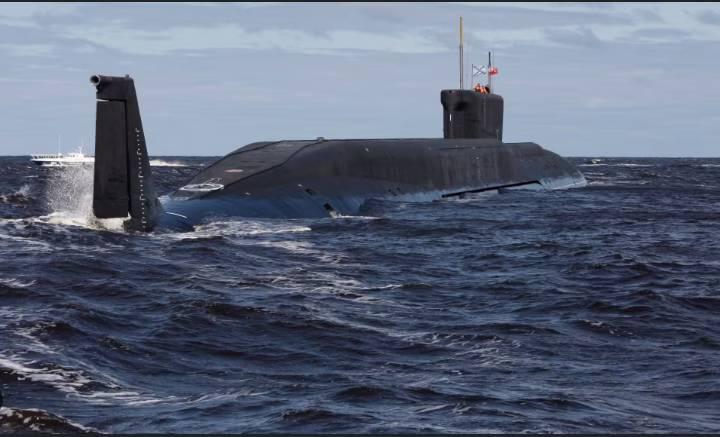
It was presented as a response to a reported roughly 30% rise in Russian ship activity near UK waters over two years.
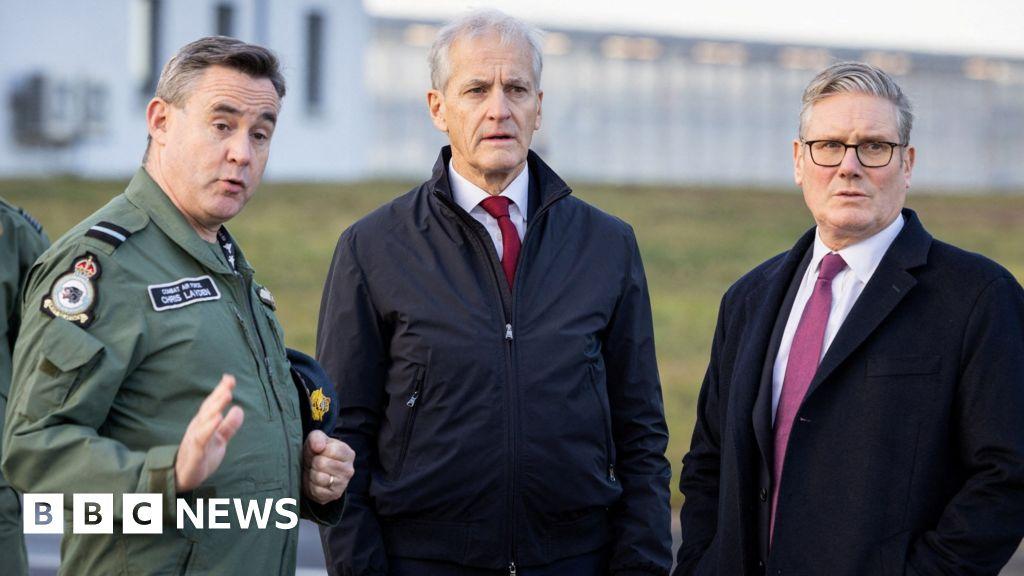
Senior defence officials signed and showcased the agreement during visits to RAF Lossiemouth and Downing Street, as leaders from both countries underlined closer NATO integration.
UK-Norway naval pact
Operationally, the pact binds the two navies to share maintenance, technology and training so the fleet can operate as an integrated force. It includes closer cooperation on Type-26 anti-submarine frigates and participation in Norway's programme to develop motherships for uncrewed mine-hunting and undersea systems.
It also covers expanded use of UK Sting Ray torpedoes and adoption of Norwegian naval strike missiles with reported ranges over 100 miles. The agreement emphasises joint wargaming, Arctic training for Royal Marines, and the planned wider use of autonomous systems in the 'High North'.
Response to Russian naval activity
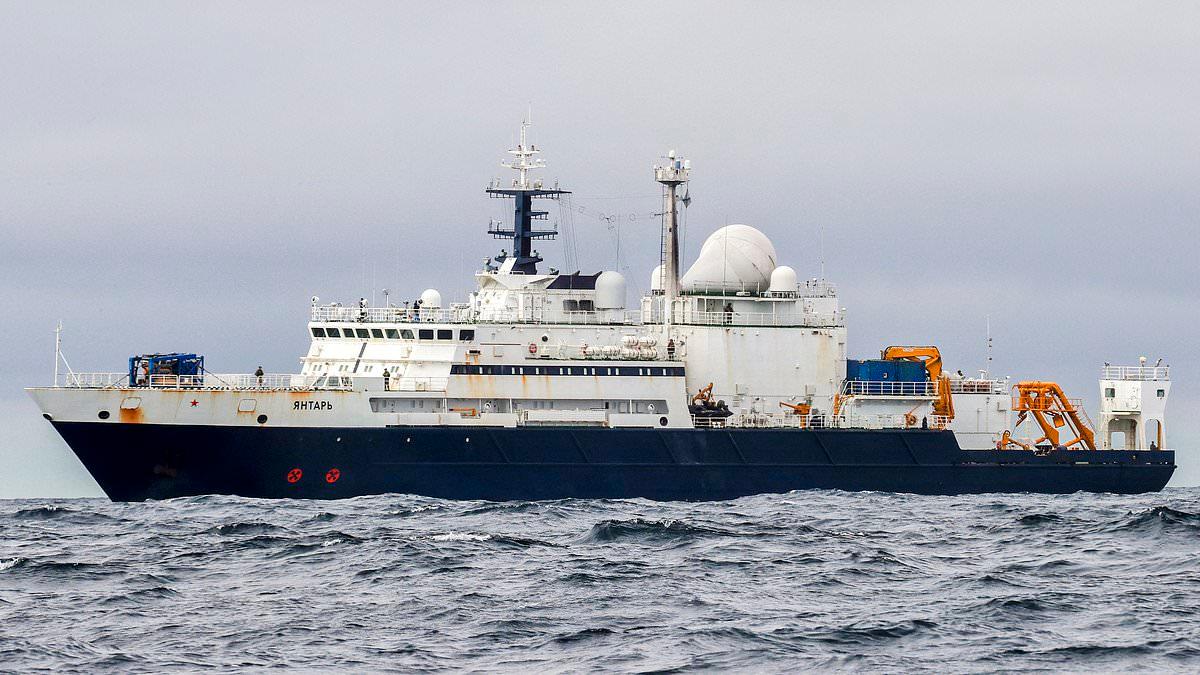
The agreement is explicitly framed as a response to heightened Russian naval activity. British officials cite a roughly 30% rise in sightings of Russian vessels in UK waters over two years and point to incidents involving the intelligence and research ship Yantar.
“The arrangement follows a reported 30% rise in Russian vessels threatening UK waters over two years and builds on 75 years of UK–Norway cooperation.”
Coverage notes that British P-8 crews have tracked Russian vessels and officials warn attacks on undersea cables and pipelines could cause 'catastrophic disruption'. Some outlets also report accusations that Moscow has engaged in a hybrid campaign, including suspected sabotage of undersea telecom and power cables and reported laser incidents directed at RAF pilots.
UK–Norway defence deal
Political and economic dimensions feature prominently in coverage. The ship programme backing the fleet is repeatedly linked to a September £10 billion sale of Type 26 frigates, promoted as supporting more than 4,000 UK shipbuilding jobs and boosting British exports.
Leaders said the pact strengthens NATO’s northern flank and bilateral integration. Prime Minister Keir Starmer and Norway’s Jonas Gahr Støre publicly presented the deal during visits to northern Scotland and Downing Street, noting the pact reassures allies and showcases industrial benefits at home.
NATO and Arctic cooperation
Coverage highlights next steps and NATO implications. Partners will push NATO adoption of autonomous systems in the High North, formalise ministerial arrangements in London, and continue joint exercises and Arctic training.
“The Royal Navy and Royal Norwegian Navy will operate as a single force to track Russian submarines and protect critical undersea infrastructure, concentrating patrols — aided by autonomous systems — across key routes and the strategic Greenland–Iceland–UK (GIUK) gap.”
Reports stress that the integrated fleet model includes shared maintenance and logistics to allow rapid interchangeability of ships and crews. The pact is presented as part of a broader push to deepen European security ties following other UK agreements with Germany and France.