Britain13 November, 20252 min read
UK Government Orders Great British Energy-Nuclear to Build Three Small Modular Reactors at Wylfa
This article is an automated aggregation of coverage from news outlets. Our editorials offer in-depth analysis curated by the NewsCord team.
Wylfa on Anglesey chosen to host the UK's first small modular reactors Publicly‑owned Great British Energy‑Nuclear will build three SMRs, with Rolls‑Royce SMR as likely supplier
14 outlets told this the same way.
Outlets did split on UK Police Charge Teddy Young With Spying For Foreign Power, Royal Navy Member →
Wylfa SMR project details
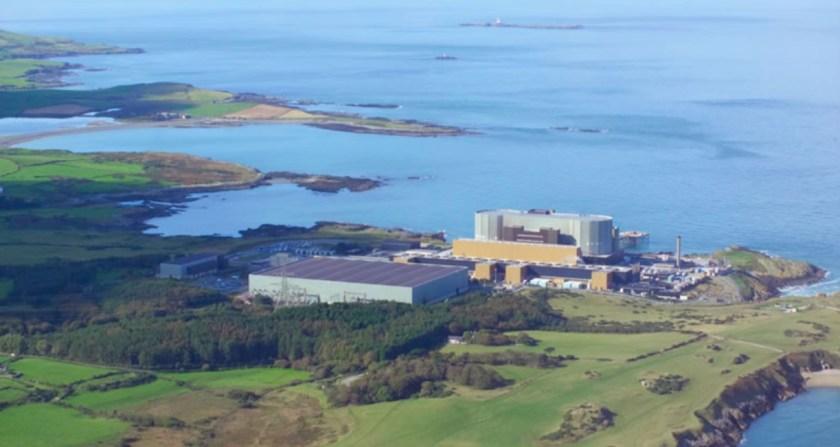
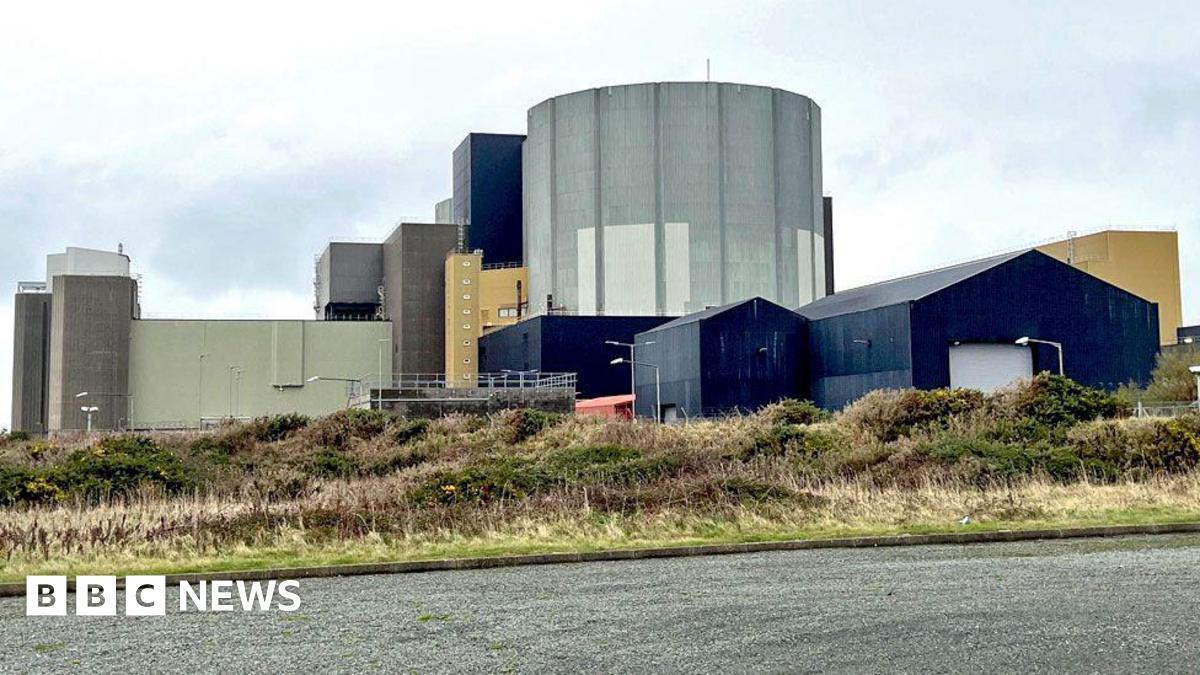
The UK government has announced that publicly owned Great British Energy–Nuclear (GBE‑N) will build the country’s first small modular reactor (SMR) power station at Wylfa on Anglesey, with Rolls‑Royce named as the preferred designer subject to final contracts. The plan initially comprises three SMR units, with scope to expand the site to as many as eight modules.
“The government has announced that publicly owned Great British Energy-Nuclear will build three small modular reactors (SMRs) at Wylfa, with Rolls‑Royce named as the supplier subject to a final contract. Work on site is due to begin in 2026, with the first units expected to supply power to the grid in the mid-2030s; the initial plan is for three reactors on a site that could eventually host up to eight. The £2.5bn project is forecast to support as many as 3,000 construction jobs at peak.”
Work is due to begin on site in 2026 and the first units are targeted to supply power to the grid in the mid‑2030s. The project is backed by a £2.5bn UK government investment and is described as capable of supporting up to around 3,000 peak construction jobs and supplying power for roughly three million homes.
Wylfa project plans
Government and industry spokespeople frame the Wylfa decision as a strategic move to boost energy security, revive the local nuclear legacy and create a fleet-based approach to factory-built reactors. Ministers have signalled plans to cut red tape and change planning rules to speed delivery, while Great British Energy-Nuclear and Rolls-Royce executives described the scheme as the start of a long-term, factory-led commitment to energy independence and local investment. Industry figures emphasised the potential for training, jobs and lower local construction impacts through modular approaches.
Anglesey economic impact
Local and regional impacts are central to multiple accounts. The decision is portrayed as a boost for Anglesey, reviving Wylfa’s nuclear heritage, supporting the Anglesey Freeport and linked investment zones, and promising local jobs and training.
“The publicly owned Great British Energy–Nuclear (GBE‑N) will lead the project, backed by £2.5 billion of government investment, with site activity due to begin in 2026 and generation hoped to start in the mid‑2030s. Officials say the scheme could support up to 3,000 local construction jobs, create export opportunities, and potentially revive other sites such as Oldbury.”
Reports estimate the SMR plant could support up to 3,000 construction roles at peak and attract billions in infrastructure investment through the mid-2030s. Some local sources and politicians, however, insist on guarantees for community benefits and clear timetables given previous failed revival attempts.
Reactions and technical caveats
Not all coverage is uniformly celebratory: international reaction and technical caveats appear across sources. The US ambassador said he was 'extremely disappointed' that US firm Westinghouse’s gigawatt-scale proposal was not chosen and argued there are cheaper, faster and already approved options.
Mainstream outlets such as New Civil Engineer highlight that final contracts, regulatory approvals, and first-of-a-kind costs and timetables remain unresolved. This mix of diplomatic friction and procedural uncertainty tempers purely promotional narratives.

Political and community reactions
Political reactions vary: national leaders and Welsh ministers welcomed the decision as a boost for jobs and energy security. Energy Secretary Ed Miliband called it an "exciting" step, while local politicians and community groups urged clear timelines and benefits after earlier failed attempts to revive Wylfa.
“Prime Minister Sir Keir Starmer and Welsh First Minister Eluned Morgan welcomed the move as a long-awaited boost for the area, and Energy Secretary Ed Miliband called it an ‘exciting’ step in the race for new reactors.”
Several outlets underlined export potential and the programme's role in broader nuclear commitments (Sizewell C, Hinkley Point). Some local reporting noted opposition to new nuclear in parts of the community.